The affected healthcare centers and the magnitude of the problem
The medication was used in at least a dozen healthcare institutions, including Hospital Italiano de La Plata, Hospital José María Cullen, and Hospital de Emergencias Dr. Clemente Álvarez (Santa Fe), Hospital Italiano de Rosario, Sanatorio Italiano Centro, Instituto Cardiovascular de Rosario, and Sanatorio Dupuytren (CABA), among others.
Additionally, patients who had been discharged were infected in facilities such as Hospital Interzonal Alejandro Korn and Hospital Simplemente Evita in Buenos Aires province.
The data has been incorporated into the Argentine Health Information System (SISA), which centralizes epidemiological information nationwide.
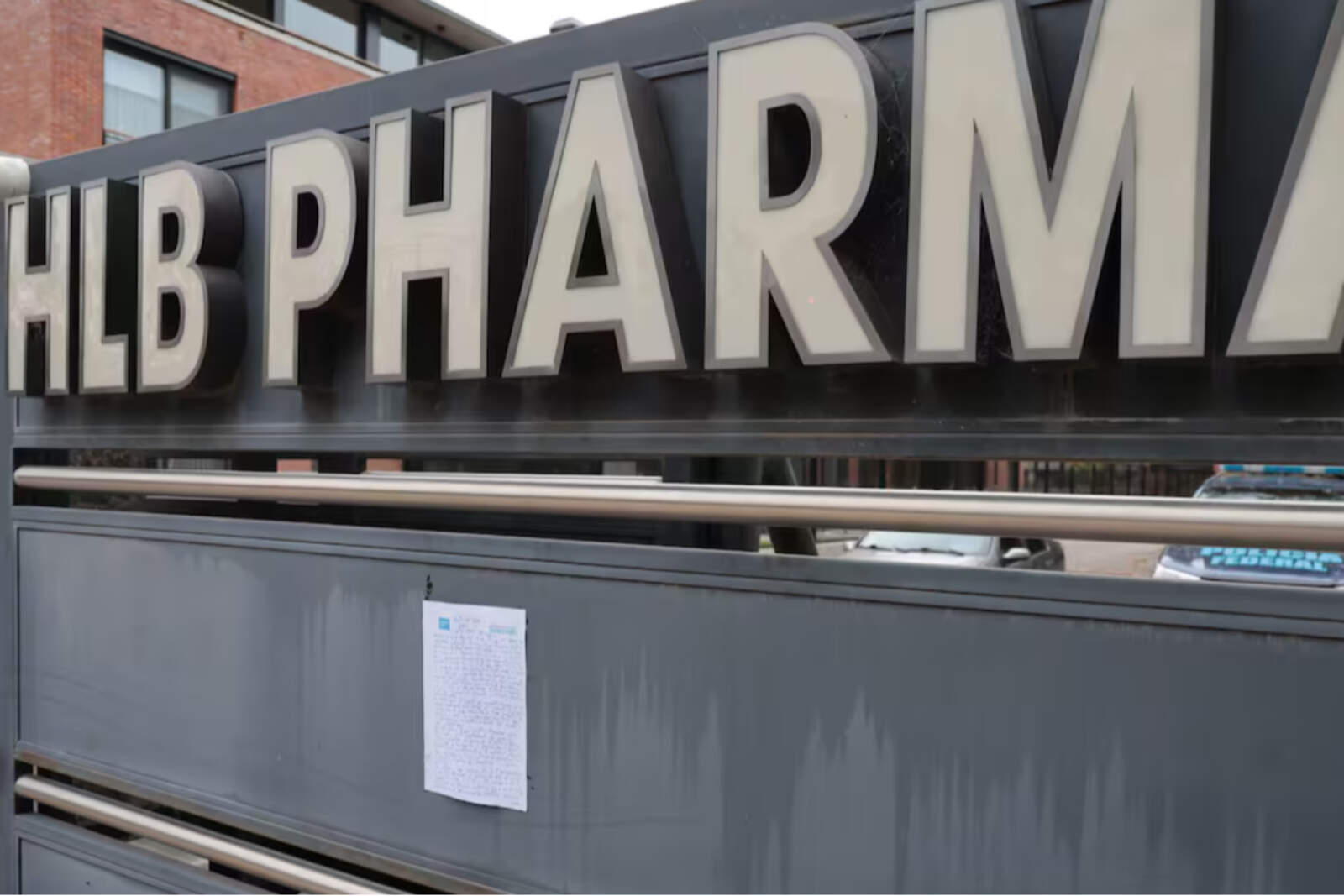
HLB Pharma, Ramallo, and Droguería Alfarma: a chain of responsibilities
ANMAT has also provisionally suspended the authorization of Droguería Alfarma S.R.L., a company linked to García Furfaro, due to serious deficiencies at its Rosario plant. Among the detected irregularities, a critical discrepancy was found between the computer records and the documentation for batch 31202, with more than 64,000 units distributed, many of them destined for public agencies such as the Río Negro Health Council.
Provision 3989/2025, published in the Official Gazette, details the failures in Good Distribution Practices for medicines and adds weight to the hypothesis of a chain of negligence or even corporate malfeasance.
Unreported victim count?
Investigators do not rule out the existence of more deceased or affected individuals not officially recorded, since some institutions may not have linked the infectious cases to the use of contaminated fentanyl. The production and distribution volume of these batches means that hundreds of thousands of ampoules were in circulation.
For this reason, it is not ruled out that the final number of victims will far exceed the figure reported so far, which could make this case one of the most serious health crises in recent years in Argentina.
The health tragedy caused by the distribution of contaminated fentanyl in public and private healthcare centers in the country has already resulted in 47 confirmed fatalities and a total of 87 affected individuals, according to the latest official report from the National Ministry of Health, led by Mario Lugones.
The drug, an extremely potent synthetic opioid, was contaminated with Klebsiella pneumoniae MBL and Ralstonia pickettii bacteria, which led to severe infections and pneumonia outbreaks in patients. The investigation points to two specific batches (31202 and 31244) of the injectable product "Fentanilo HLB 0.05 mg/ml per 5 ml," produced by HLB Pharma Group S.A. and its exclusive manufacturer, Laboratorios Ramallo.
The judicial case: charges, requests for exemption, and restrictive measures
The investigation is being conducted by Federal Criminal Court No. 3 of La Plata, presided over by Kirchnerist judge Ernesto Kreplak, who has already issued a travel ban for the main executives of both pharmaceutical companies and is considering requests for exemption from imprisonment. At least 20 judicial officials are involved in the case, including three from La Plata.
The crimes are still in the process of legal classification, but judicial hypotheses already place the owners and technical directors of HLB Pharma and Laboratorios Ramallo at the center of the case, especially businessman Ariel Fernando García Furfaro, who had already been part of the Ministry of Health delegation that traveled to Russia during Alberto Fernández's administration to manage the distribution of the Sputnik V vaccine.
National fentanyl recall: how the seizure operation is progressing
By order of Judge Kreplak and in coordination with ANMAT, the mandatory recall of all batches of HLB Pharma fentanyl in circulation has begun. To date, nine provinces have already centralized their preventive storage deposits: Río Negro, Neuquén, Chaco, Catamarca, Salta, Formosa, Jujuy, La Pampa, Entre Ríos, Córdoba, and Tucumán. Buenos Aires and Santa Fe, the two most affected provinces, have also done so.
However, the formal response from Santa Cruz and the Autonomous City of Buenos Aires is still pending, as they have not reported whether or not they possess batches of the contaminated lot.
Suben a 47 los fallecidos por el fentanilo contaminado de HLB Pharma