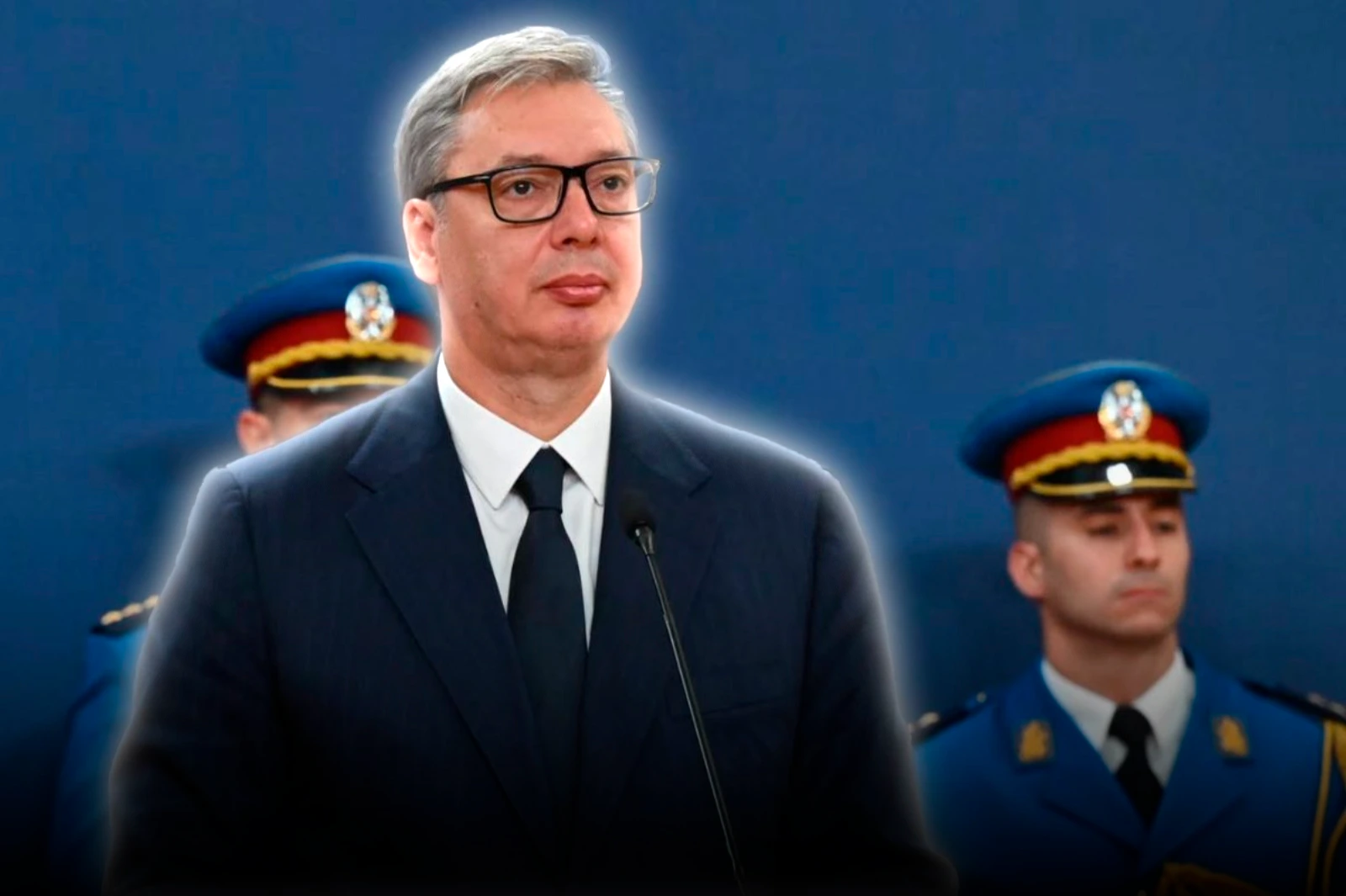









The upcoming elections will be particularly marked by the student-led protest movement, which has organized some of the largest mobilizations recorded in Serbia in decades over the past few months. The protesters have used the discontent generated by the railway accident to demand accountability, greater transparency, and changes in political leadership.
So far, the student movement has not defined whether it will support a specific candidate or if it will associate with any political bloc to compete in the elections. Its decision could be decisive for the electoral scenario, given the volume of support that the mobilizations have managed to gather.
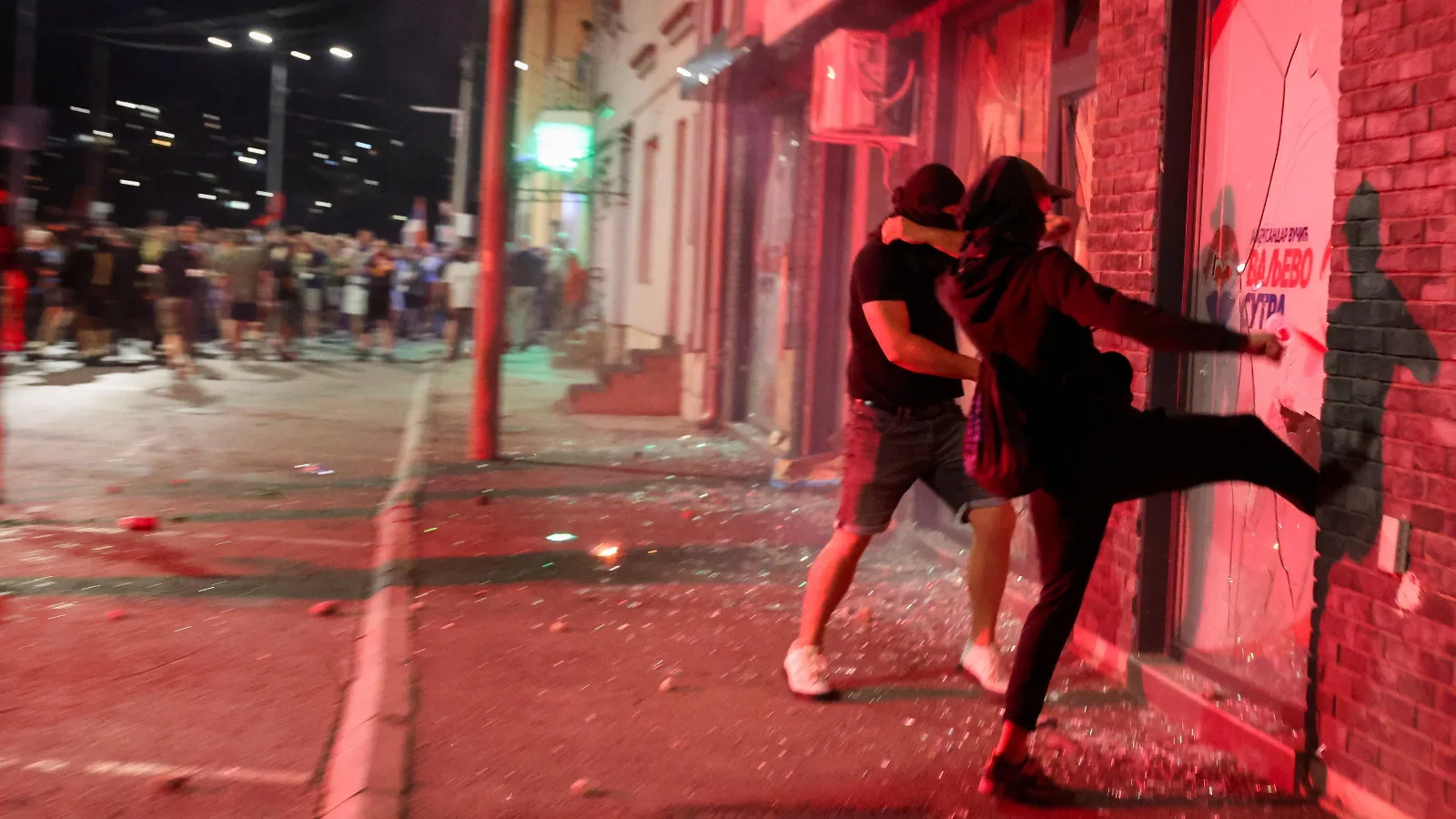
The early election will also be a test to measure the support that Vucic retains after almost two years of anti-government protests.
The outcome could determine whether Vucic manages to maintain his dominance over Serbian institutions or if the pressure accumulated during the protests finally translates into political change. For the president, the elections offer the opportunity to renew his legitimacy through the ballot box; for his critics, they represent a test of the state of Serbian democracy after years of increasing concentration of power.