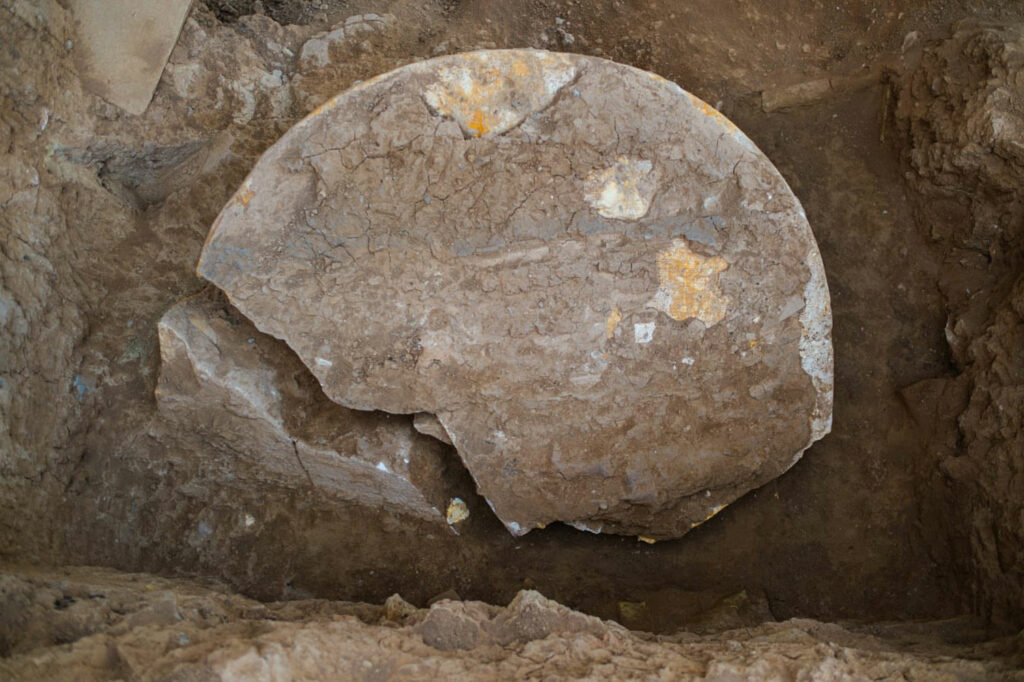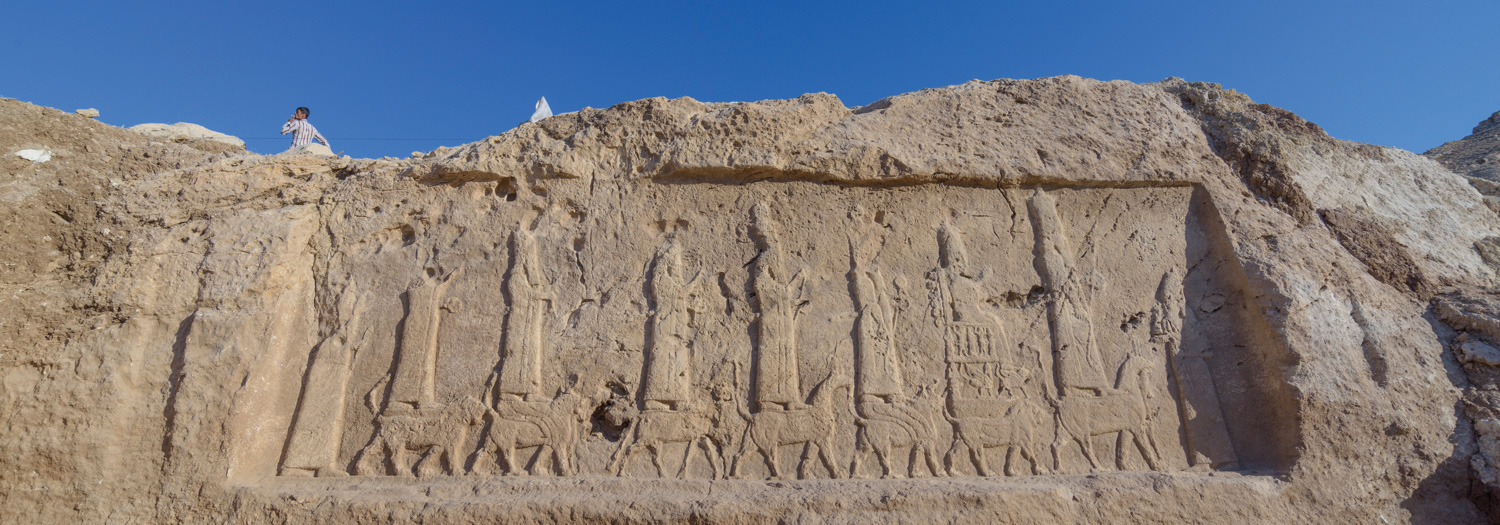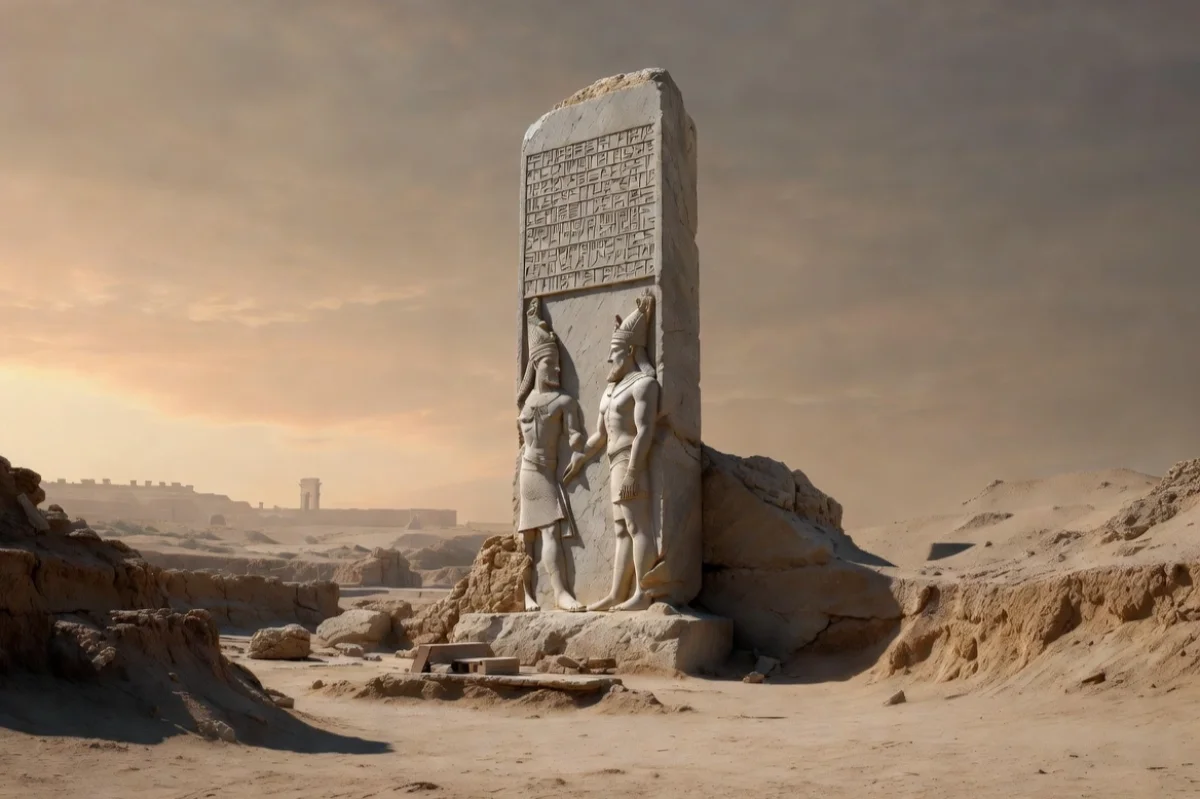

Near Mosul, in northern Iraq, a team of Iraqi archaeologists along with specialists from the University of Chicago discovered an impressive marble stele that exceeds two meters in height. The finding occurred near the Sun Gate, on the eastern wall of the ancient city of Nineveh.
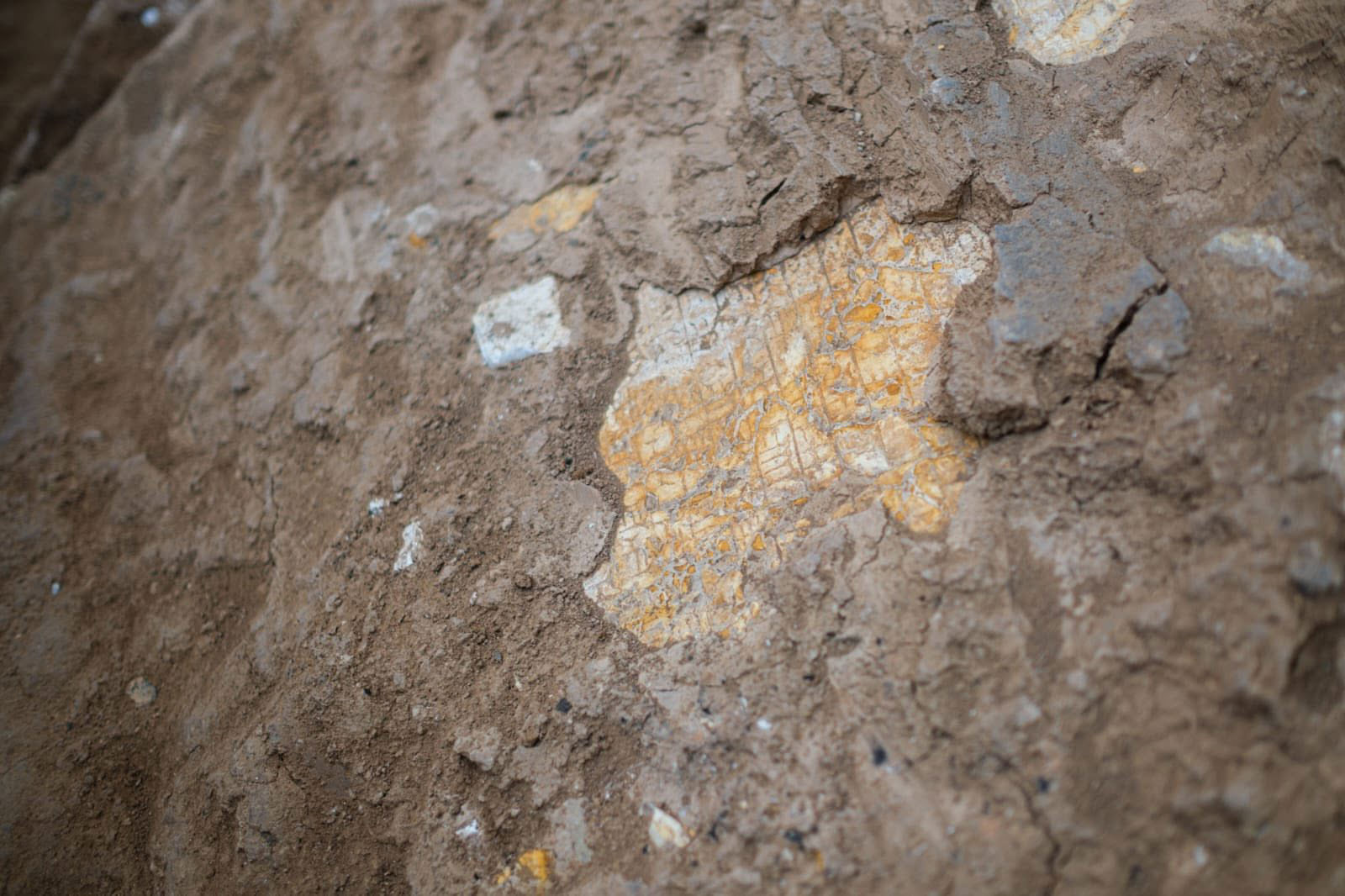
According to Ali Obaid Shalgham from the Iraqi State Board of Antiquities, the piece dates back to the 7th century BC, from the final years of the Assyrian Empire. Although the text in cuneiform script has not yet been fully translated, it is believed to record construction projects initiated by King Ashurbanipal, who ruled from 668 to 631 BC.
The front of the monument features a relief representation of Ashurbanipal himself, while the back shows figures of two other Assyrian kings. These types of steles were commonly used to commemorate achievements and document royal power in antiquity.
The discovery provides new information about one of the most important periods in Mesopotamian history, just before the definitive fall of the empire.
Historical Context of Nineveh
Nineveh was one of the grandest capitals of the ancient world. In 612 BC, the city was invaded and looted by a coalition of Medes and Babylonians, marking the end of Assyrian dominance in the region. The finding of this stele allows for a better understanding of what life and royal propaganda were like in the decades leading up to that defeat.
Excavation work at the site continues and promises to reveal more details about the architecture and customs of that era. Experts highlight the good preservation of the marble despite the passage of centuries and the conditions of the terrain.