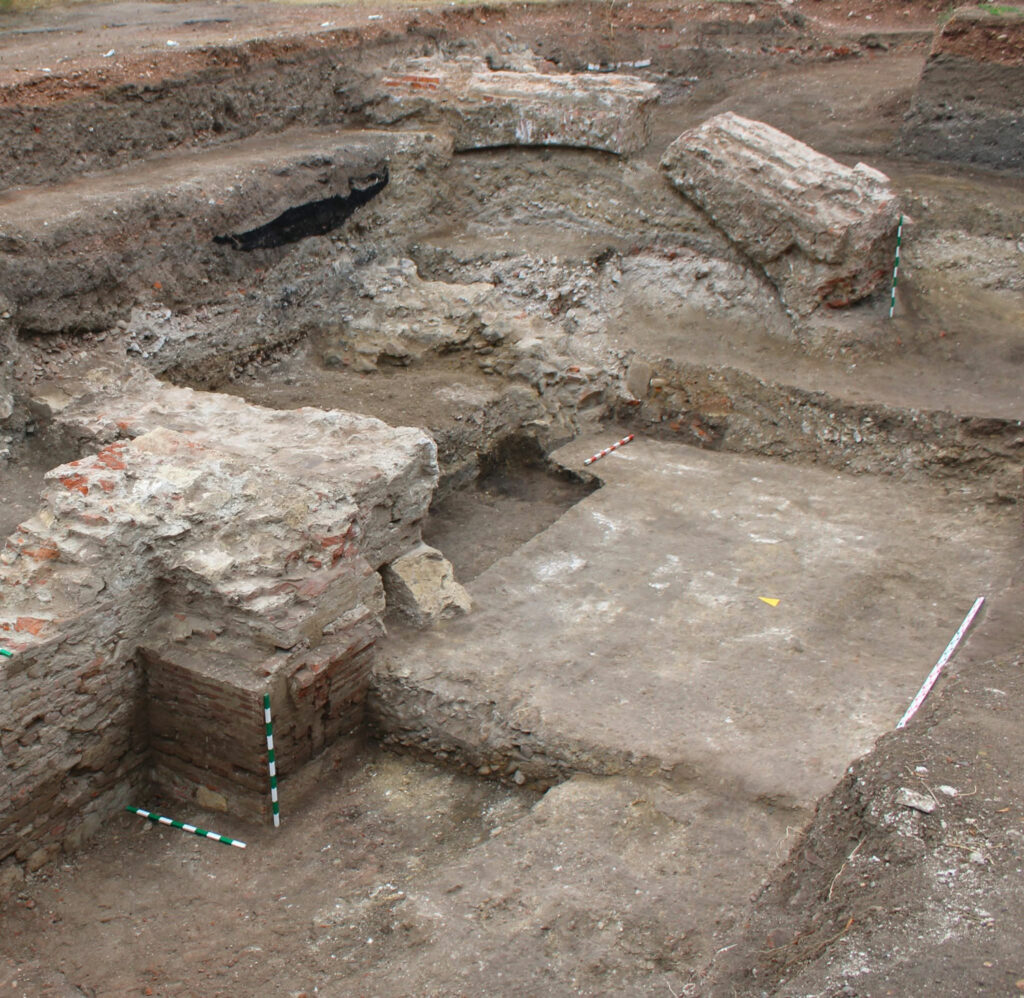

Recent excavations at the Alba Carolina fortress in central Romania uncovered traces of the main gate built by the Romans on the eastern side of the Apulum military camp. The finding confirms the scale of this Roman installation and provides new data about its original structure.
The Apulum camp was one of the most important military centers in the province of Dacia. About forty years ago, the southern gate was located, which was partially reconstructed. Now the focus has shifted to the eastern access, considered the main one due to its monumental character.
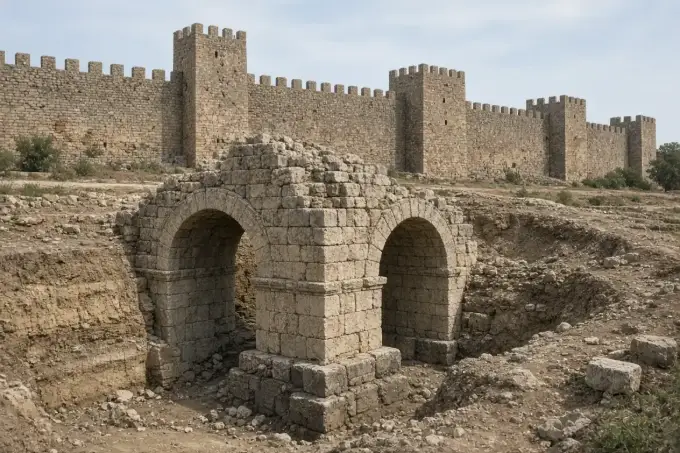
According to archaeologist Anca Timofan, the gate featured two large rectangular towers and two access arches separated by a wall. The entire structure was built with large limestone blocks. During the work, the foundation of one of those towers was discovered.
The size of the blocks and the arrangement of the elements indicate that it was an imposing entrance, designed for both military control and to project Roman power in the region. The quality of the materials reinforces the idea of a significant work within the defensive system of the camp.
Medieval Reuse of Roman Structures
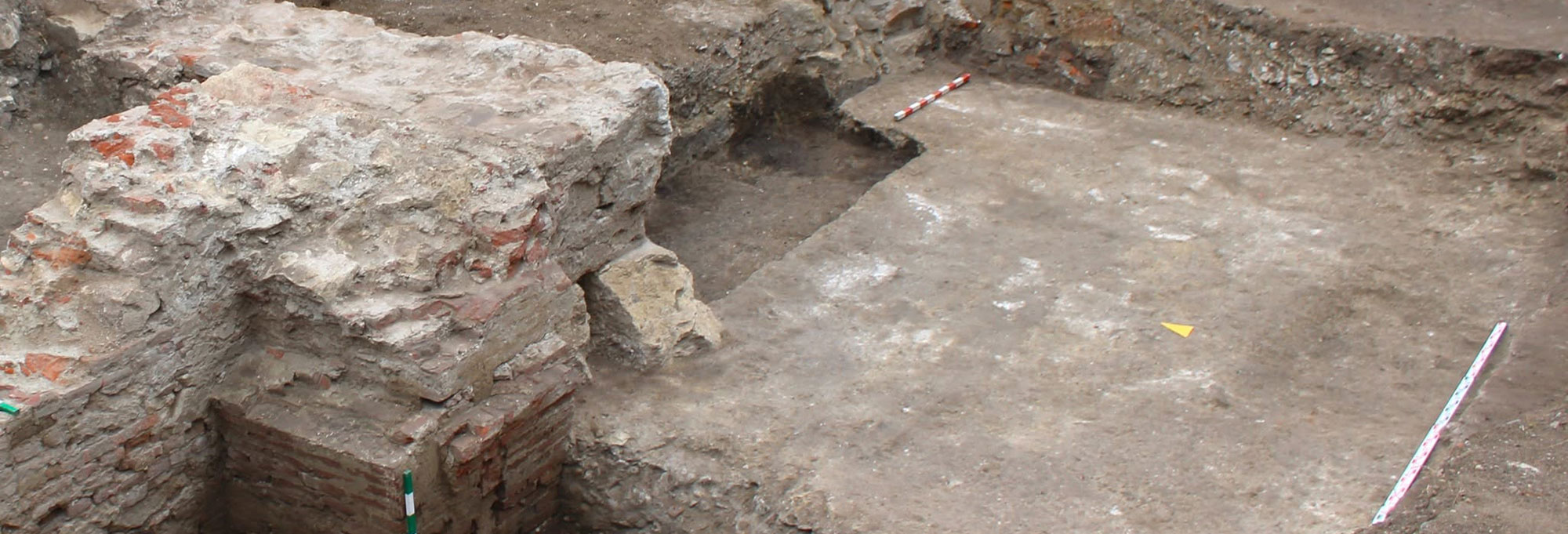
Over the centuries, Roman constructions were not left abandoned. In the medieval period, they were repurposed to build the St. George gate of the fortress. This overlap of construction phases is particularly interesting for researchers.
Timofan emphasized that the overlap is even more spectacular because the Roman origin of the medieval gate had already been noted by foreign travelers in the 17th century. Their accounts now coincide with the material evidence recovered on site.