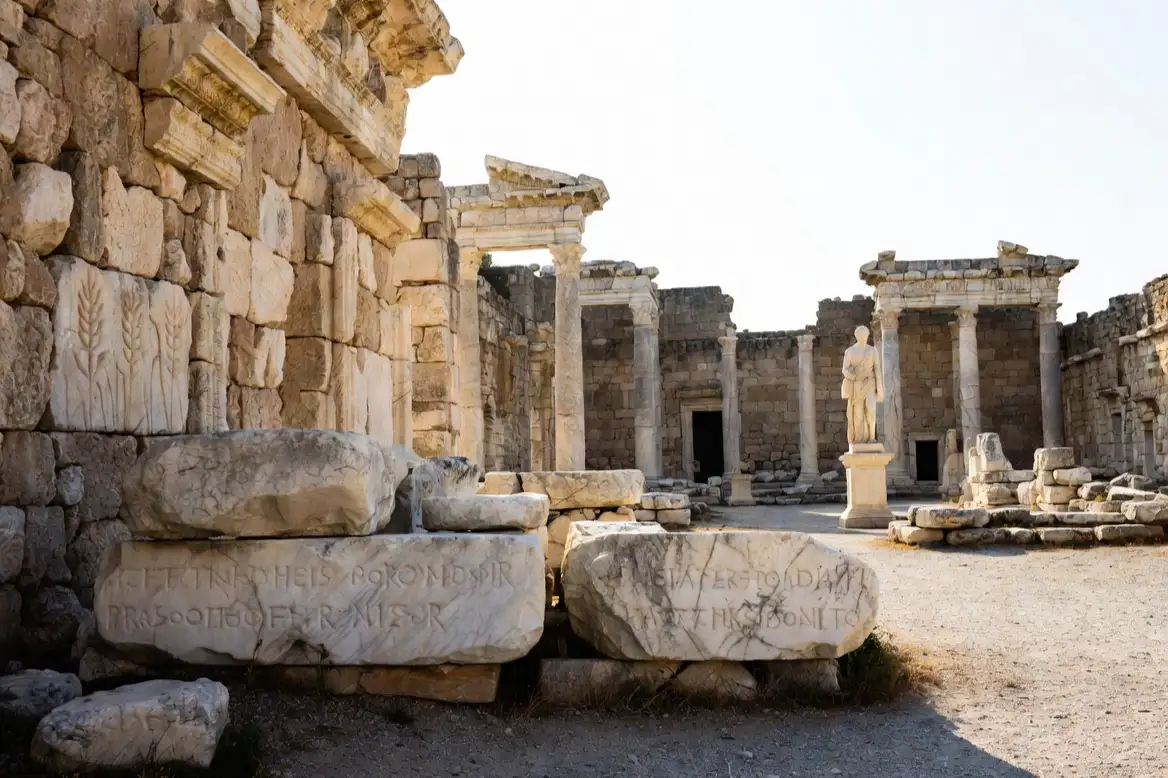
In the Banaz area, in western Turkey, nine inscriptions have been found that shed light on the history of the ancient Phrygian city of Acmonia. These findings, reported by La Brújula Verde, provide fresh data on the religious and social life in the region during the Roman period.
One of the inscriptions mentions Demades, son of Dionysogenes, who commissioned a statue of a torchbearer, known as lampadephoros. This priest, already known to specialists thanks to a previous inscription from the year 68 AD, would have installed the figure to illuminate the main street of the city and benefit its inhabitants.
This type of contribution highlighted the role of priests in urban beautification and collective well-being.
Devotion to Goddesses and Festivals
Another inscription reveals that the priest Hierocles, son of Menander, along with his son Hermogenes, erected a statue of Demeter Karpophoros, a goddess associated with fertility and harvests. As explained by Hüseyin Uzunoğlu from Akdeniz University, this is the first time this cult has been identified in the Phrygian region.
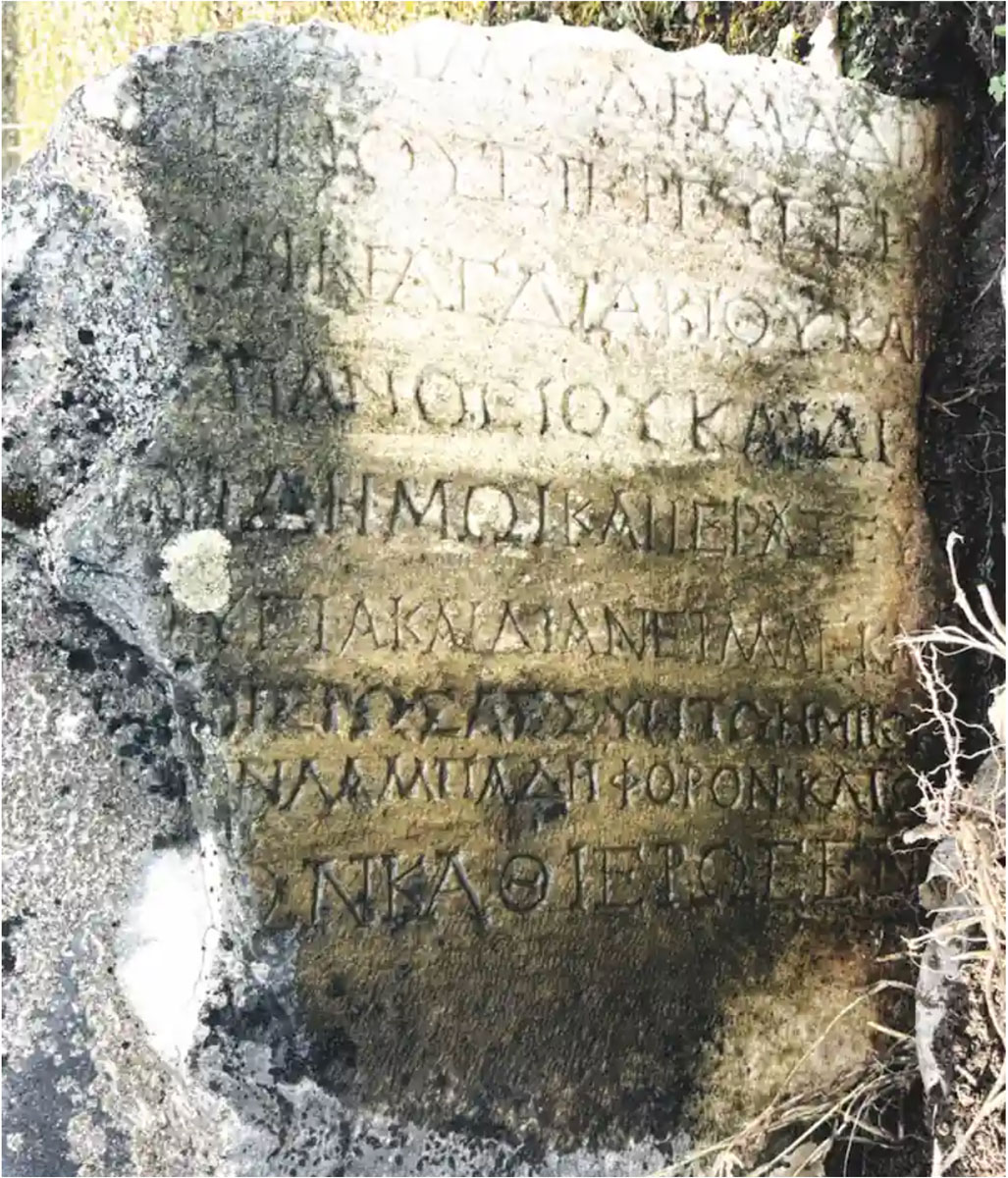
Additionally, Hierocles sponsored and organized games in honor of Asclepius, the god of medicine. These details show the importance of festivals and agricultural deities in the public life of Acmonia.
Funerary texts also draw attention. On one stele, two poems were inscribed dedicated to two men who would have been companions in the Roman army. Another inscription commemorated Mandana, a high priestess, commissioned by her husband.
Uzunoğlu noted that women could share the priesthood with their husbands or exercise it independently, reflecting some autonomy in religious roles.
Historical and Military Context
These inscriptions not only enrich knowledge about religious practices but also provide information about the Roman military presence in the area. The comrades from the army mentioned in the funerary poems illustrate how bonds of camaraderie were perpetuated beyond life.
The discoveries were published in the academic journal Gephyra, allowing researchers to delve deeper into Phrygian culture under Roman influence. Acmonia emerges as a key site for understanding the blend of local and Roman traditions.