At the same time, it was reported that many African immigrants, primarily from Zimbabwe and Malawi, began to leave South Africa due to the increase in social tension related to immigration issues.
The organizing groups urged authorities to take action in response to a growing problem. They also warned of the possibility of moving towards a “national paralysis” if concrete responses from the government were not forthcoming.
In light of the scale of the demonstrations, South African authorities deployed security operations in various sensitive areas of the country to prevent possible episodes of violence.
In recent months, protests in major cities have brought the immigration issue to the forefront of the national political agenda. Among the most frequent demands, protesters have linked illegal immigration to unemployment, the collapse of public services, and the increase in crime.
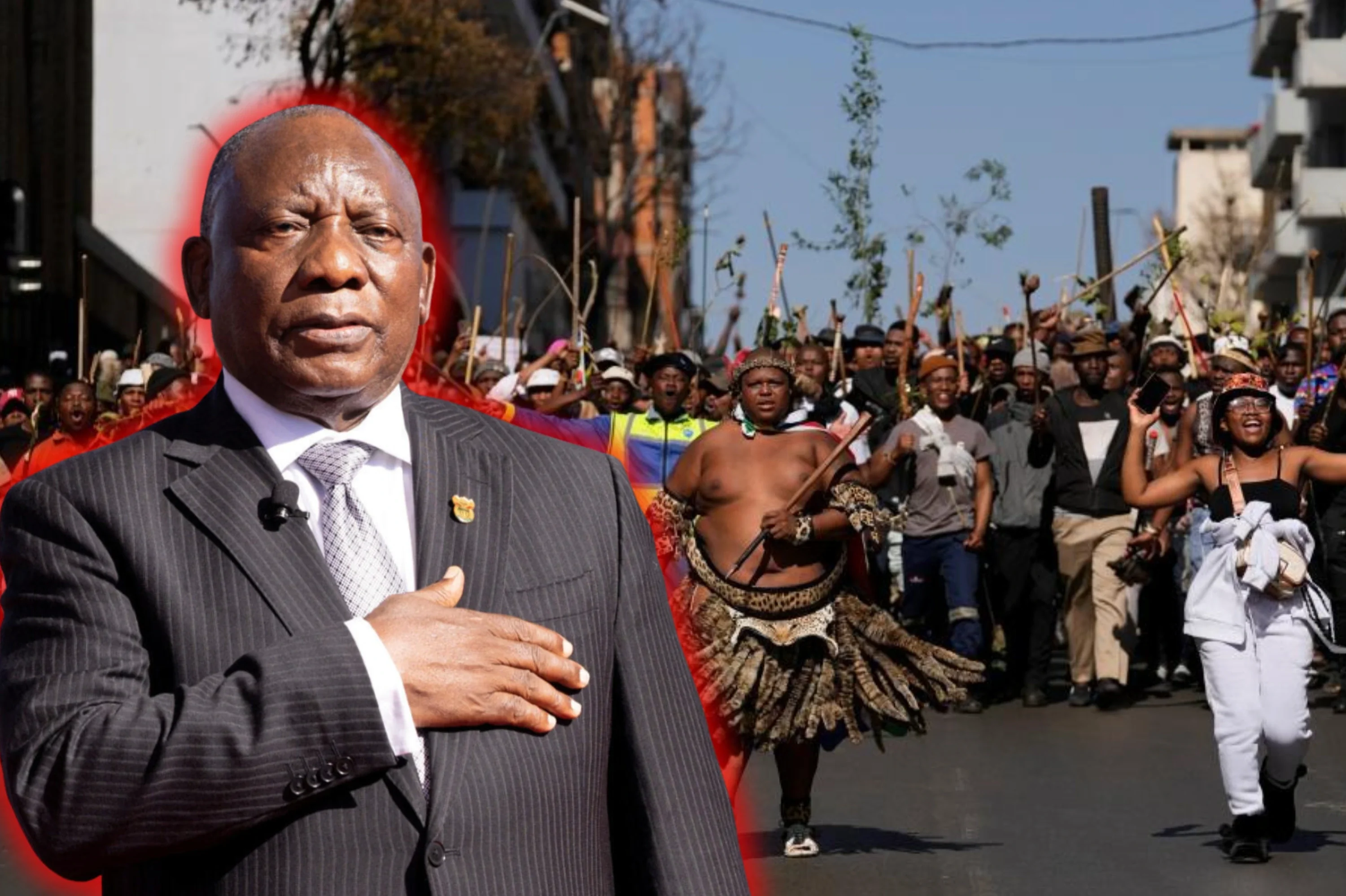
The President of South Africa, Cyril Ramaphosa, held a meeting this week with some of the protest leaders. During the meeting, the president acknowledged that there are failures in the country's border control, an aspect that has been repeatedly highlighted in recent public debate.
The protests reflect a scenario of increasing tension surrounding the immigration issue, a problem that is no longer exclusive to the United States or European countries.
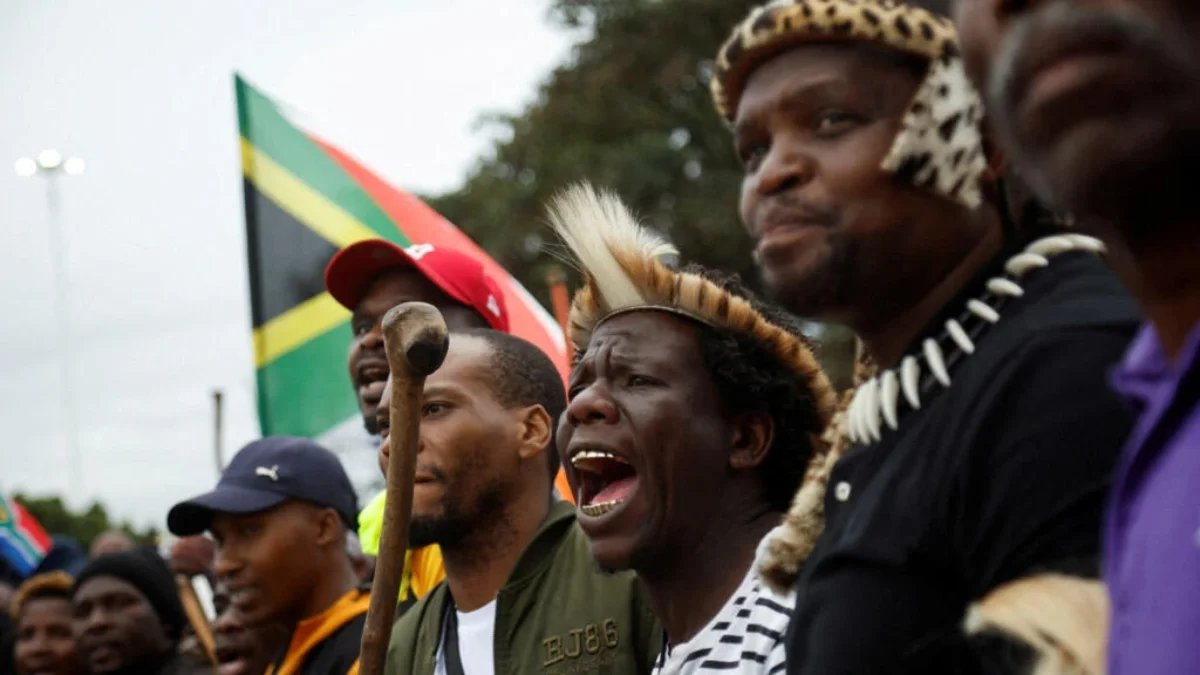
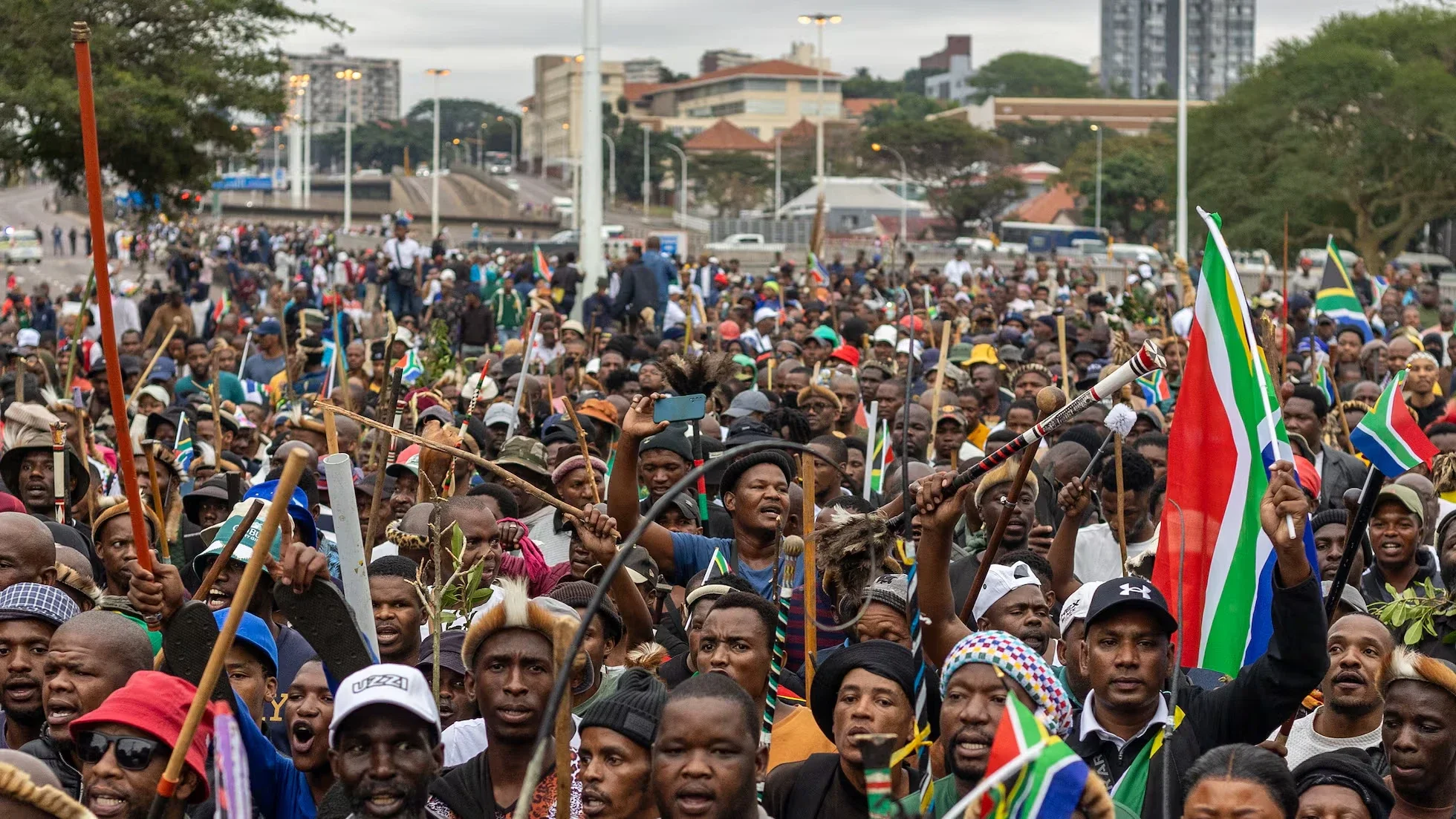
Thousands of South Africans mobilized in recent days in various cities across the country in a series of protests against illegal immigration, in what is considered the largest gathering of its kind since 2008.
The demonstrations took place in a context of growing public debate about the impact of immigration on the economy, security, and public services.
During the marches, numerous protesters demanded the government deport undocumented immigrants from countries such as Zimbabwe, Mozambique, and Somalia.
The marches against illegal immigration
The mobilizations are part of a series of protests and marches organized in recent months by groups highlighting this issue.
In this context, Tuesday had been set as a symbolic deadline for people in irregular migration situations to leave the country, marking the first time such a call has been made.