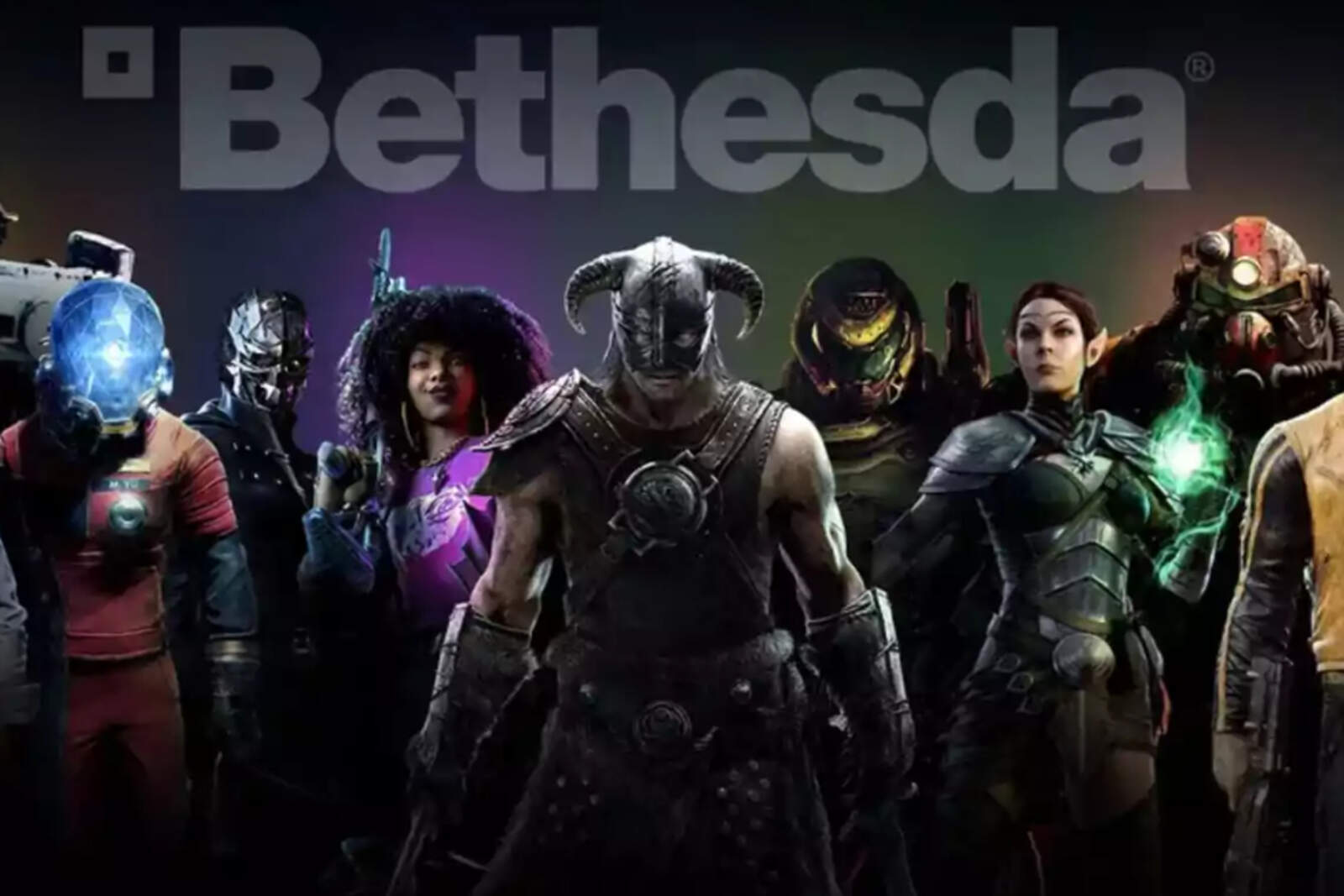
Bethesda's director explained how he integrates artificial intelligence into the studio's internal processes without displacing developers
Nuevo
Agregar La Derecha Diario en
Compartir:
The discussion about the use of artificial intelligence in video games has intensified in recent years. Unity's 2024 reports indicate that more than 60% of studios working with its tools already incorporate AI at some point in development. GDC surveys confirmed that one third of studios use it regularly and that the trend accelerated during 2025. In Japan, more than half of the companies surveyed at the Tokyo Game Show admitted to having adopted this type of technology.
The topic became especially sensitive after the cancellation of Postal: Bullet Paradise, which was criticized for having used AI-caused assets. The episode fueled extreme positions: from executives like Tim Sweeney—convinced that AI will be omnipresent—to critical voices like Dan Houser, who went so far as to describe its advance as a "mad cow-type" process.
Todd Howard's stance: AI yes, but as a tool
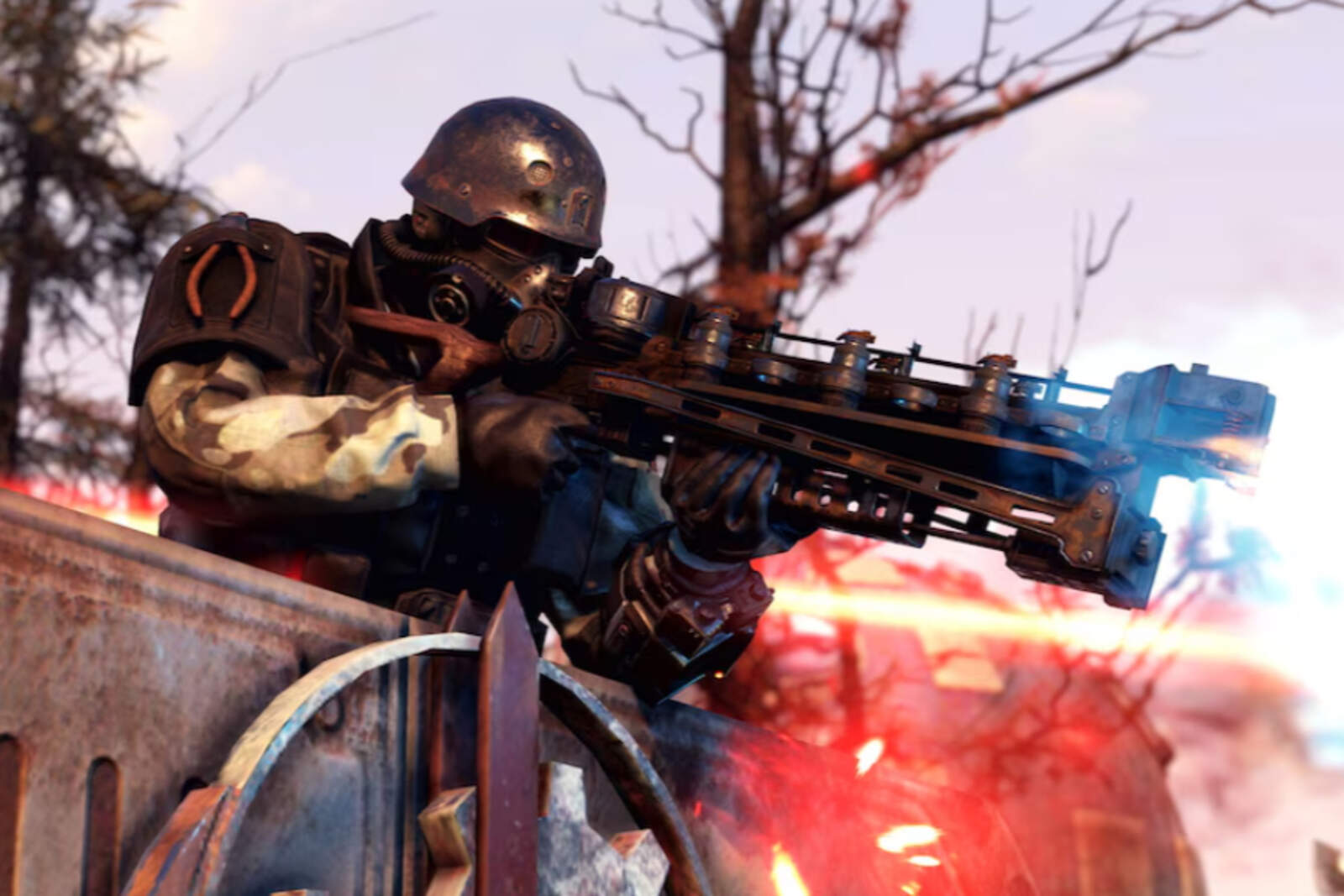
Todd Howard defendió el uso de IA en Bethesda pero remarcó que 'la creatividad humana es irremplazable'
In that context, Todd Howard clarified Bethesda's position. The director stated that the company uses AI, but always under an approach subordinated to human creative decisions. "Creative intent comes from the artists, above all," he emphasized.
Howard explained that artificial intelligence is used to speed up repetitive tasks, perform technical checks, and facilitate reviews within game worlds. However, he stated that Bethesda doesn't use AI to generate autonomous artistic content: neither images, nor environments, nor characters. According to his explanation, the philosophy is similar to the evolution of programs like Photoshop: tools that optimize, but never replace the creator.
Preserving the artistic component as a central policy
The executive insisted that the studio's goal is to protect human expressiveness and ensure that every aesthetic decision is in the hands of artists and designers. At Bethesda, he emphasized, the human factor remains the heart of the process, even as technology allows more and more stages of development to be automated.
This stance contrasts with other companies exploring more expansive models. Electronic Arts, for example, encouraged its teams to consider AI as "thought partners." Sega, meanwhile, warns that it will only implement it when strictly necessary. For analysts like former Nexon CEO Owen Mahoney, AI will deeply redefine the industry, generating inevitable transformations.
Todd Howard defendió el uso de IA en Bethesda pero remarcó que 'la creatividad humana es irremplazable'
Uncertainty, controversy, and the future of development
Howard's statements come at a time when consumers and developers are demanding more transparency about how much of a game is made by humans and how much by algorithms. Cases like Postal: Bullet Paradise have shown that public perception can bring down an entire project when excessive use of AI is suspected.
While some executives highlight the efficiency brought by automation, many artists fear that job opportunities will be reduced and the cultural value of works will be diluted. With his message, Howard seeks to distance himself from models based on automatic generation and reaffirm that, at least at Bethesda, human creativity remains the core of the process.