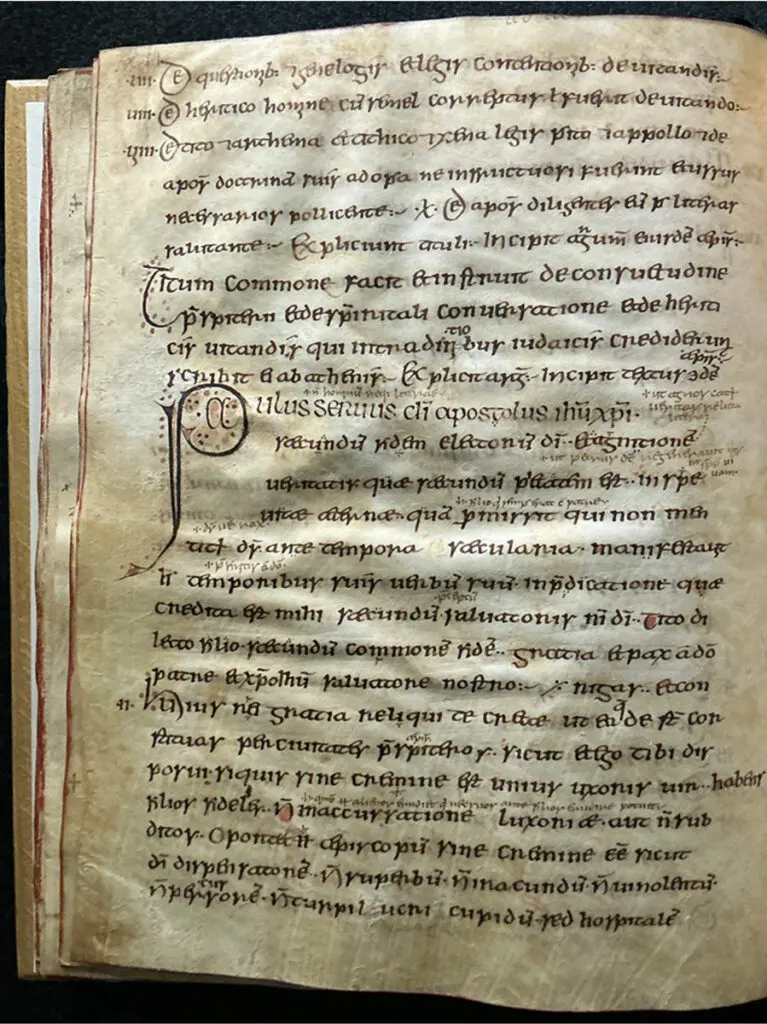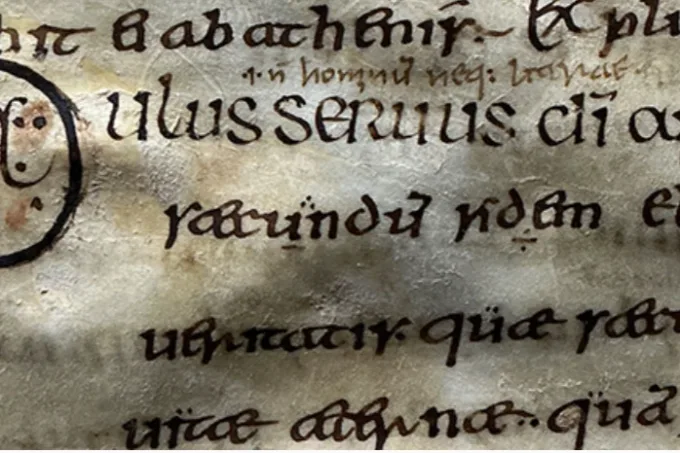

Researchers from University College Dublin have managed to trace the sheep pox virus from DNA samples extracted from the pages of parchment in ancient manuscripts. The finding demonstrates that these historical supports can preserve genetic material from animal pathogens and open a new window for studying outbreaks of the past.
Sheep pox is a highly contagious disease that causes high mortality rates in flocks. In addition to endangering the lives of animals, it damages wool and reduces milk and meat production, with significant economic consequences for farming communities.
Louis L’Hôte from University College Dublin explained that the recovery of ancient DNA from pathogens has completely changed the understanding of infectious diseases of the past. “Here we show that parchment can also preserve DNA from animal pathogens,” he stated.
The same researcher noted that it is possible that archives and libraries around the world contain genetic traces of animal disease outbreaks that occurred in earlier times. The team was able to trace the presence of the sheep pox virus over more than 3700 years.
Findings in Iconic Manuscripts
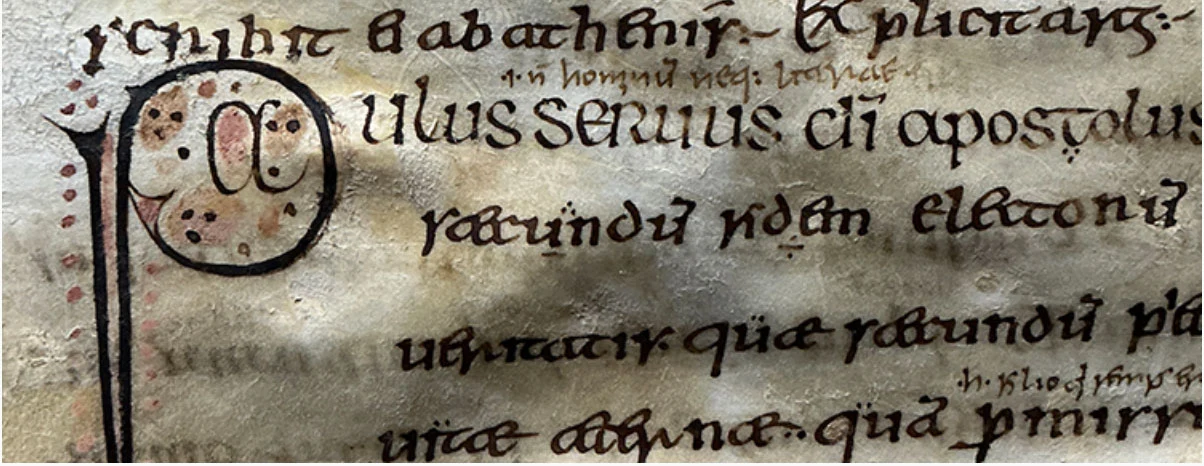
The scientists extracted samples from sheep teeth and detected the virus in several medieval manuscripts. Among them are the York Gospels, a illuminated manuscript a thousand years old, and the Corpus Glossary, an early English dictionary.
The virus also appeared in parchments made from calf and goat skin. L’Hôte indicated that this could be due to transmission between species or contamination that occurred during the parchment manufacturing process.
The work was published in the journal Science Advances and adds evidence that historical documents not only preserve written information but also valuable biological material for science. The technique allows for the study of veterinary diseases to extend beyond traditional bone remains.