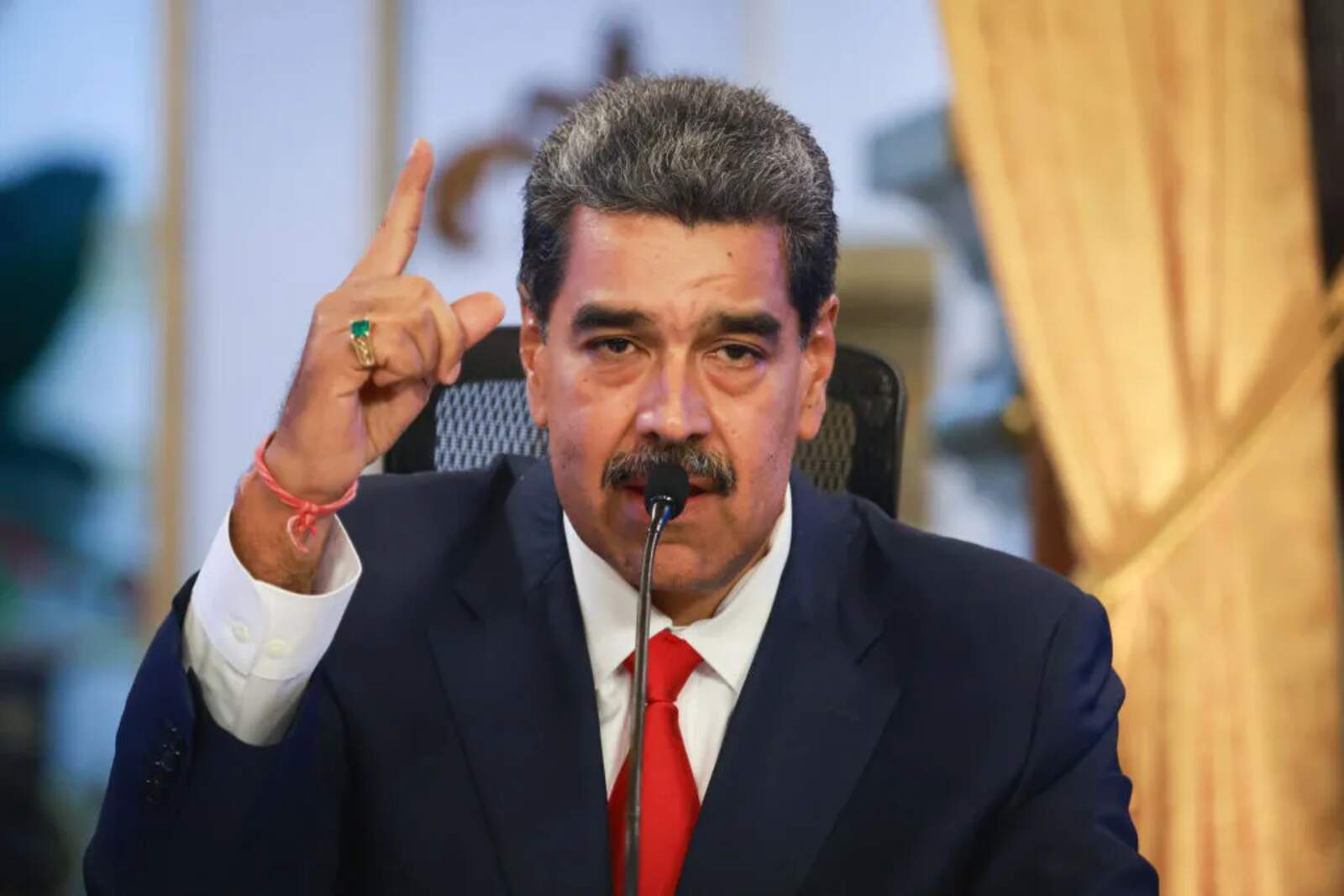
The Government of Donald Trump demonstrated both its political determination and operational capacity by achieving the release of five opposition leaders to Nicolás Maduro's regime, who had been sheltered in the Argentine embassy in Venezuela. The rescue of Magallí Meda, Claudia Macero, Omar González, Pedro Urruchurtu, and Humberto Villalobos was a meticulously planned operation. It included a carefully coordinated transfer from Caracas to a Caribbean coast, followed by a sea journey to an island popularized by the Beach Boys and, finally, a short flight to Miami. The so-called "Operation Guacamaya," which enabled the departure of these Venezuelan opposition figures, was driven by Marco Rubio, the current United States Secretary of State. This initiative was joined by Chris Landau, the department's deputy secretary, and Mauricio Claver Carone, a special delegate of President Donald Trump for Latin American affairs. It was no coincidence that Rubio, Landau, and Claver Carone acted together. They share an emotional and political bond with Latin America, as well as a deep understanding of the reality under the Venezuelan regime. Nicolás Maduro, dictador de Venezuela. In this scenario, the Trump administration sent a clear signal to the Venezuelan regime: if it doesn't proceed to release 11 political prisoners who remain detained and missing, the United States will act with the same speed and firmness already demonstrated in Operation Guacamaya. The Venezuelan economy heavily depends on the global supply chain, from equipment for the oil industry to pharmaceuticals. The U.S. government directly targets that structural vulnerability as a pressure point. From this strategic position, the White House has the ability to influence access to vital resources that sustain key areas such as public health, oil, and the economy in general, with implications for partner countries like Argentina and India.
The kidnapped Argentine gendarme
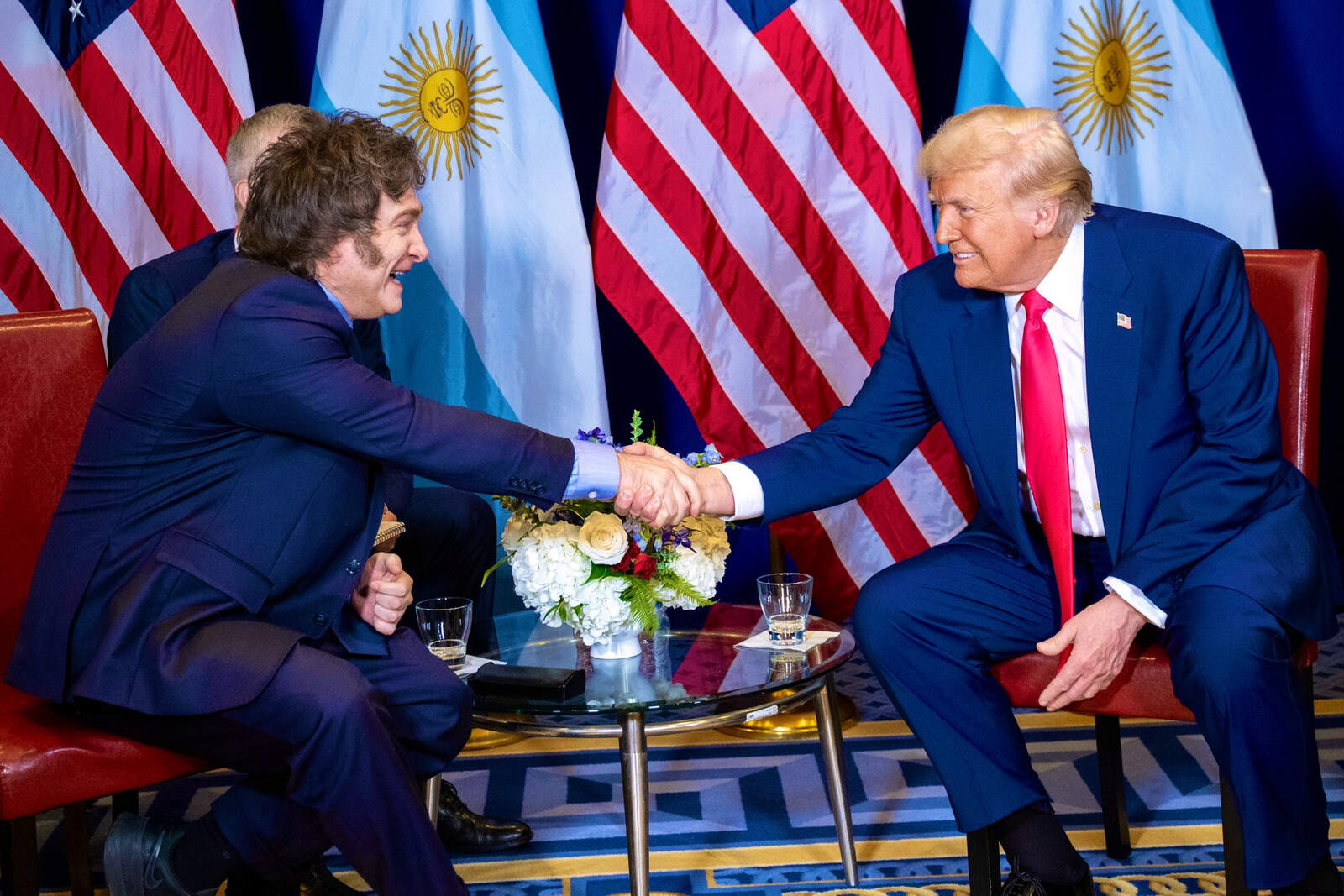
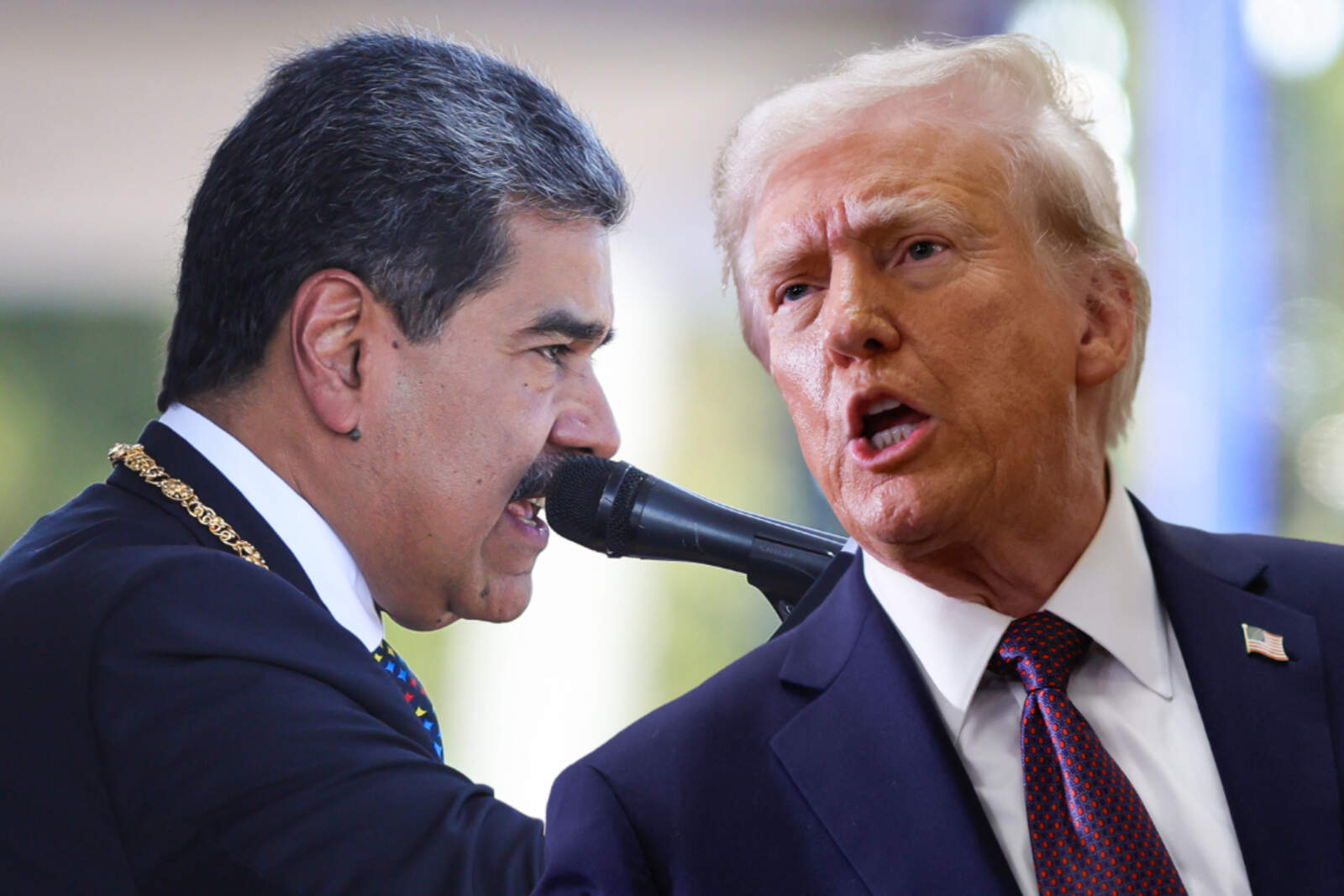
In this context, the Trump administration demands the release of 11 political prisoners it considers a national priority. Among them are nine American citizens, the Argentine gendarme Nahuel Gallo, and a citizen of Israeli origin. The governments of Javier Milei and Benjamin Netanyahu formally requested the Trump administration to add their compatriots, and the State Department included their names on the priority list currently being negotiated by Claver Carone with the delegates appointed by Maduro's regime. Donald Trump y Nicolás Maduro.
The negotiations
After the impact of Operation Guacamaya, which exposed the weaknesses in security and intelligence of the Venezuelan regime, Maduro's representatives show willingness to engage in talks with the State Department. The Venezuelan dictator seeks for Washington to lift financial sanctions and allow American companies to participate in the extraction and export of Venezuelan oil. Meanwhile, Maduro proposes that the exchange of political prisoners for drug traffickers captured by Nayib Bukele's government be conducted under unequal conditions. The Caribbean leader proposes a logic similar to that used by the Palestinian terrorist group Hamas: handing over a kidnapped American citizen in exchange for a large group of criminals under Bukele's custody.