The President of the United States will travel to the Philippines and China to strengthen Washington's trade ties in the Indo-Pacific and lead the first trilateral talks on nuclear arsenals alongside Xi Jinping and Vladimir Putin
The controversy has also raised questions about U.S. technology export controls and the actions of the Department of Commerce regarding operations linked to the company.
Treasury Secretary Scott Bessent stated that the central issue will be determining whether Nvidia complied with U.S. export regulations.
“Jensen Huang is an incredible innovator, but that does not exempt them from their compliance obligations,” Bessent stated during an interview with Fox News.
The official avoided anticipating the conclusions of the investigations, although he emphasized the importance of examining the company's control mechanisms.
This issue is particularly relevant amid the strategic competition between the United States and China for leadership in artificial intelligence, semiconductors, and military-use technologies.
Elon Musk will accompany Trump during part of the tour
The U.S. delegation will also include Elon Musk, owner of Tesla and CEO of SpaceX, who will accompany the president during part of his tour of Asia.
The entrepreneur's presence comes at a time of increasing political attention on his companies, which could come under scrutiny from the new Democratic majority in the U.S. Congress.
The tour also comes after the midterm elections, in which Republicans lost control of both chambers of Congress, and amid internal difficulties caused by disruptions in national air traffic.
In this context, Trump will seek to project the international weight of the United States once again through economic diplomacy and negotiations among the world's major powers.
The combination of trade agreements, technological competition, and discussions on nuclear armament makes the trip a significant instance for Washington's foreign policy and for the U.S. positioning against China and Russia.
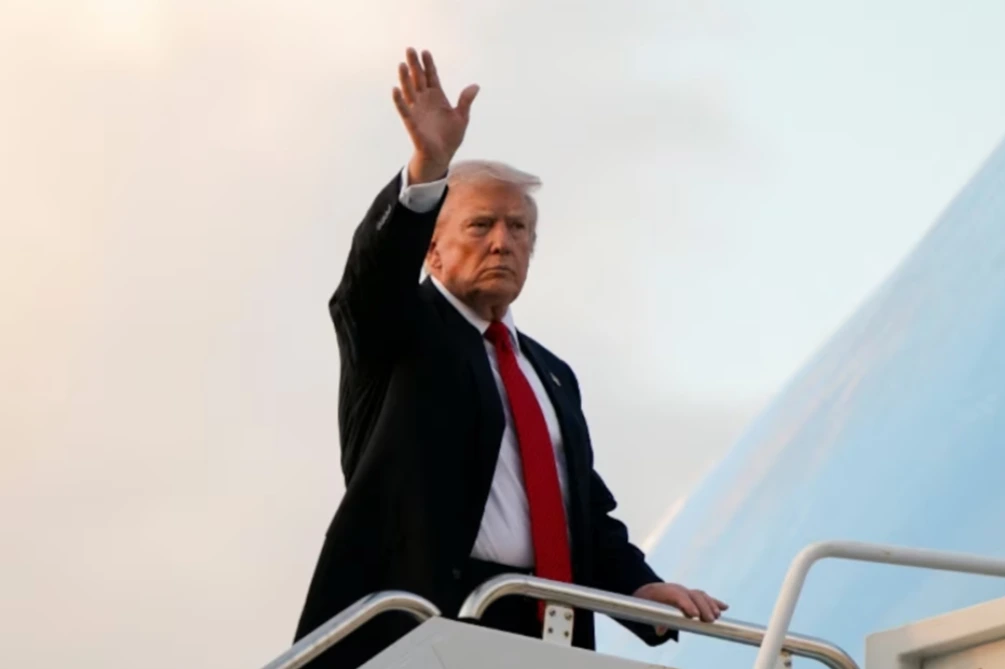
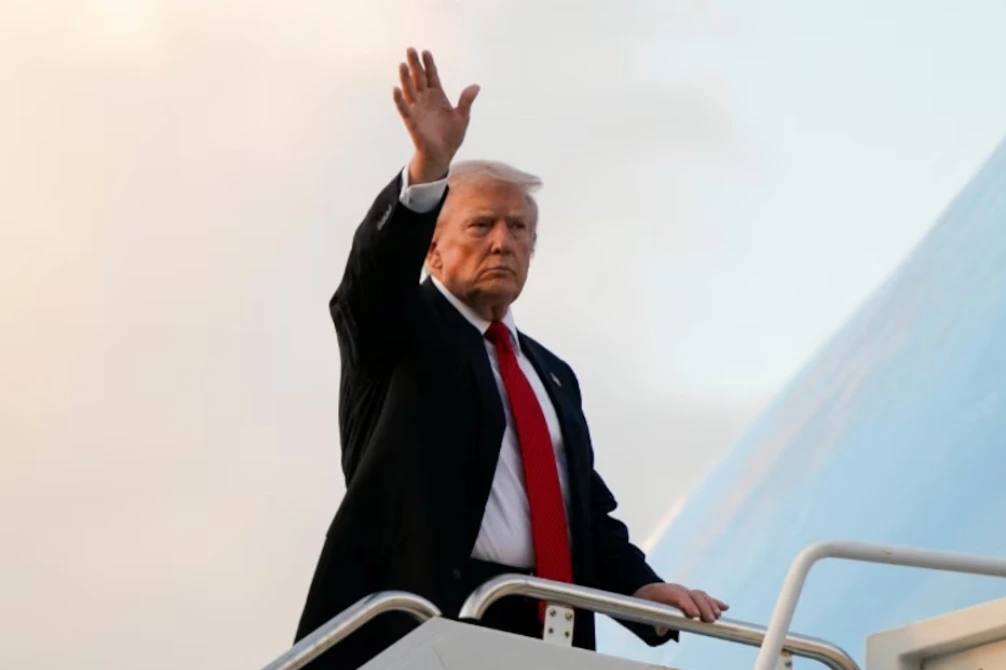
The President of the United States, Donald Trump, will embark on an important diplomatic tour of Asia this Monday, with an agenda focused on strengthening the U.S. economic presence in the Indo-Pacific, advancing trade agreements, and opening a new channel of dialogue on nuclear security with China and Russia.
The tour will begin in Manila, Philippines, where the president will meet with leaders from Southeast Asia and seek to deepen economic and strategic cooperation with the countries in the region. He will then travel to Shenzhen, China, to participate in the Asia-Pacific Economic Cooperation (APEC) summit, where he will hold meetings with Chinese President Xi Jinping and engage in a trilateral meeting alongside Russian President Vladimir Putin.
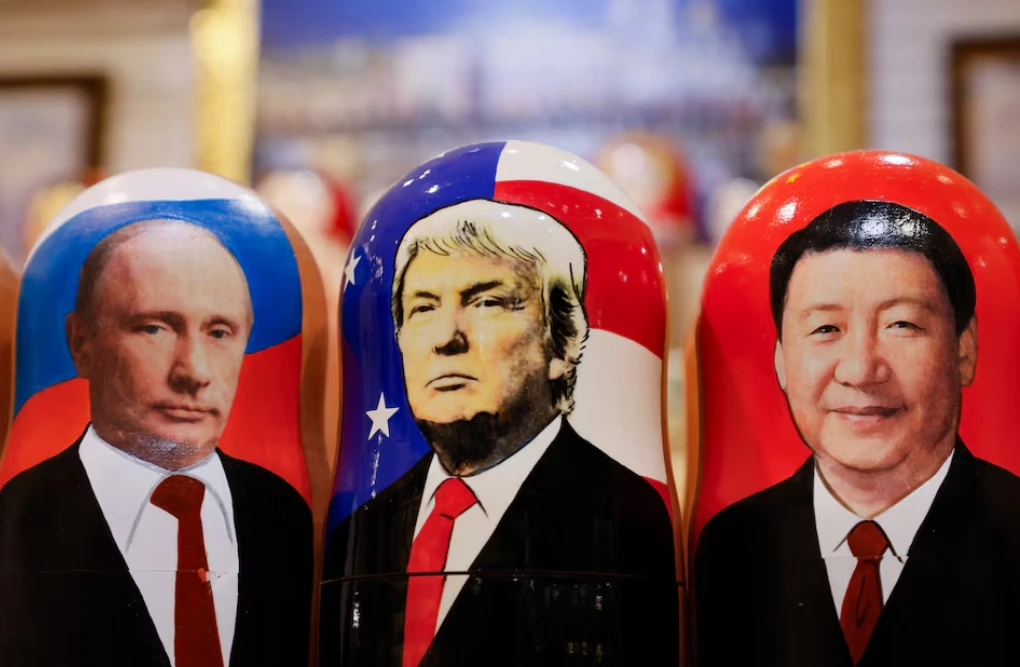
The meeting between the three leaders will be one of the most significant diplomatic events of the trip, as it will allow for direct discussions on the nuclear arsenals of the world's major military powers. This will be the first trilateral talks of this kind between Washington, Beijing, and Moscow.
Trump seeks to strengthen U.S. leadership in the Indo-Pacific
The first stop of the tour will be the Philippines, where Trump will meet with representatives from Southeast Asian countries looking to deepen their ties with the United States in the face of China's growing influence in the region.
The Republican administration plans to advance new trade and strategic understandings. Among them, the White House anticipates signing a trade agreement with Thailand during the visit to Manila.
Trump seeks to strengthen US leadership in the Indo-Pacific
The initiative is part of Washington's strategy to consolidate its economic relationships with Asian countries, expand opportunities for U.S. businesses, and reinforce its presence in a region of increasing geopolitical importance.
Afterward, Trump will travel to Shenzhen to participate in the APEC summit. There, he will have a bilateral meeting with Xi Jinping, during which outstanding trade issues, compliance with economic commitments between the two countries, and restrictions related to advanced technology exports are also expected to be addressed.
The relationship between Washington and Beijing continues to be marked by differences over trade, critical minerals, and technological competition, especially in strategic sectors such as semiconductors and artificial intelligence.
A historic summit between Trump, Xi Jinping, and Putin on nuclear arsenals
The central moment of the tour will arrive in China, where Trump will hold talks with Xi Jinping and Vladimir Putin to address nuclear weapons proliferation and the possibilities of advancing towards mechanisms for reducing strategic arsenals.
The meeting represents an unprecedented diplomatic event: for the first time, the leaders of the United States, China, and Russia will sit together to discuss the control of their nuclear capabilities.
From the White House, it was noted that Trump considers the proliferation of this type of weaponry particularly dangerous and will seek to open a direct dialogue with the other two powers to address the issue.
However, U.S. officials clarified that they do not expect to reach a concrete agreement during this first meeting, but rather to establish a starting point for future negotiations.
The agenda will also include the situation in Iran, which maintains close ties with Beijing and Moscow and whose relationship with Washington continues to be marked by military conflict. In contrast, the war in Russia against Ukraine is not expected to be part of the trilateral discussions, according to U.S. administration officials.
Technological competition with China and the Nvidia case
Trump, however, recently mentioned the possibilities of reaching an understanding that could end the Ukrainian conflict.
The technological competition with China and the Nvidia case
Another issue surrounding the visit will be the controversy linked to Nvidia and the departure of its former CEO, Jensen Huang, after an extramarital relationship with a woman identified as a suspected agent of the Chinese regime came to light. Beijing denied any involvement in the episode.
Despite the repercussions of the case, U.S. officials indicated that Trump does not plan to directly raise the issue with Xi Jinping.