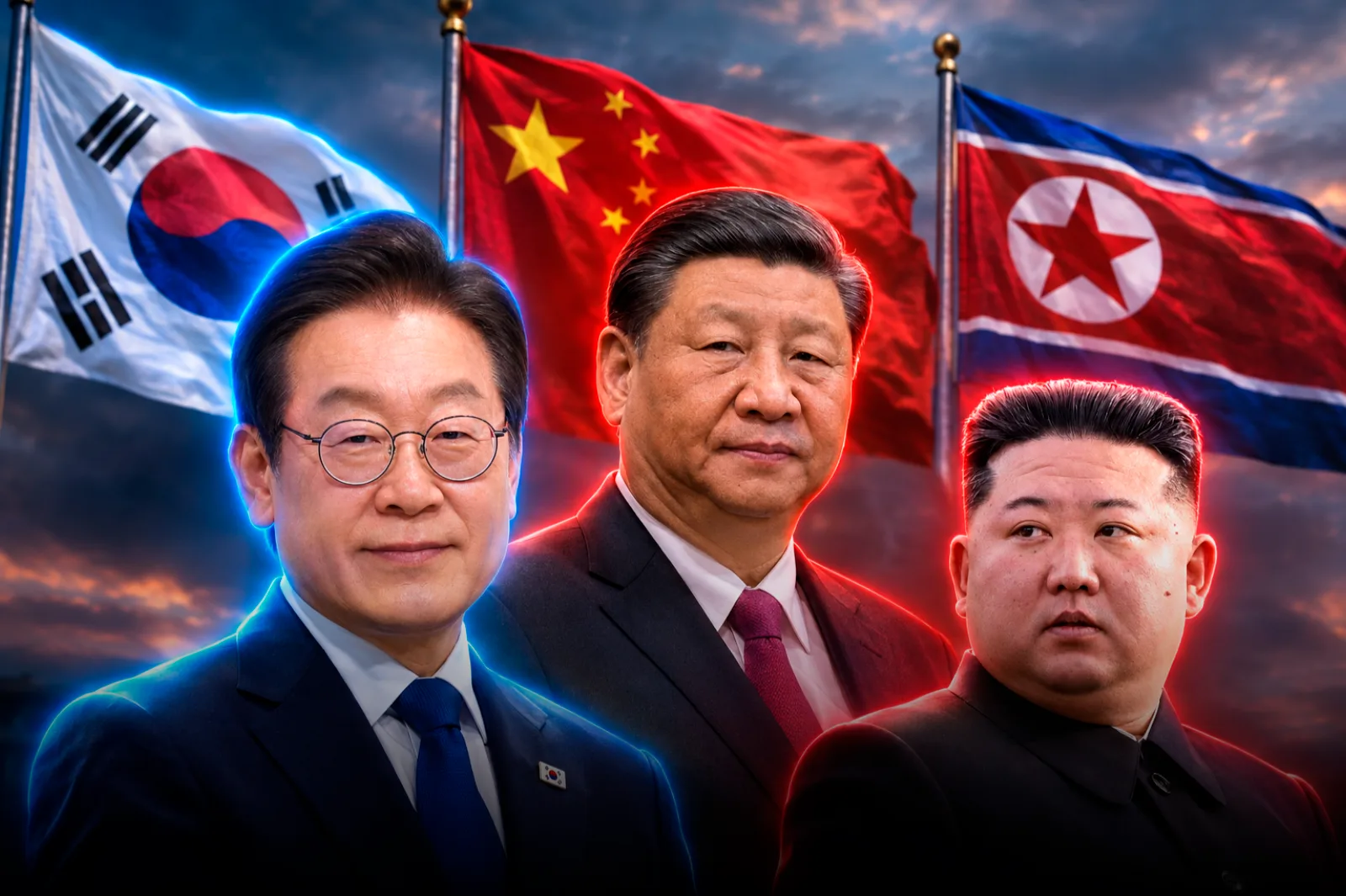
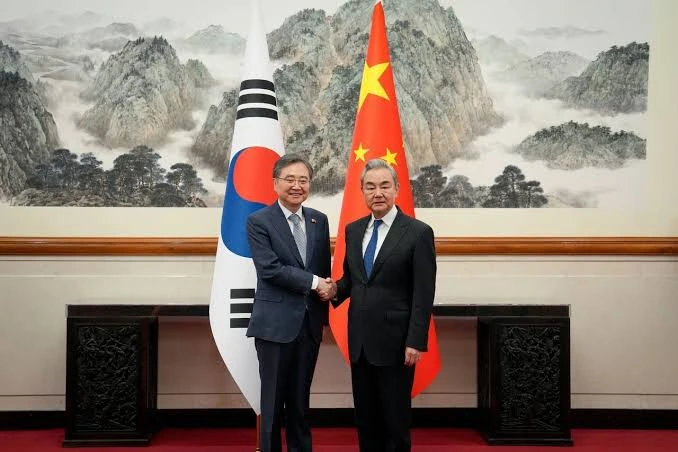
The Foreign Minister of South Korea, Cho Hyun, urged China to play a constructive role in reducing tensions on the Korean Peninsula and help bring North Korea back to the negotiating table. The request was made during a meeting with his Chinese counterpart, Wang Yi, held on Friday in Beijing, amid Seoul's efforts to reactivate diplomatic channels with Pyongyang.
According to various South Korean news agencies, Cho emphasized that stability and peace on the Korean Peninsula represent shared interests for both South Korea and China. In his initial statements, the South Korean official urged Beijing to use its diplomatic influence to facilitate progress on regional security issues.
The meeting took place ahead of the Asia-Pacific Economic Cooperation (APEC) Forum summit, scheduled for next week in Shenzhen, China, which will be attended by South Korean President Lee Jae Myung. The meeting between the two ministers also allowed for discussions on the state of bilateral relations and other regional issues affecting both countries.
The South Korean government asked the Xi Jinping regime to be involved in recovering channels of dialogue with North Korea.
During the talks, Cho and Wang exchanged views on the situation on the Korean Peninsula and the relations between Seoul and Beijing. According to the media, Wang stated that China's policy regarding the peninsula has not changed, although no new initiatives or concrete commitments to promote a resumption of negotiations with North Korea were publicly detailed.
Wang's statement comes in the context of increasing diplomatic activity between Beijing and Pyongyang, two governments that have intensified their contacts in recent months. In early November, a delegation from the North Korean ruling party traveled to China, marking a new sign of rapprochement between the two regimes.
Relations between China and North Korea have strengthened considerably since late 2025, with an increase in diplomatic exchanges and contacts between their respective authorities. This rapprochement is particularly relevant for South Korea, which believes that Beijing's involvement could be crucial in any attempt to reduce tensions with the regime of Kim Jong Un.
China maintains a strategic position on the Korean Peninsula due to its close political, economic, and diplomatic ties with Pyongyang. Additionally, Beijing has historically been one of North Korea's main international interlocutors and possesses tools of influence that other governments do not have.
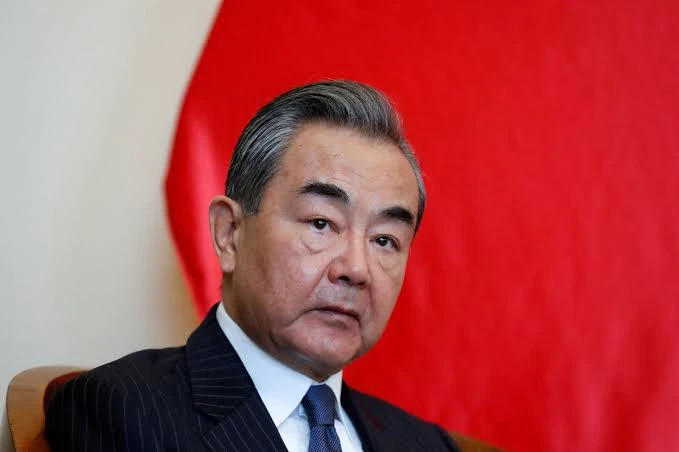
The foreign minister of the Xi Jinping government assured that China's policy towards Pyongyang has not changed
For Seoul, getting the North Korean regime back to dialogue is one of the main challenges of its foreign policy. Negotiations have been stalled for years, while differences over Pyongyang's nuclear and missile programs, international sanctions, and the necessary conditions to advance towards a reduction of tensions persist.
The meeting between Cho and Wang also reflects South Korea's interest in keeping communication channels open with China, despite the strategic differences that exist between the two countries. Beijing's cooperation could facilitate Seoul's diplomatic efforts, although the statements made so far do not indicate that a specific agreement has been reached to reactivate the talks.
The upcoming APEC summit in Shenzhen will provide a new opportunity for high-level contacts between the governments of the region. President Lee's presence will allow South Korea to continue its diplomatic efforts with Chinese authorities at a time when the rapprochement between Beijing and Pyongyang adds complexity to the regional security landscape.
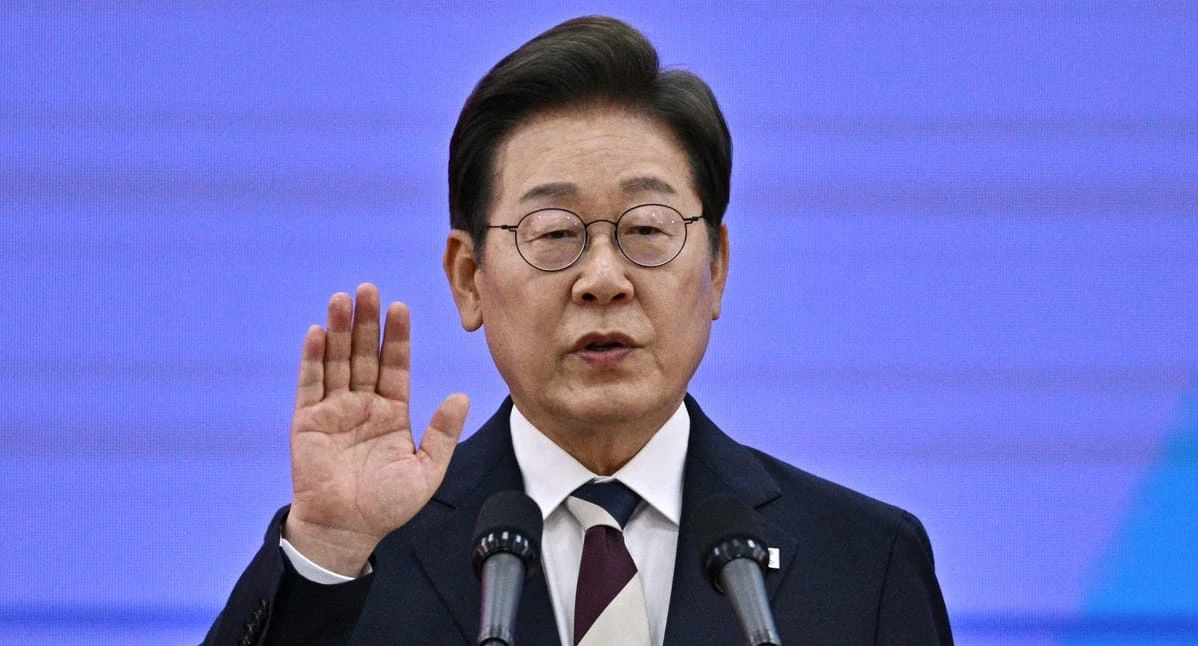
The President of South Korea will appear at the Asia-Pacific Economic Cooperation Forum to promote dialogue with the Kim Jong Un regime