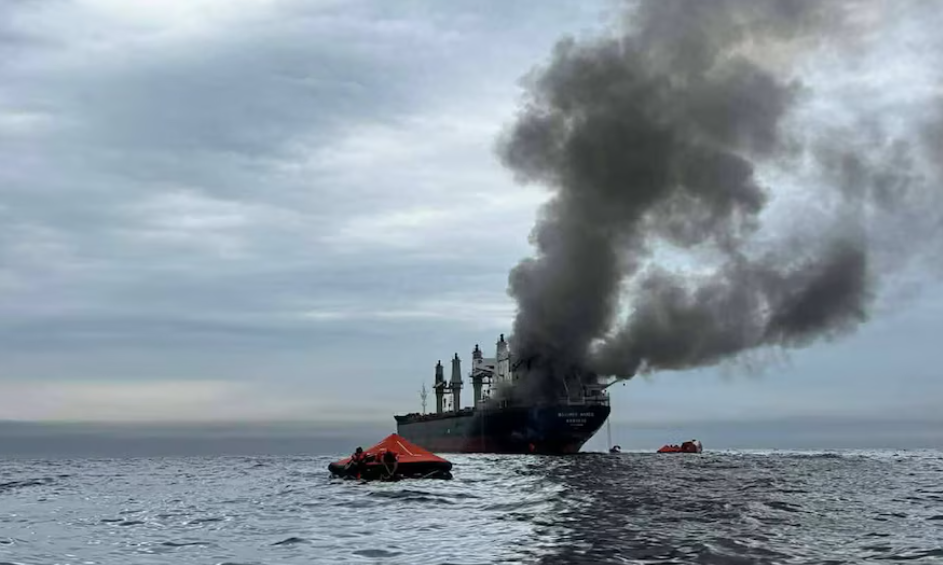

The President of the United States, Donald Trump, is working to form an international naval alliance aimed at protecting the transit of oil tankers in the strategic Strait of Hormuz, a key point for global energy trade.
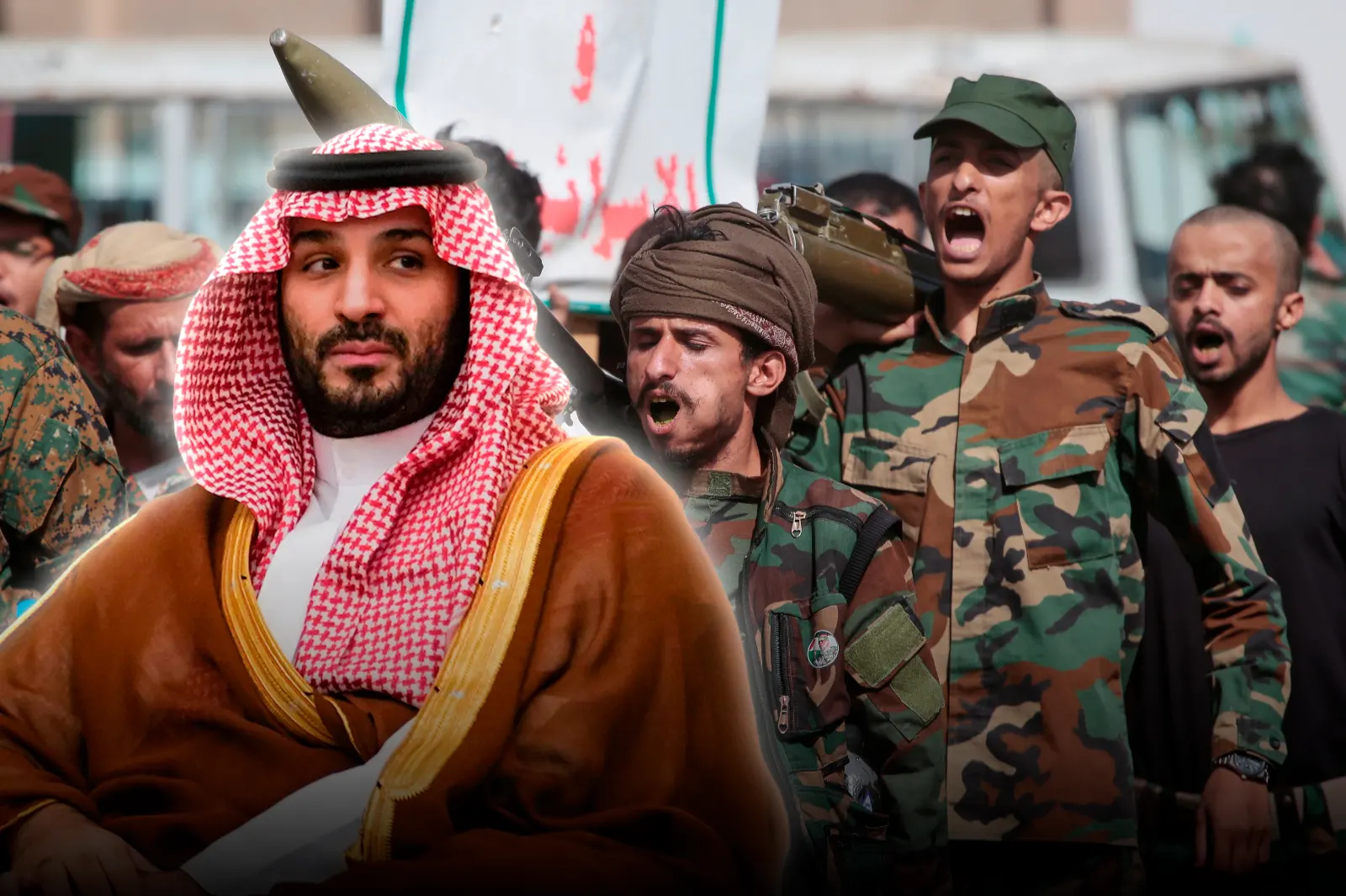
The initiative comes amid the escalation of the conflict between the Iranian regime and the coalition led by the United States and Israel.
The strait concentrates a decisive part of global oil traffic, so any interruption can have a strong impact on international energy markets.
The plan to protect the global flow of oil
The White House seeks to create a naval defense mechanism that guarantees the navigation of tankers that cross the
Persian Gulf.To this end, Trump summoned several international powers, including:
China
France
Japan
South Korea
United Kingdom
The objective is to form a naval force that escorts oil tankers and guarantees
the security of energy transport.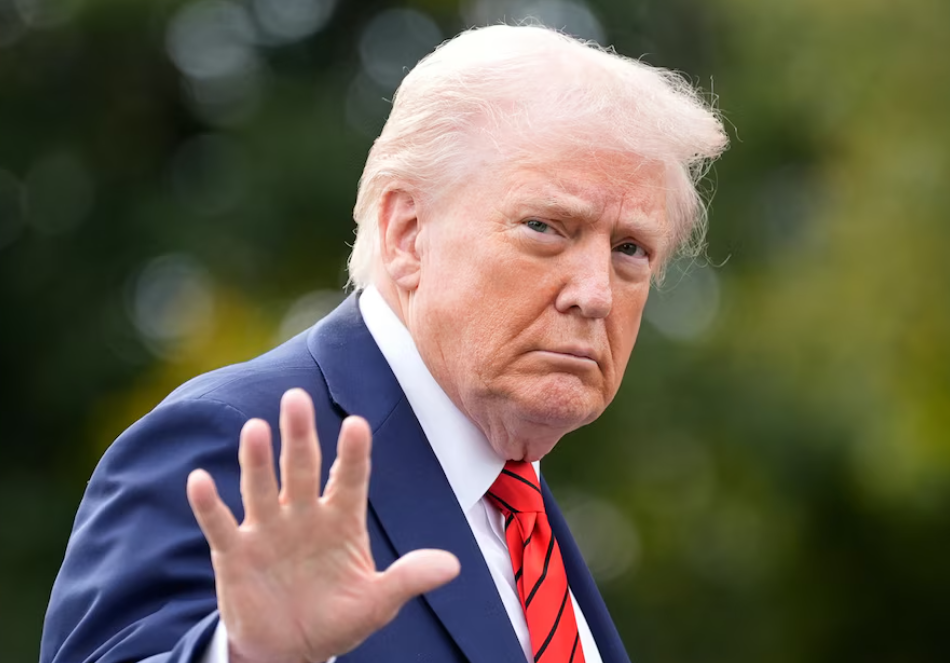
However, the proposal faces resistance from some
Western partners.Reluctance of allies and tensions with China
Some key U.S. allies are wary of a possible military escalation
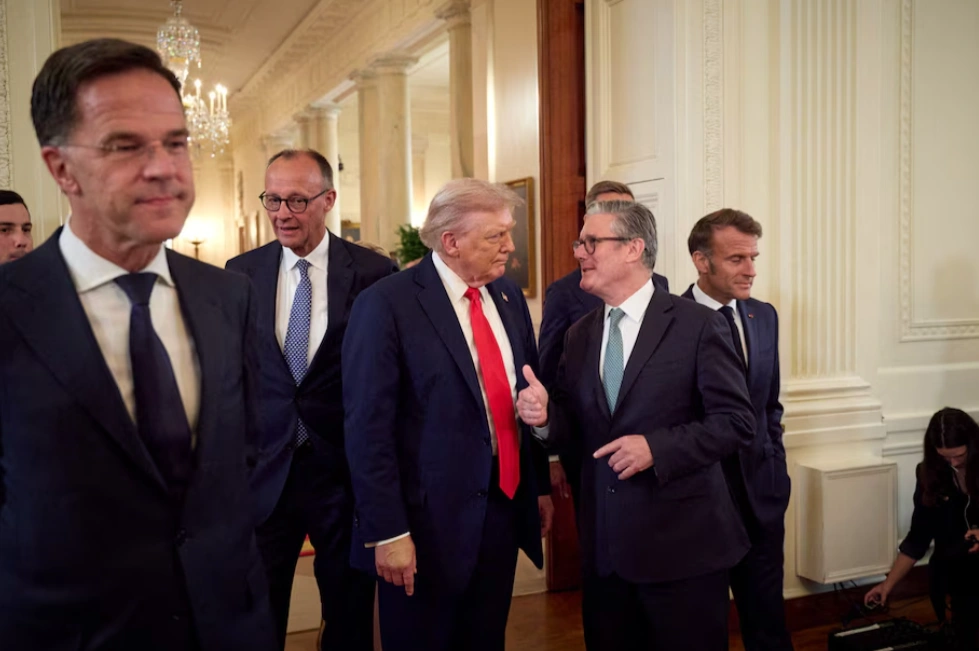
.French President Emmanuel Macron and British Prime Minister Keir Starmer slipped that their countries would only consider sending naval forces once the conflict ended.
Meanwhile, Xi Jinping maintains a position of strategic silence in the face of the US proposal.
Beijing also continues to allow Chinese-flagged ships to sail in the area, reducing its incentive to join a naval coalition led by Washington.
Trump warned that a lack of response from allies could affect the future of NATO.
Iran intensifies pressure in the Middle East
At the same time, the Iranian regime maintains a strategy of military attrition against Israel and the United States
.Tehran's forces have launched missiles at multiple cities in the region, including:
Tel Aviv
Jerusalem
Riad