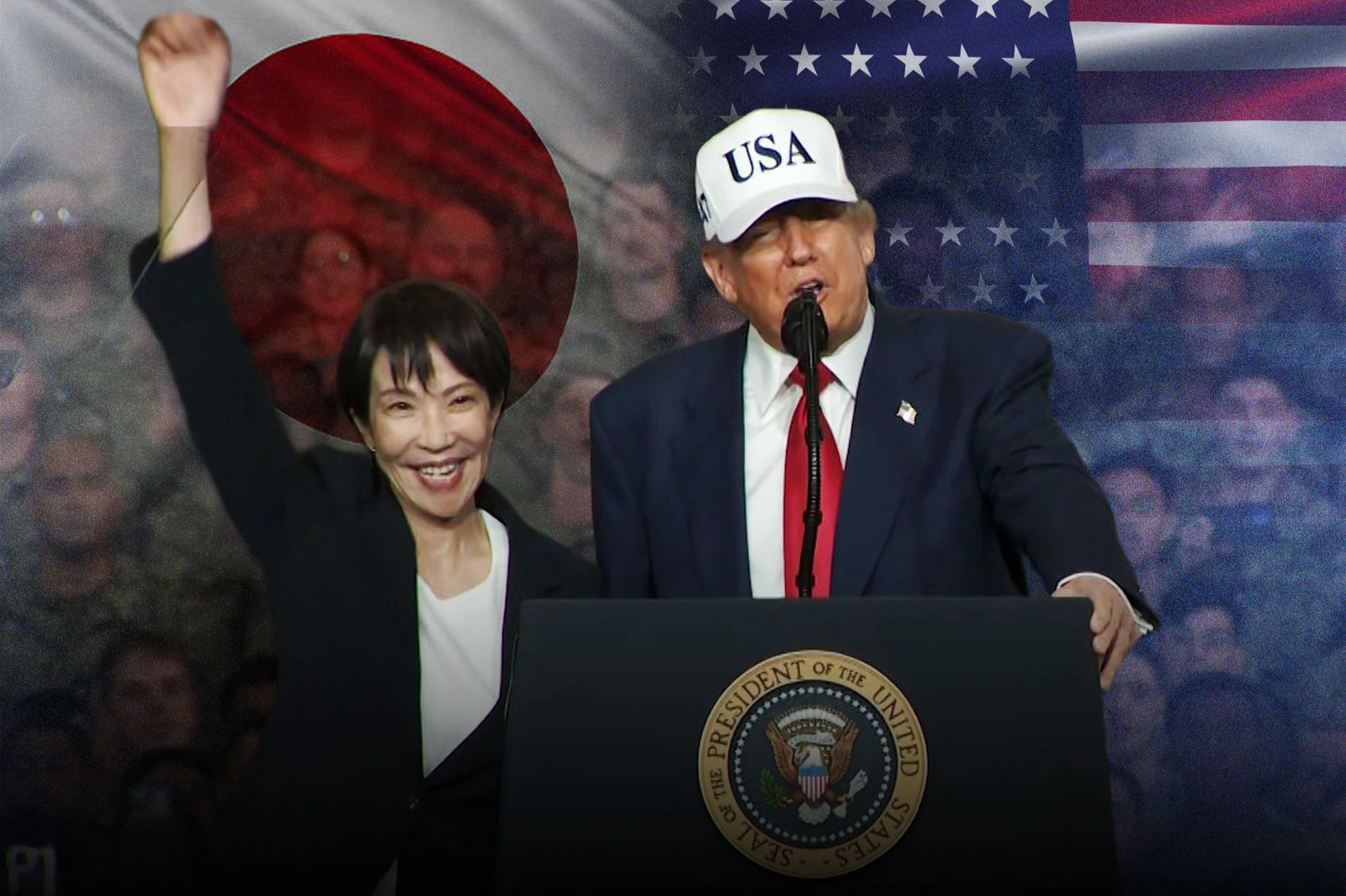
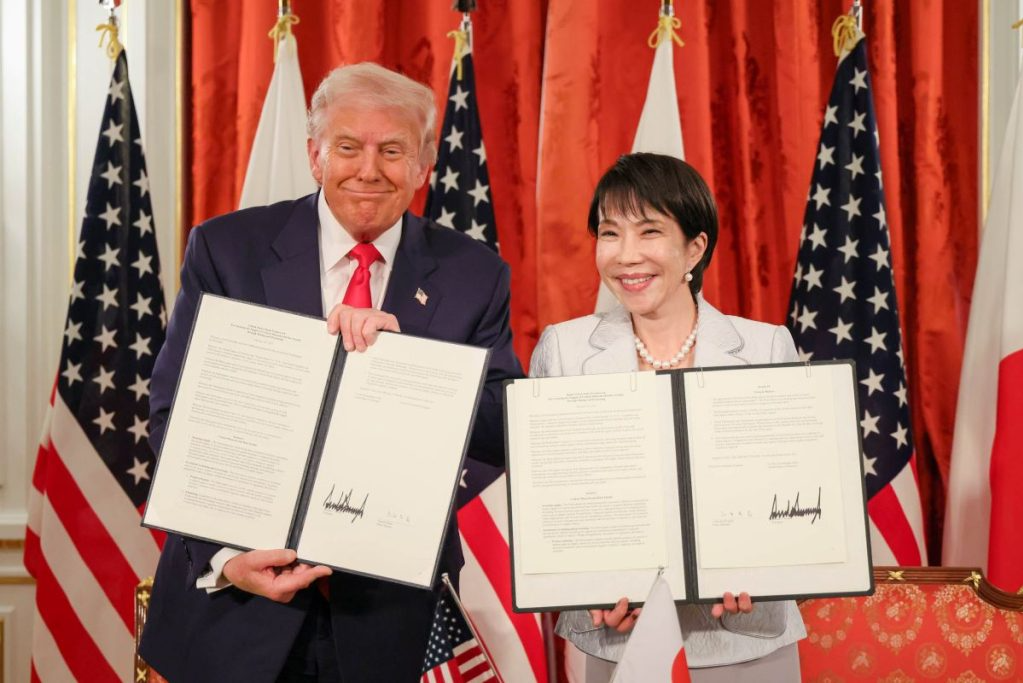
The President of the United States, Donald Trump, asked Japan this Thursday to “take a step forward” in support of international operations linked to the conflict with Iran, during a meeting at the White House with the Japanese Prime Minister Sanae Takaichi
.
At the meeting, held in the Oval Office, Trump pressured his allies to help ensure security in the Strait of Hormuz, a key route for global oil trade affected by escalating tensions. The president requested greater involvement, including the deployment of ships to clear mines and escort oil tankers, although he insisted that the United States maintains
the capacity to act alone.
“We hope that Japan will take a step forward,” Trump said, stressing the strength of the bilateral relationship. The president also defended his government's strategy against Iran, stressing the importance of acting with determination and, at times, with discretion to achieve military and geopolitical objectives
. Trump and Takaichi held a meeting at the White House where they discussed issues related to the War in Iran
In this context, Trump justified the reserved nature of the U.S. military operation by pointing out the need for the surprise factor, referring to the Japanese attack on Pearl Harbor in
1941.
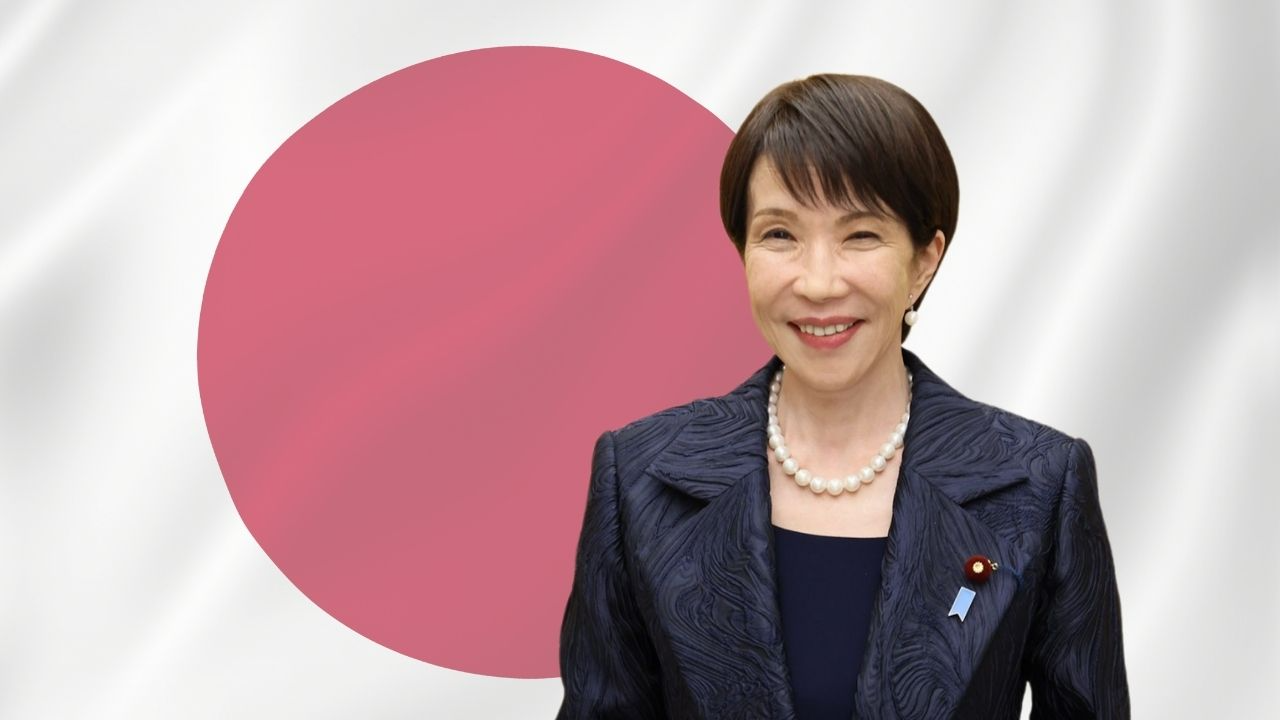
For his part, Takaichi noted that Japan will carefully evaluate what kind of support it can offer, due to the limitations of its pacifist Constitution. He indicated that he had informed Trump about his country's legal capabilities and restrictions regarding possible participation in operations in the Strait of Hormuz, without providing additional details
.
The Prime Minister also reiterated Japan's commitment to international stability and energy security, at a time when conflict threatens to impact global markets. Japan is heavily dependent on oil from the Gulf, increasing its interest in keeping shipping lanes open
.
Before the meeting, Japan joined a joint statement with European countries in which it expressed its willingness to collaborate in efforts to stabilize energy markets and guarantee free navigation. However, it is not clear if Tokyo will be willing to assume a more active military role in the region.
The Prime Minister of Japan was cautious about the quality of help that Japan could offer.
During the meeting, both leaders also addressed other key issues on the bilateral agenda, such as cooperation in defense, energy and critical minerals. According to subsequent statements, the United States and Japan advanced agreements for the joint development and production of missiles, reinforcing their strategic alliance
.
Trump also took the opportunity to highlight Japan's role as one of Washington's main allies in Asia, while reiterating his call to other international partners to increase their support in the current context of crisis.
Takaichi, for his part, called for the de-escalation of the conflict with Iran, condemned the attacks in the Strait of Hormuz and stated that Tehran should not develop nuclear weapons. He also warned of the possible negative impact of the crisis on the global economy.
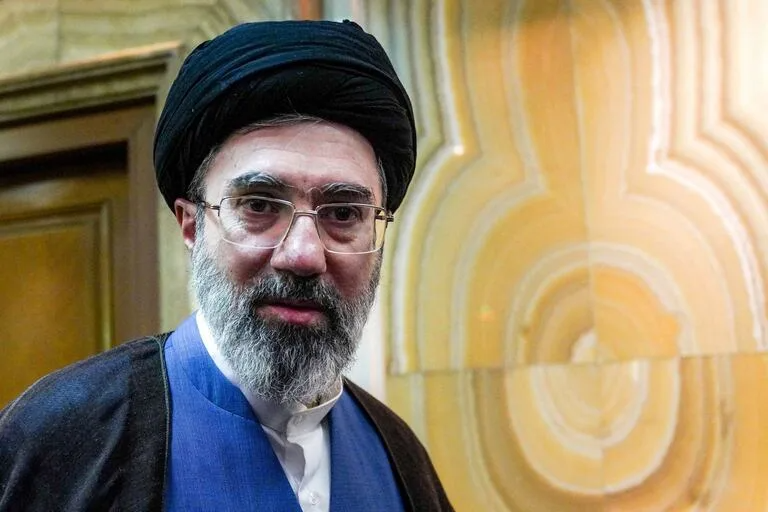
Japan noted that the Khamenei regime should not obtain nuclear weapons