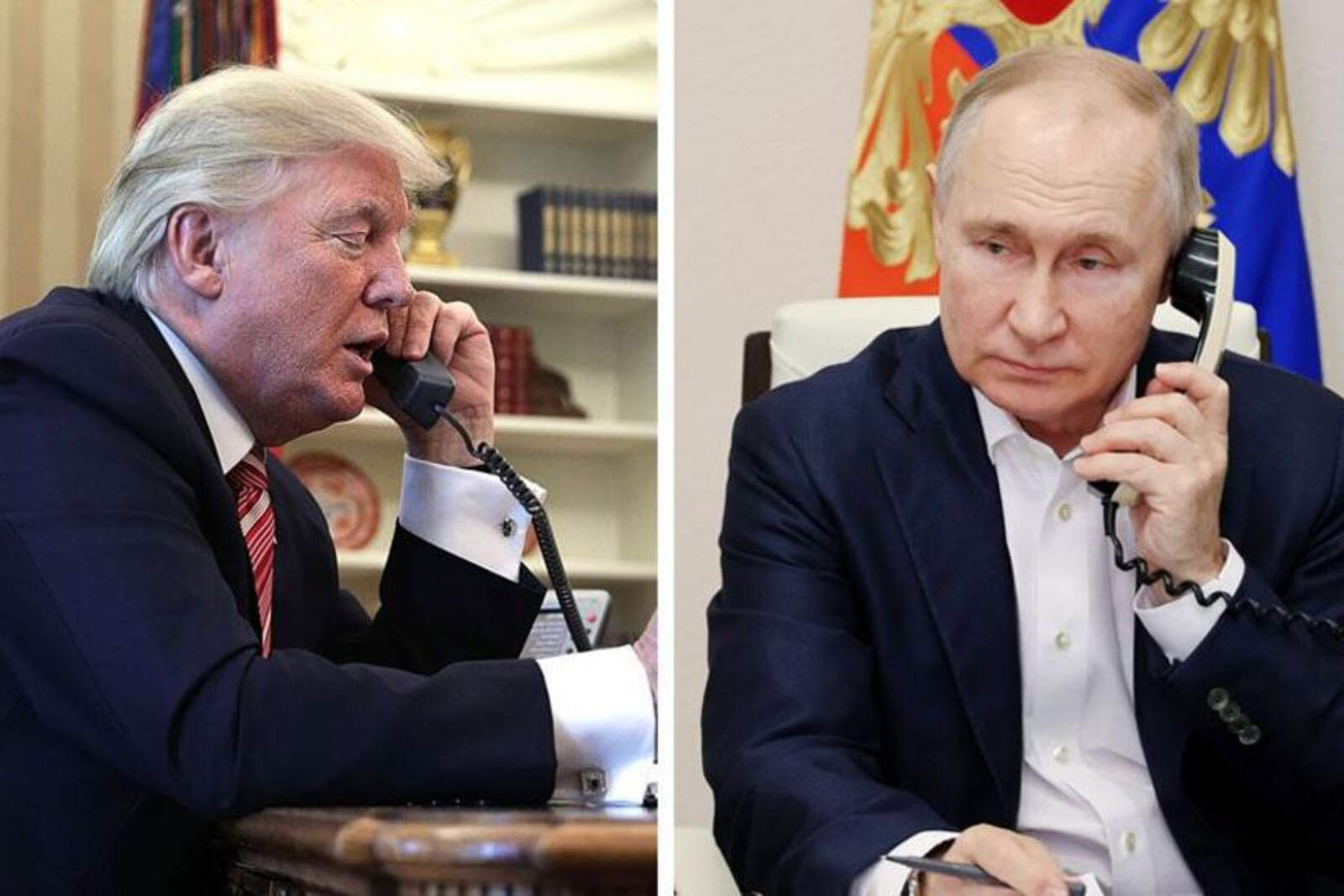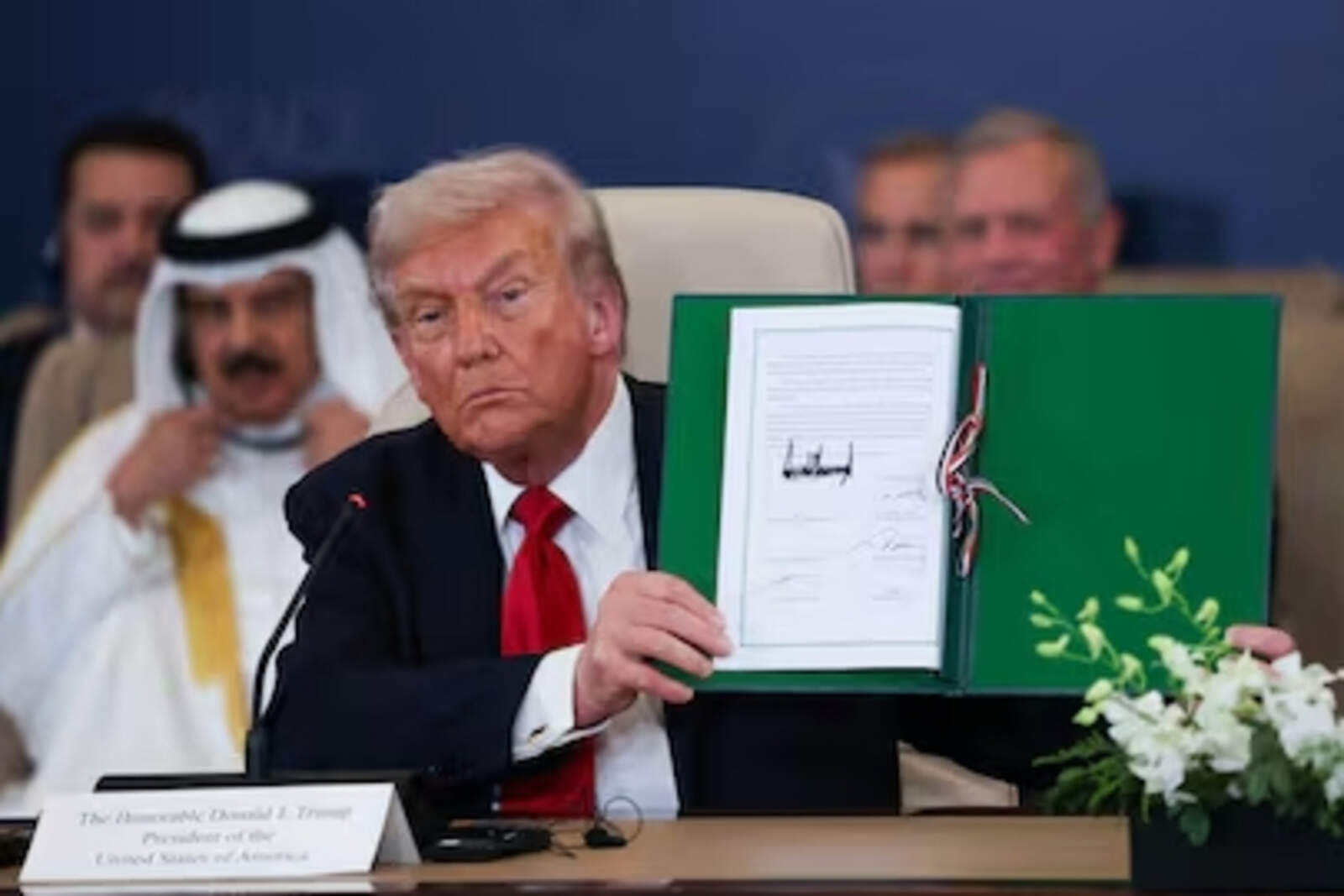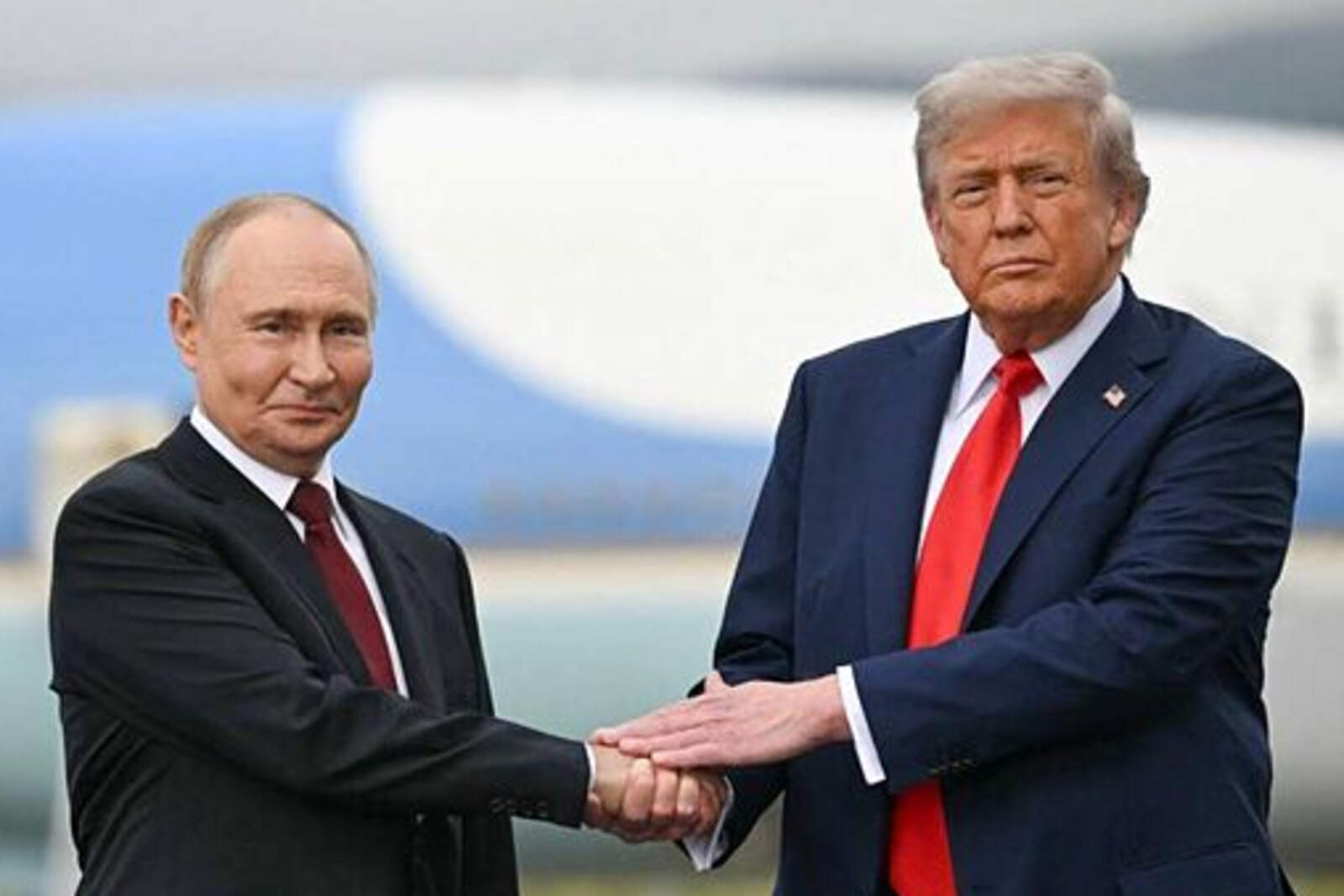

The Kremlin's official statement described the conversation as "extremely frank and full of trust," emphasizing that preparations for the Budapest summit "begin immediately." According to sources in Washington, Trump will raise the results of the dialogue with Putin in his meeting this Friday with Ukrainian President Volodymyr Zelensky at the White House.
The context of the exchange is significant: Kyiv is seeking American approval to add Tomahawk missiles to its arsenal, a move that Moscow considers an "unacceptable escalation". Trump, however, has shown caution and stated that he could use that request as a tool for diplomatic pressure. "I might tell Putin: if this war isn't solved, I'll send them Tomahawks," he warned days ago, in a tone more strategic than threatening.
Meanwhile, Russia intensified attacks on energy infrastructure in eastern Ukraine, repeating the tactic of pressuring Zelensky's government through the economic front. Trump assured that, at the same time, his administration is working with India to reduce purchases of Russian oil, seeking to ensure that peace negotiations include global energy commitments.
The much-anticipated summit between Trump and Putin in Budapest could mark a turning point in Europe's longest-running conflict in decades. With the same pragmatic style that led him to seal historic agreements in the Middle East and Korea, the American president appears determined to once again assume the role of global mediator.