The United States will deepen its offensive against drug trafficking cartels in Latin America and will begin to shift towards ground operations using military capabilities developed over decades of fighting against terrorist organizations like ISIS and Al-Qaeda, as announced by U.S. Secretary of Defense Pete Hegseth.
During a presentation to military personnel in Panama, the official stated that Washington considers any organization that traffics drugs or poses a threat to Americans and their allies as a target.
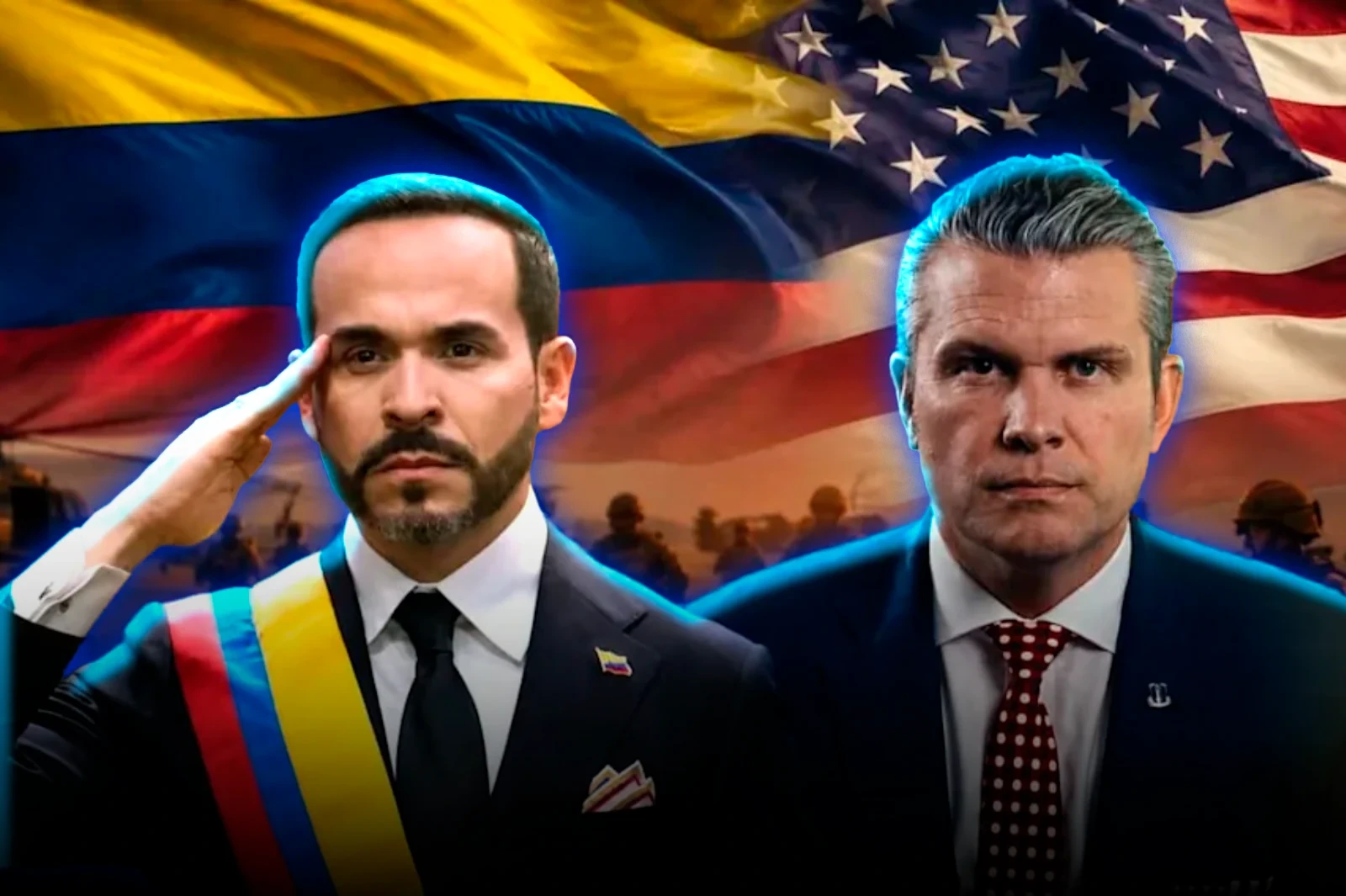
De La Espriella authorized joint military operations with the US to combat narco-terrorism
“Wherever they traffic drugs or threaten the American people or our partners, they are a target, just like ISIS or Al-Qaeda,” Hegseth asserted.
The Pentagon chief maintained that U.S. Armed Forces have spent 25 years perfecting mechanisms to identify, locate, and attack terrorist networks in various parts of the world and now propose to transfer those capabilities to the fight against organized crime on the American continent.
The strategy will encompass networks dedicated to cocaine and fentanyl trafficking as well as the territorial structures of Mexican cartels, and will be primarily coordinated by U.S. Southern Command and Northern Command. Hegseth also confirmed that the offensive will not be limited to maritime operations against vessels used to transport drugs.
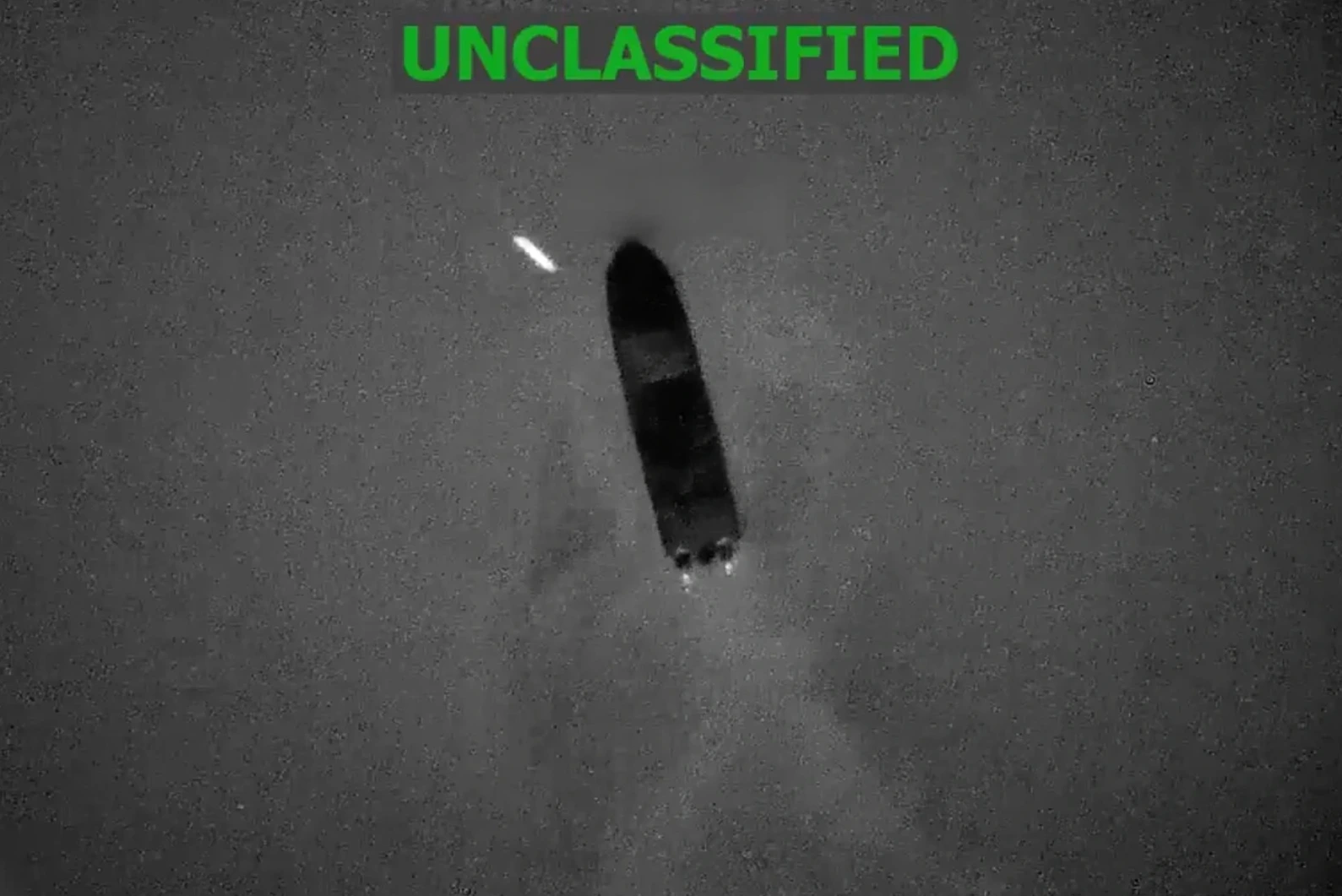
The United States has been sinking vessels in the Caribbean associated with narco-terrorism for months.
“As seen with the attacks on drug traffickers' vessels, the updating of drug trafficking organizations has the same effect on land. That’s why we are working with Ecuador, Colombia, and our partners to combat” those structures, he stated.
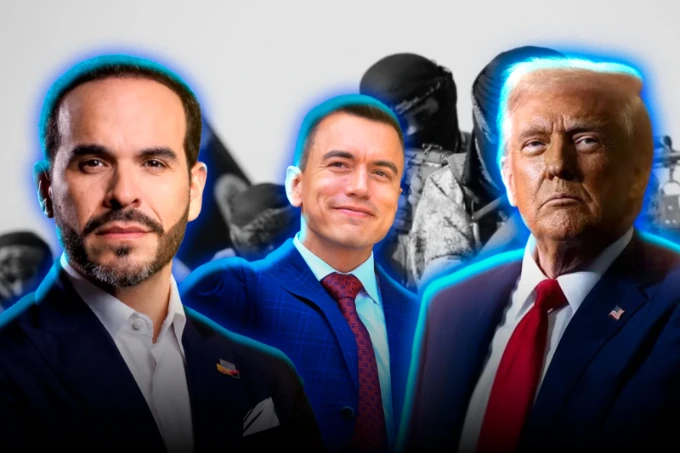
The reference to Colombia comes just days after the assumption of the right-wing Abelardo De La Espriella, who made a marked shift in the country's security policy and authorized joint military operations with the United States against narcoterrorist organizations.
Colombia will also join the Coalition Against the Cartels of the Americas, reinforcing Bogotá's new alignment with Washington following De La Espriella's rise to power. Hegseth highlighted the Colombian political change and asserted that the country “will be an incredible partner” for the United States within the regional offensive against drug trafficking.
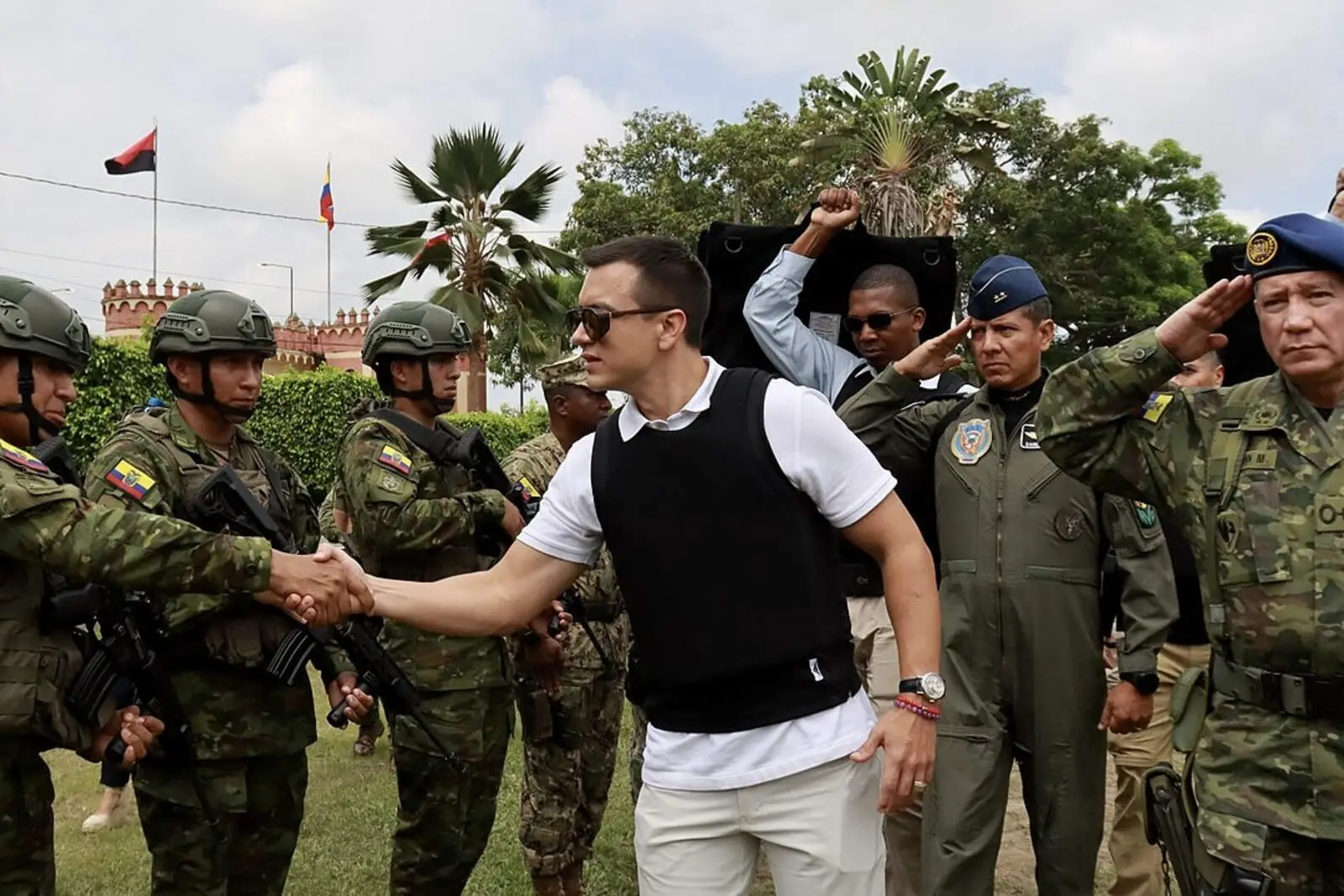
Daniel Noboa, president of Ecuador
Within this regional framework, Ecuador emerges as another key partner for Washington. The government of the right-wing Daniel Noboa has deepened cooperation with the United States against drug trafficking and was explicitly mentioned by Hegseth alongside Colombia as one of the countries with which the Pentagon seeks to expand these capabilities on the ground.
The alliance already includes around twenty countries in the region, including Argentina, Chile, Paraguay, Peru, Panama, Ecuador, and various nations from Central America and the Caribbean. With this framework, the administration of Donald Trump aims to coordinate a continental offensive against drug trafficking and narcoterrorist networks.