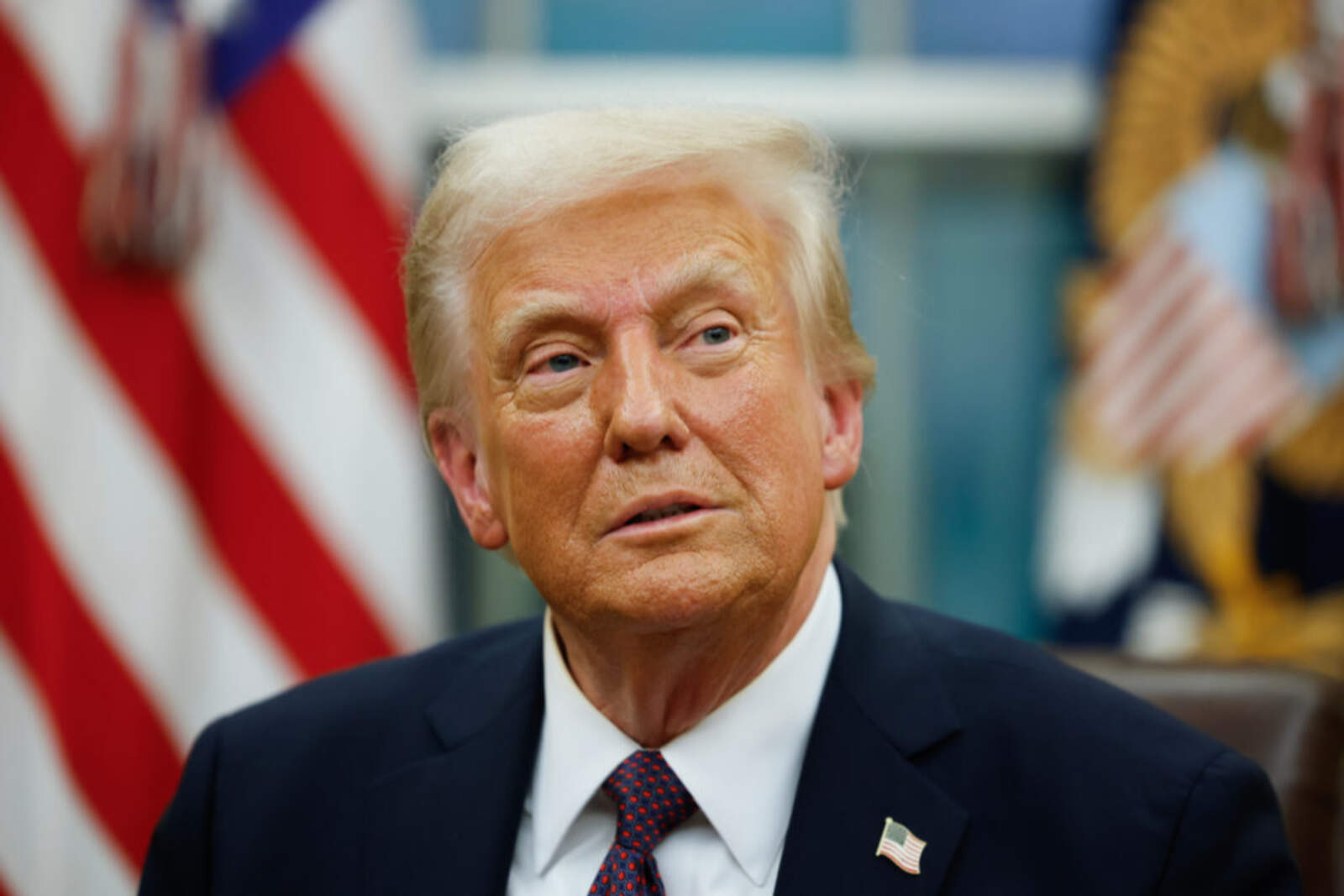
Donald Trump's administration decided not to politically support María Corina Machado as a possible replacement for Nicolás Maduro. The decision came after an internal assessment of the risks of greater United States intervention in Venezuela.
The conclusion was not linked to an alleged "resentment" over the winner of the Nobel Peace Prize, as was said on social media, but to a strategic analysis of costs, stability, and the opposition's real capacity.
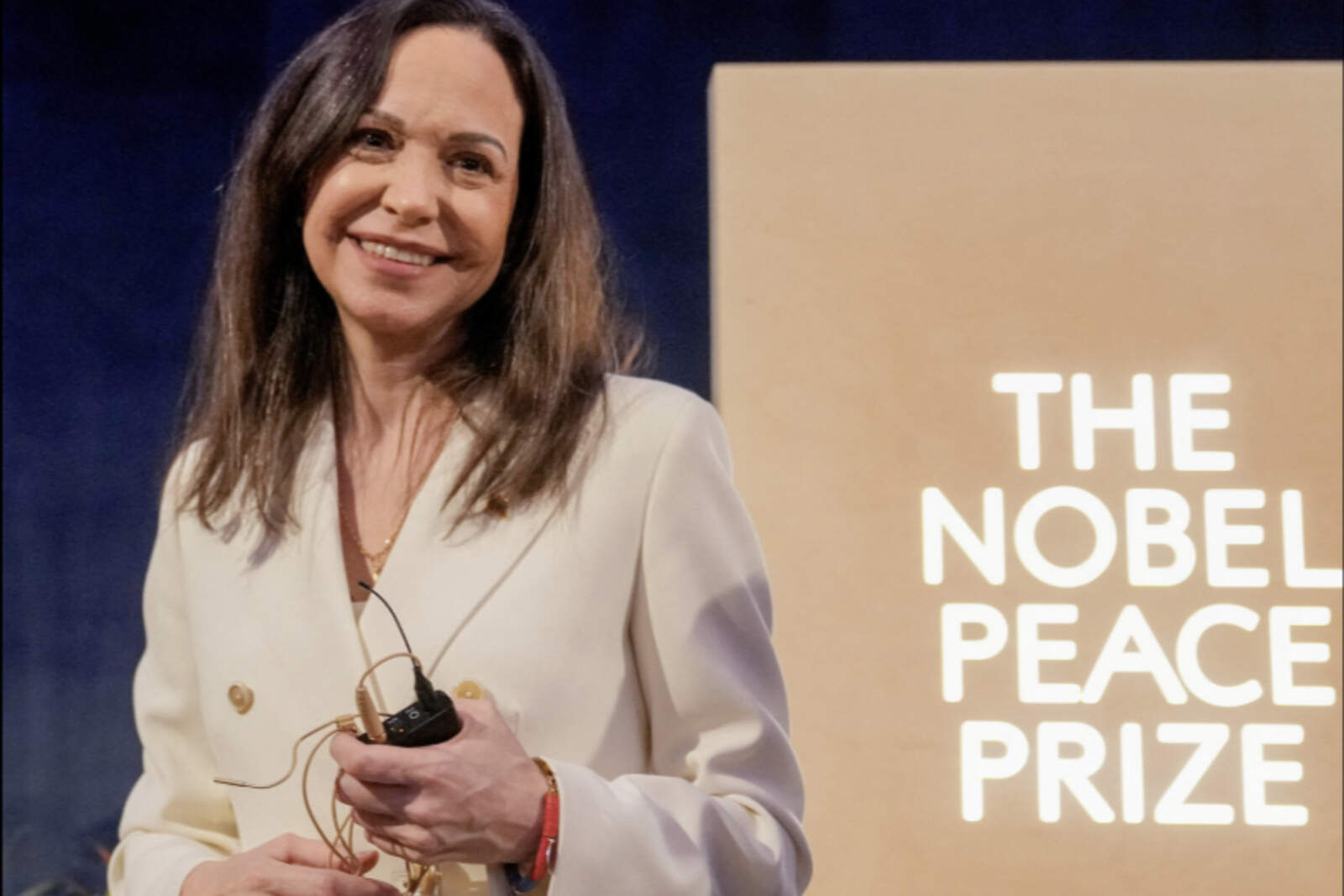
Corina Machado ganó eñ Nobel de la Paz por su lucha democrática en Venezuela
First, Trump was persuaded by senior officials in his administration, including Secretary of State Marco Rubio. They warned that explicit support for the opposition could generate greater destabilization and force Washington to expand its military presence in the neighboring country.
A classified intelligence report from the CIA matched that assessment. The White House considered that it was not willing to commit more resources after the operation that led to Maduro's capture.
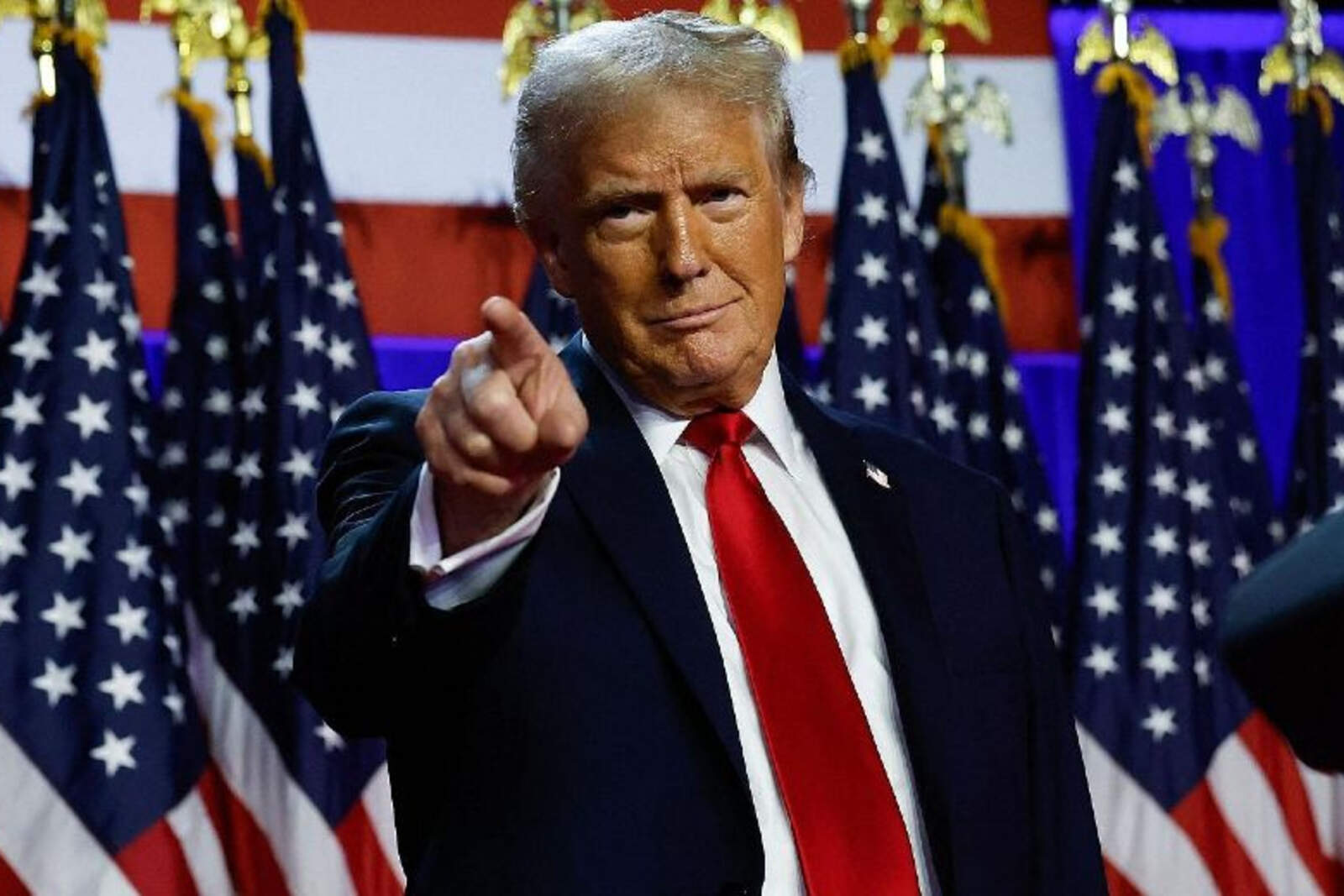
Trump prometió al pueblo cubano que buscará ayudarlo a liberarse de la tiranía comunista que actualmente los azota
Divergent assessments of the regime's strength
Another point highlighted by the U.S. newspaper was the growing frustration of U.S. officials with the assessments they received from Machado about the strength of the Chavista regime. Doubts began to arise in Washington about the accuracy of those assessments, and about the opposition's effective capacity to achieve a change of power.
From the perspective of the Trump administration, the Venezuelan situation required not only political will, but also leadership capable of clearly reading the situation and managing political timing in an extremely complex scenario.
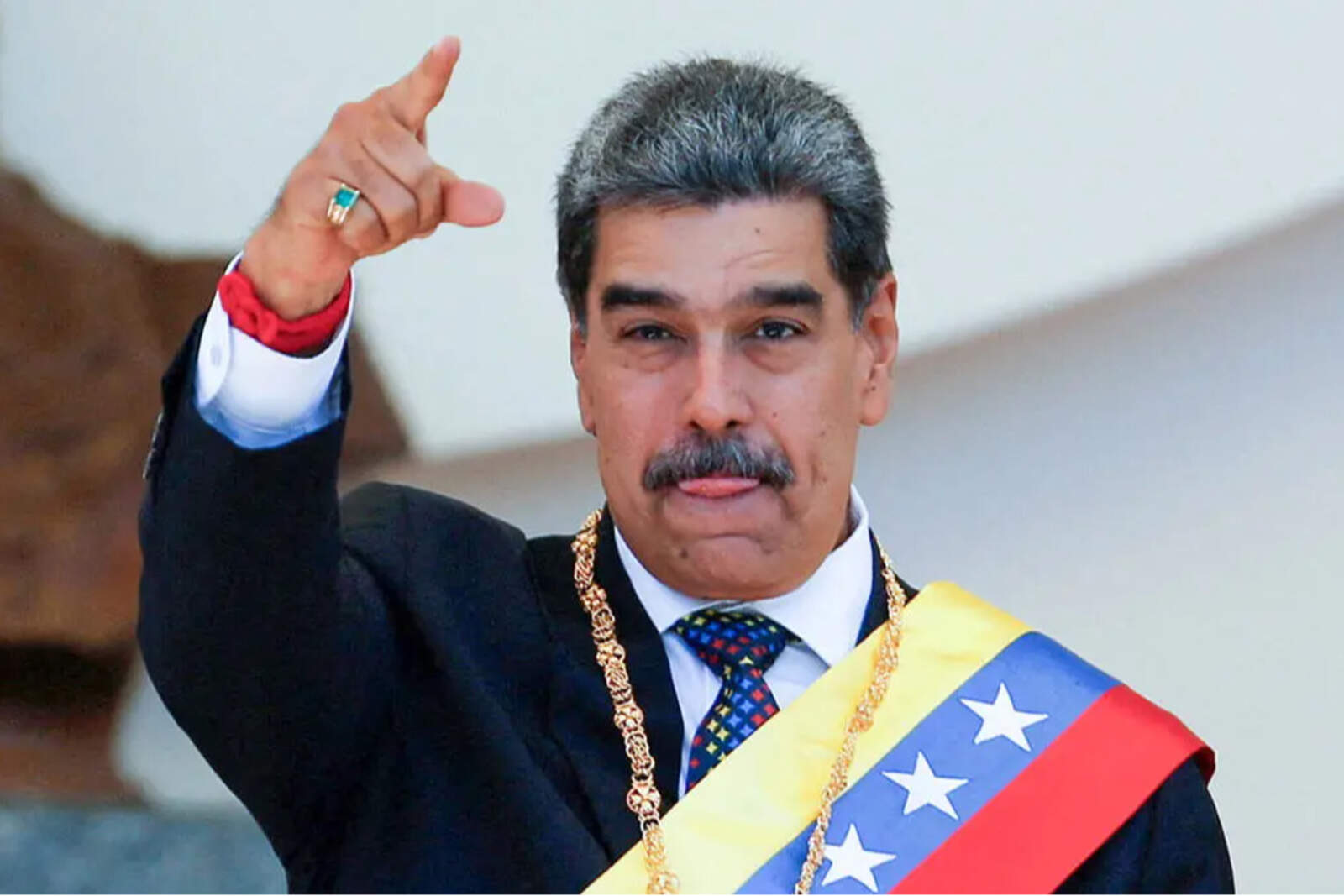
Nicolás Maduro fue capturado junto a su esposa alrededor de las 2 de la mañana de la hora local venezolana
Grenell's role and the unfinished efforts
In that context, Richard Grenell, Trump's special envoy, held meetings with Machado's representatives. During those contacts, he requested two specific elements: an in-person meeting with the opposition leader in Caracas and a list of political prisoners whose release the United States could demand from the regime.
However, the meeting never took place and the requested list was not submitted. Machado, despite the security guarantees offered by the U.S. delegation, decided not to meet with Grenell. As time went by, this lack of progress deteriorated the relationship between both parties and reduced Washington's room for diplomatic maneuver.
El gobierno de Trump confirmó la imputación de crímenes a Maduro en los Estados Unidos
The electoral scenario and the lack of a defined plan
After Machado's disqualification, Grenell also pushed for a clear plan to be detailed to bring substitute candidate Edmundo González to power. According to the sources cited by the NYT, the absence of a concrete strategy to ensure that a possible electoral victory would translate into a real transition caused skepticism in the White House.
U.S. officials considered that international pressure, without a well-defined political plan within Venezuela, was not enough to force a regime change. This was especially true in the face of a government willing to ignore adverse electoral results.
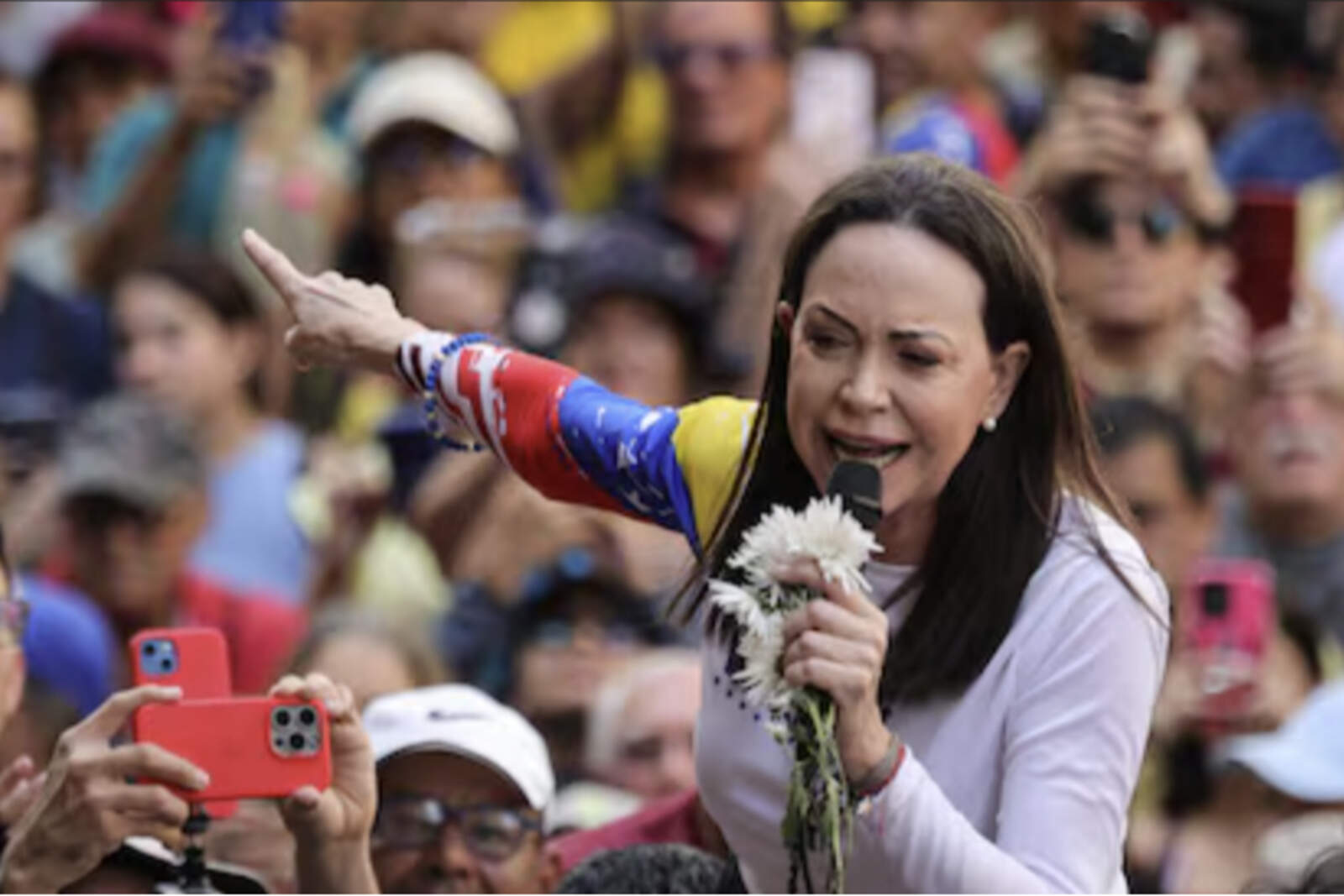
Corina Machado en campaña por la presidencia
Sanctions, dialogue, and internal tensions
The report also highlights the differences over the approach to sanctions and dialogue. Machado's categorical rejection of any type of contact with Maduro's government limited her ability to build a broader coalition, both domestically and internationally.
In addition, her unequivocal support for economic sanctions deteriorated her relationship with Venezuelan business sectors that, after decades of Chavismo, had established survival mechanisms under the regime. For Washington, that factor also affected the viability of a possible transition process.
Machado's economic advisers went so far as to argue that every dollar that entered Venezuela strengthened the regime. That stance ended up alienating actors in civil society who operate inside the country and who seek to improve living conditions without openly confronting those in power.
The final assessment in Washington
Political scientist Orlando J. Pérez, professor of Political Science at the University of North Texas, summarized the assessment that prevailed in the United States: "The Venezuelan opposition doesn't control institutions or possess real levers of power, and without direct external assistance its chances of gaining access to government are limited."
Under that scenario, Trump chose a prudent and pragmatic strategy. He prioritized cost control, regional stability, and the United States' strategic interests over political support without guarantees of concrete results.