The president of the French Football Federation was unanimously elected as the candidate of the European body for the elections of the governing body of world football
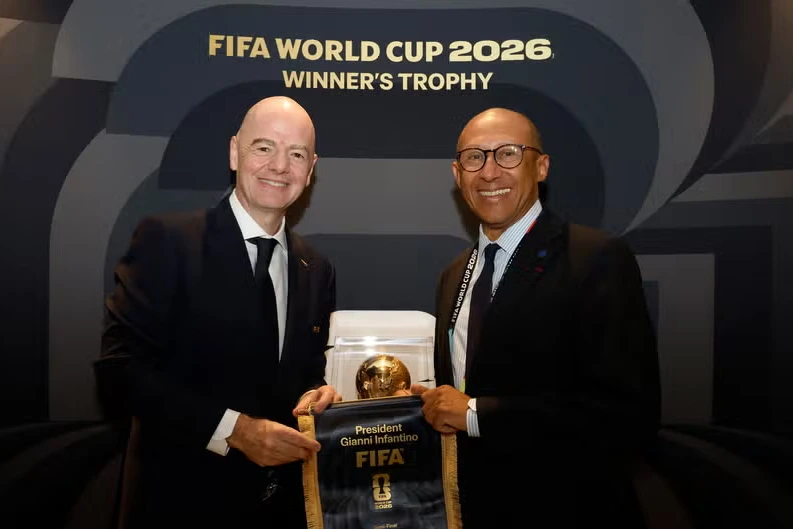
The continuity ofGianni Infantino at the helm of FIFA, after a decade in power, will face a new obstacle. Amid differences over the institutional direction of the organization, UEFA decided to promote its own candidacy and found in Philippe Diallo, current president of the French Football Federation (FFF), the leader chosen to compete for the highest position in world football.
The decision was made during a meeting led by Aleksander Čeferin, president of the continental organization, in which the national federations represented in the Executive Committee of the European body and in the FIFA Council invited the French leader to present his candidacy. According to the entity's official statement, Diallo received "unanimous full support".
The candidate himself accepted the proposal, although his nomination still needs to be formally ratified by the Executive Committee of the FFF, which is scheduled to meet this Tuesday.
Who is Philippe Diallo
The French leader has presided over the FFF since 2023 and was re-elected in December 2024 to continue for another four years. His career in sports management includes positions in the organization representing professional clubs in France, participation in the governing structure of his country's league, and experience in FIFA dispute resolution bodies. Additionally, he has been part of the UEFA Executive Committee since 2023, a position that has allowed him to consolidate his presence within international leadership.
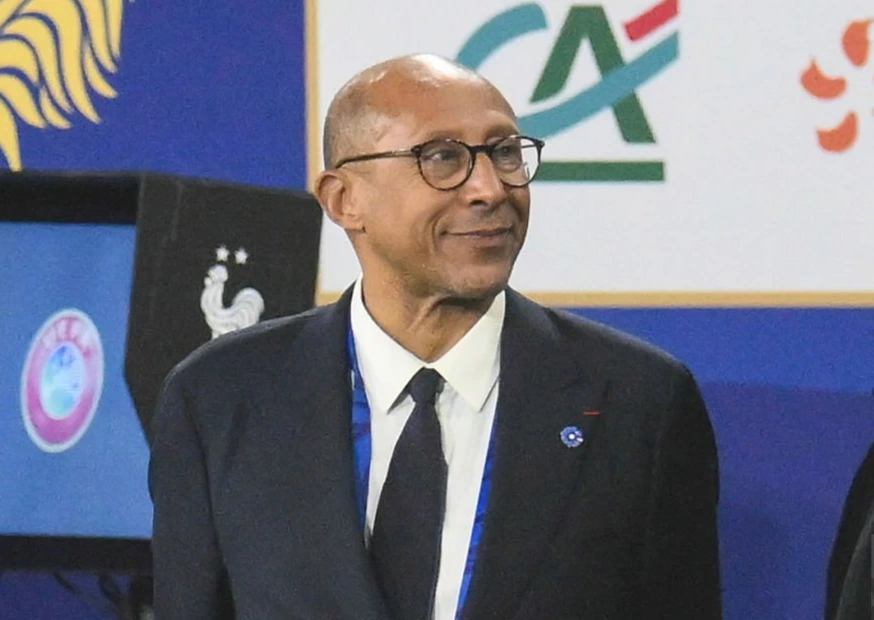
Diallo will be the UEFA candidate in the next FIFA elections
In its statement, the European organization highlighted this background to justify its choice: "Philippe Diallo has extensive experience at all levels of football". It also expressed its "full confidence" in the Frenchman to lead the changes it deems necessary in the governance of the governing body.
Among the objectives set by the entity is a FIFA that prioritizes the development of this sport in all regions, guarantees high governance standards, and strengthens ties with federations and confederations.
The conflict with Infantino that deepened the division
Diallo's candidacy did not arise in isolation, but is a consequence of a series of disagreements between the French leadership and the FIFA president. One of the main points of friction was the FIFA Forward Enterprise (FFE) project, an initiative that contemplated the creation of a commercial structure with participation from private investors and businesses linked to World Cup rights. The proposal raised questions due to the lack of information and transparency in the process. Although it was ultimately withdrawn due to the resistance it generated, the differences between both parties did not disappear.
In this context, in September the French Federation announced that it withdrew its support for a potential re-election of Infantino. Diallo then criticized the initiatives promoted by the leader and considered that they had seriously harmed the image and unity of football. He also stated that trust in the FIFA president had been broken.
The other candidates and the electoral landscape
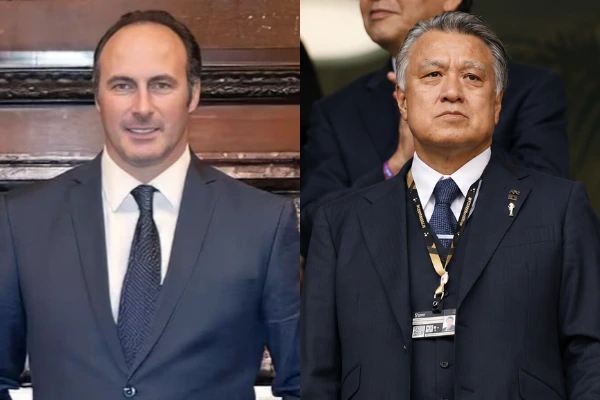
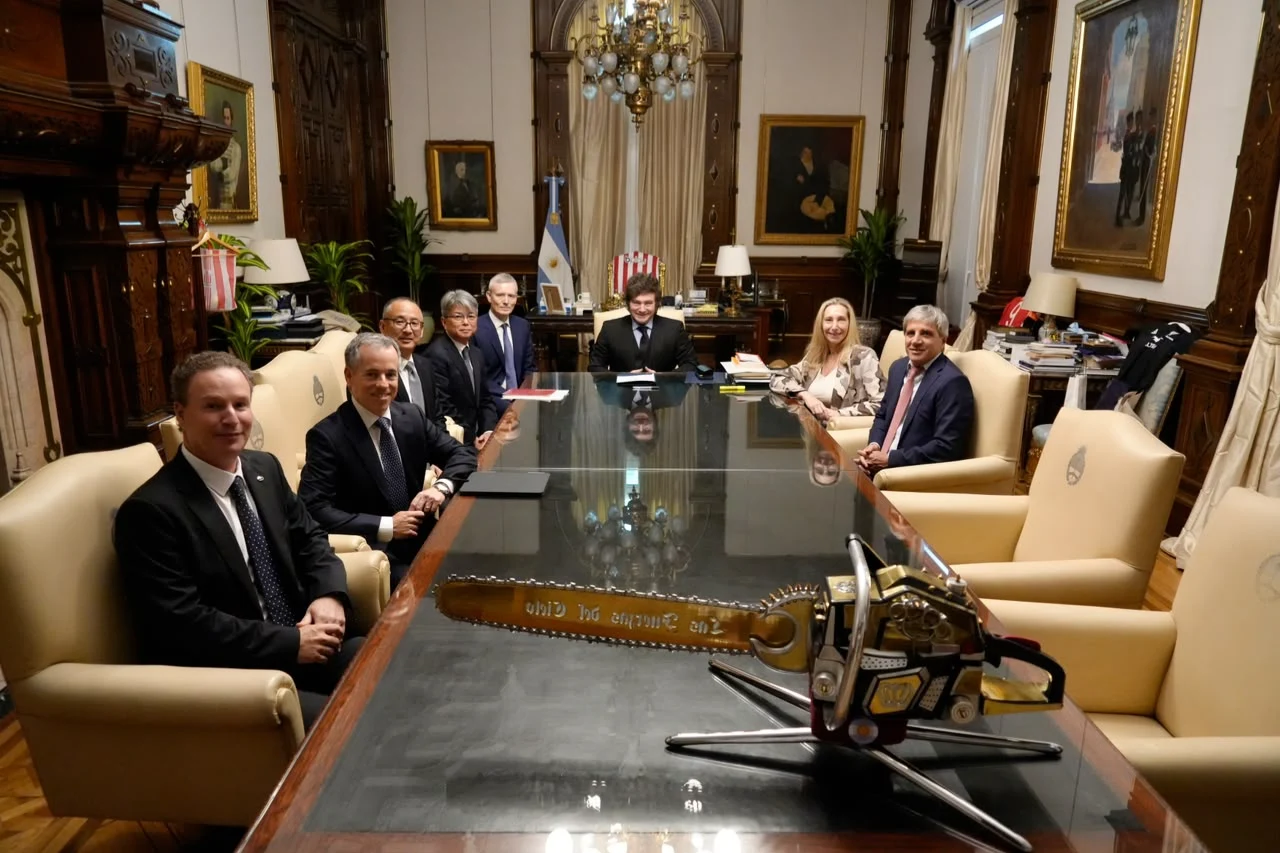
Diallo will not be the only competitor against Infantino in the race for the presidency. In recent days, the former Swiss footballerRamón Vega and the JapaneseKozo Tashima, former president of the Japanese Football Federation (JFA) and former member of his country's governing structure, also expressed their intention to participate.
In the months leading up to this, the name of Arsène Wenger, historic coach of Arsenal and current director of Global Football Development at FIFA, had also been mentioned as a possible alternative promoted from Europe. However, he ultimately declined to get involved in the dispute.
Ramón Vega and Kozo Tashima are the other two confirmed candidates for the next FIFA elections
For his part, Infantino has significant support outside the Old Continent: the confederations of South America (CONMEBOL), Africa (CAF), Asia (AFC), and Oceania (OFC) have expressed their support for his continuity. On the opposing side, alongside the European entity, CONCACAF (North America, Central America, and the Caribbean) has also raised objections to his management.
The electoral calendar states that candidates must submit their nominations by Wednesday, November 18, at midnight Central European Time. To be eligible, they will need the endorsement of at least five of the 211 member federations of FIFA and must pass the eligibility checks of the Electoral Commission.
The voting will take place on March 18, 2027 in Rabat, Morocco, as part of the 77th FIFA Congress. There it will be determined whether Infantino manages to extend his term or if his opponents can gather the necessary support to impose a change in the governance of world football.