Researchers separated microbes from their time from those that arrived later and found original gut bacteria alongside cold-adapted yeasts that may have accompanied it in the glacier
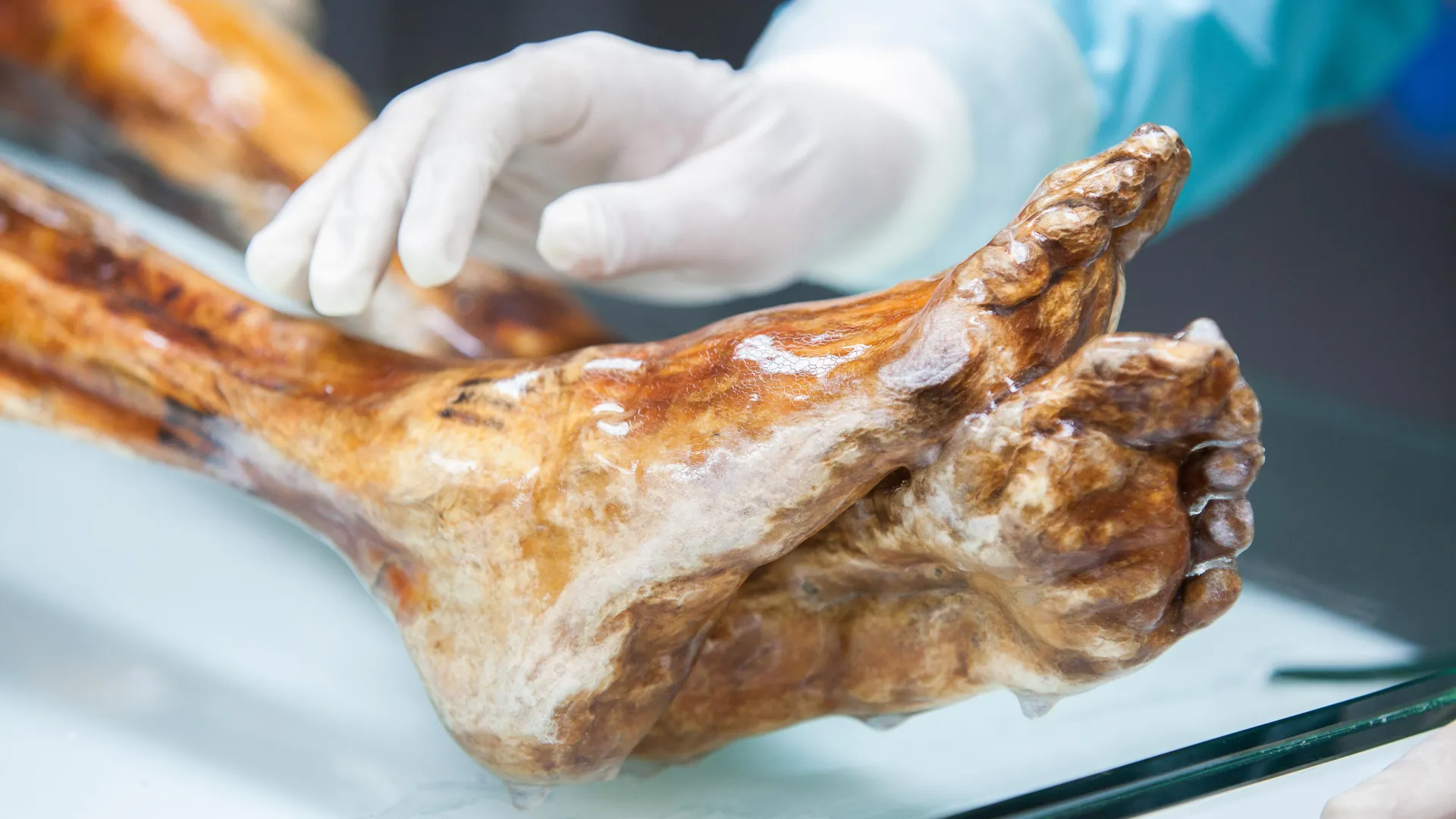
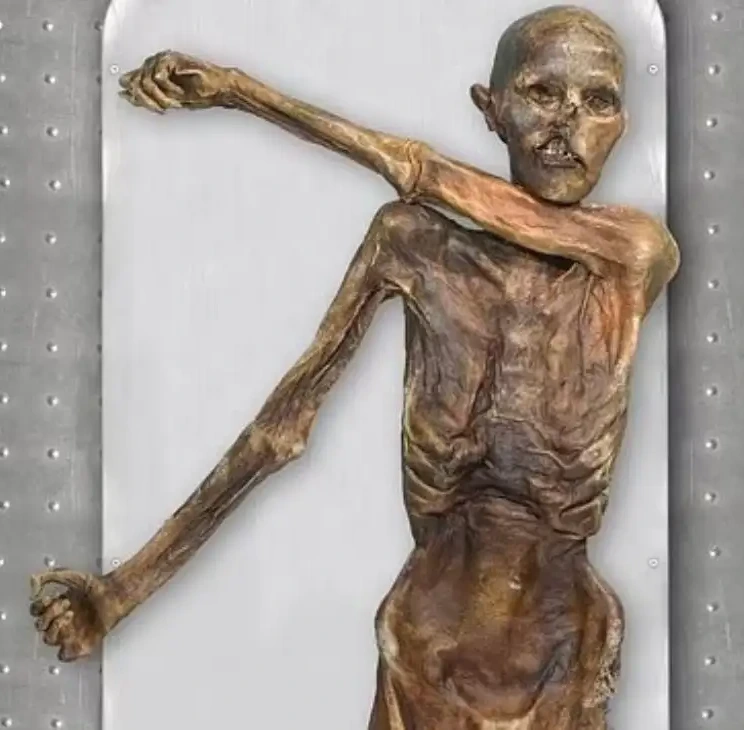
More than five thousand years after his death, Ötzi the Iceman still harbors a remarkable mix of ancient and modern microorganisms. A research team managed to distinguish which of these living beings were part of his body in life and which settled afterward, either in the glacier or during the decades of current preservation.
The analyses included ice from the surface of the mummy, meltwater from the interior, swabs, and material from intestinal and stomach tissues. A soil sample from the discovery site, kept frozen since 1991, was also studied. Genetic traces of Ötzi's original gut flora appeared in those remains.
This microbial community resembles the few known from early human populations. Many of these bacteria are rare in people from today's industrialized societies. That is why the mummy offers an uncommon window into the microorganisms that inhabited the human body millennia ago.
The most unexpected finding was cold-adapted yeast species. They appeared in skin samples, meltwater, and stomach contents. These yeasts are related to strains from extreme places like Antarctica, reinforcing the idea that they originated from the glacier and may have remained alongside Ötzi for thousands of years.
A dynamic biological system
The researchers detected both highly degraded ancient DNA and well-preserved genetic material. This combination indicates that the microorganisms are not just remnants of the past: they are still present under the current storage conditions, at minus six degrees and with high humidity. Some may be in a dormant state.
“We see continuity here,” explains Frank Maixner, director of the Institute for Mummy Studies at Eurac Research. “These yeasts accompanied Ötzi on his long journey through the millennia.” According to the researcher, the mummy is not a static relic but a dynamic biological system.
Three of the four yeast species have the genetic capacity to degrade phenol. That compound was used after the discovery to eliminate fungi from the surface. It is possible that some have utilized the substance as a food source. Microbiologist Mohamed S. Sarhan, the lead author of the study, points out that the microbiome of a mummy is unique because it combines microbes over five thousand years old with others introduced since the discovery.
The South Tyrol Archaeological Museum takes care of Ötzi's preservation and continuously monitors his condition. Current conditions are very stable, but specialists warn that more research is still needed to understand how glacial mummies are preserved over time.
Possible uses beyond archaeology
The study, published in the journal Microbiome, could help improve the conservation methods of Ötzi and other ancient remains. It also opens doors to practical applications. Cold-adapted microorganisms function at temperatures that slow down or stop many other species.
This capability makes them interesting for industrial processes that require less energy, such as low-temperature fermentations.