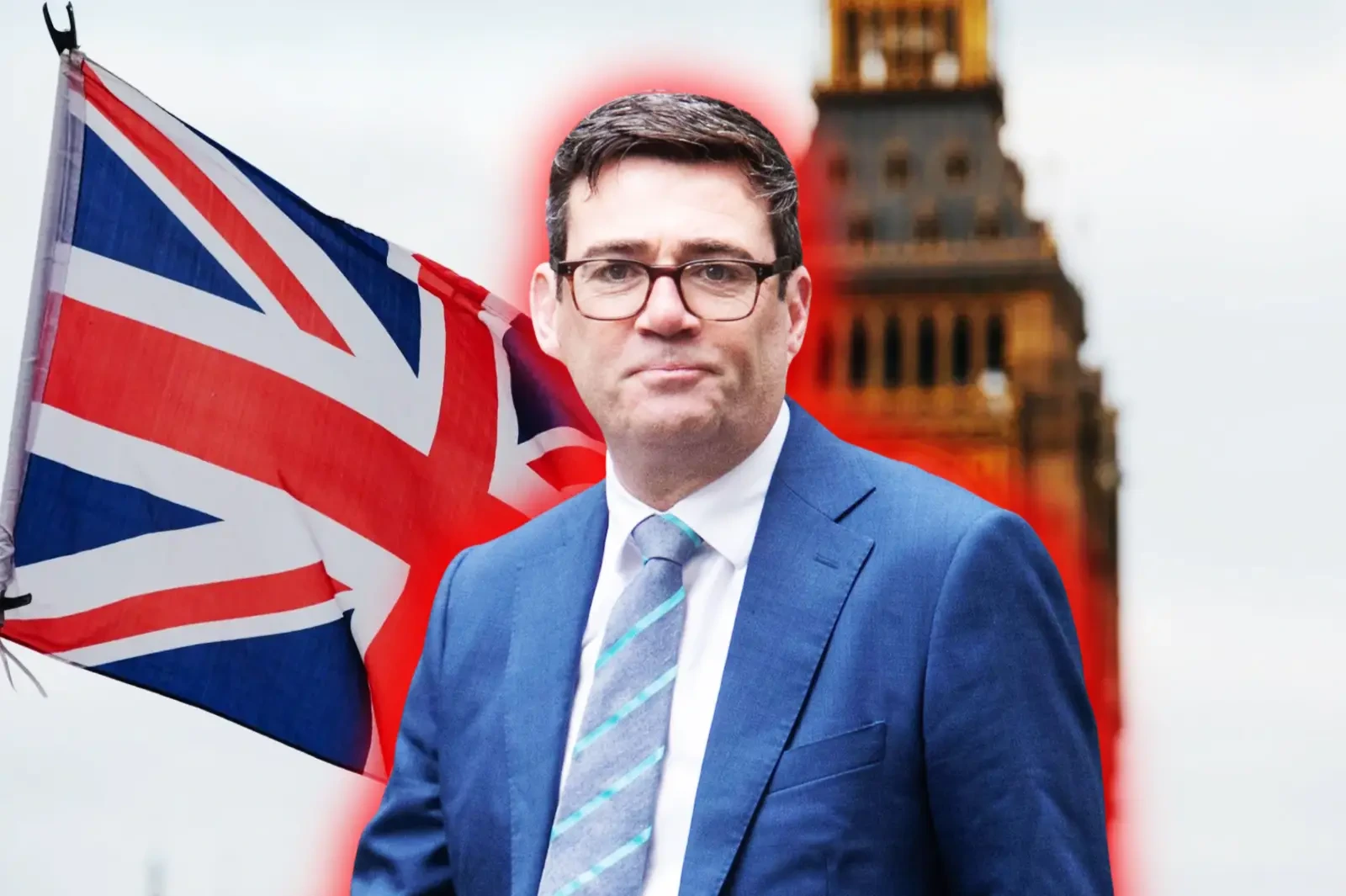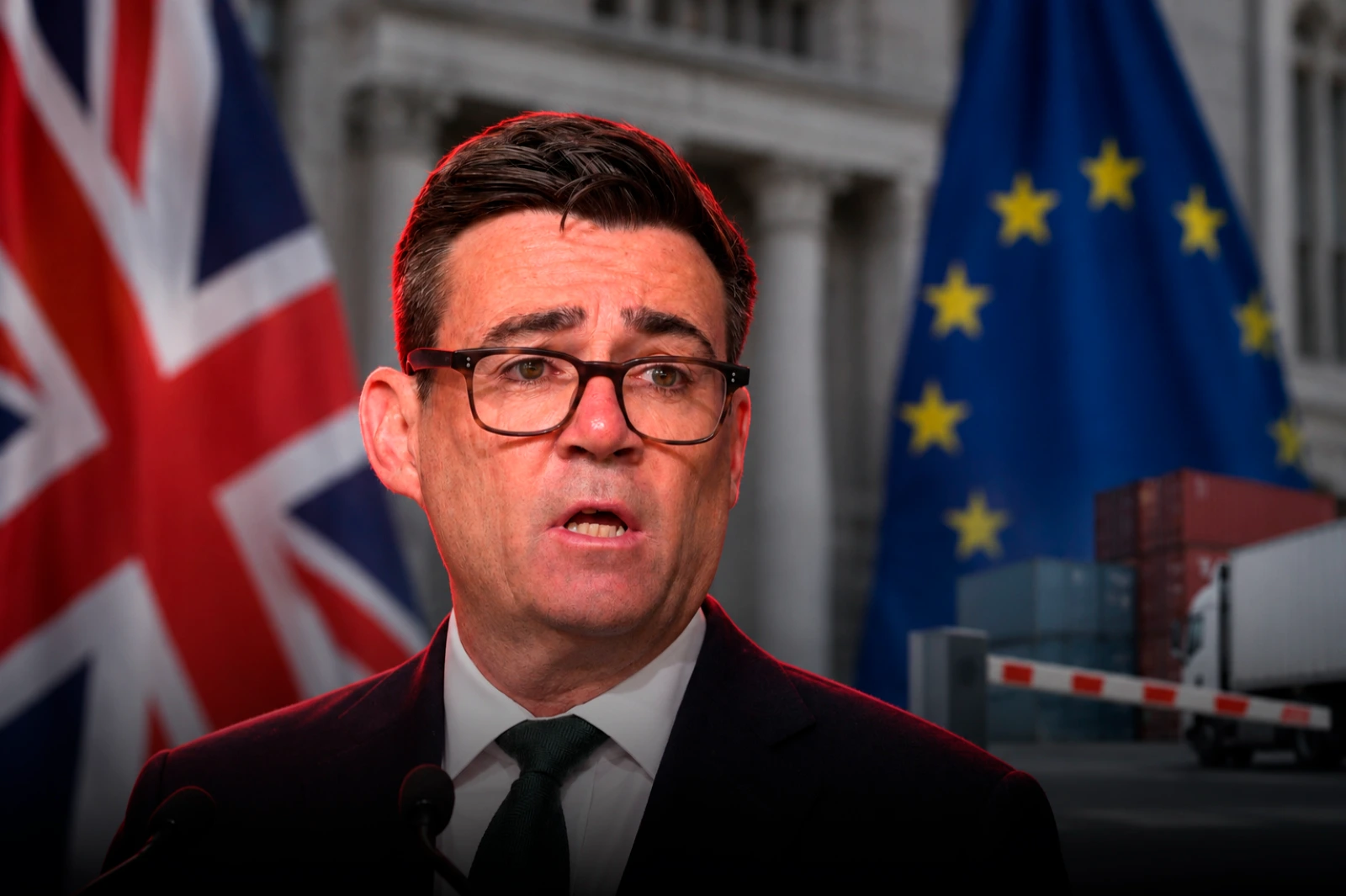

The Labour government of the United Kingdom, led by Prime Minister Andy Burnham, reached an agreement with the European Union (EU) on Friday, November 20, to eliminate some of the trade and immigration restrictions established after Brexit, in a new political rapprochement between London and Brussels, ten years after the referendum that determined the UK's exit from the community bloc.
The understanding, negotiated during a summit in Brussels with representatives from the 27 member states, includes facilitating the trade of food and beverages, establishing a youth mobility program, and deepening energy and environmental cooperation. However, its implementation still faces obstacles, mainly due to differences regarding the university fees that European students must pay in British territory.
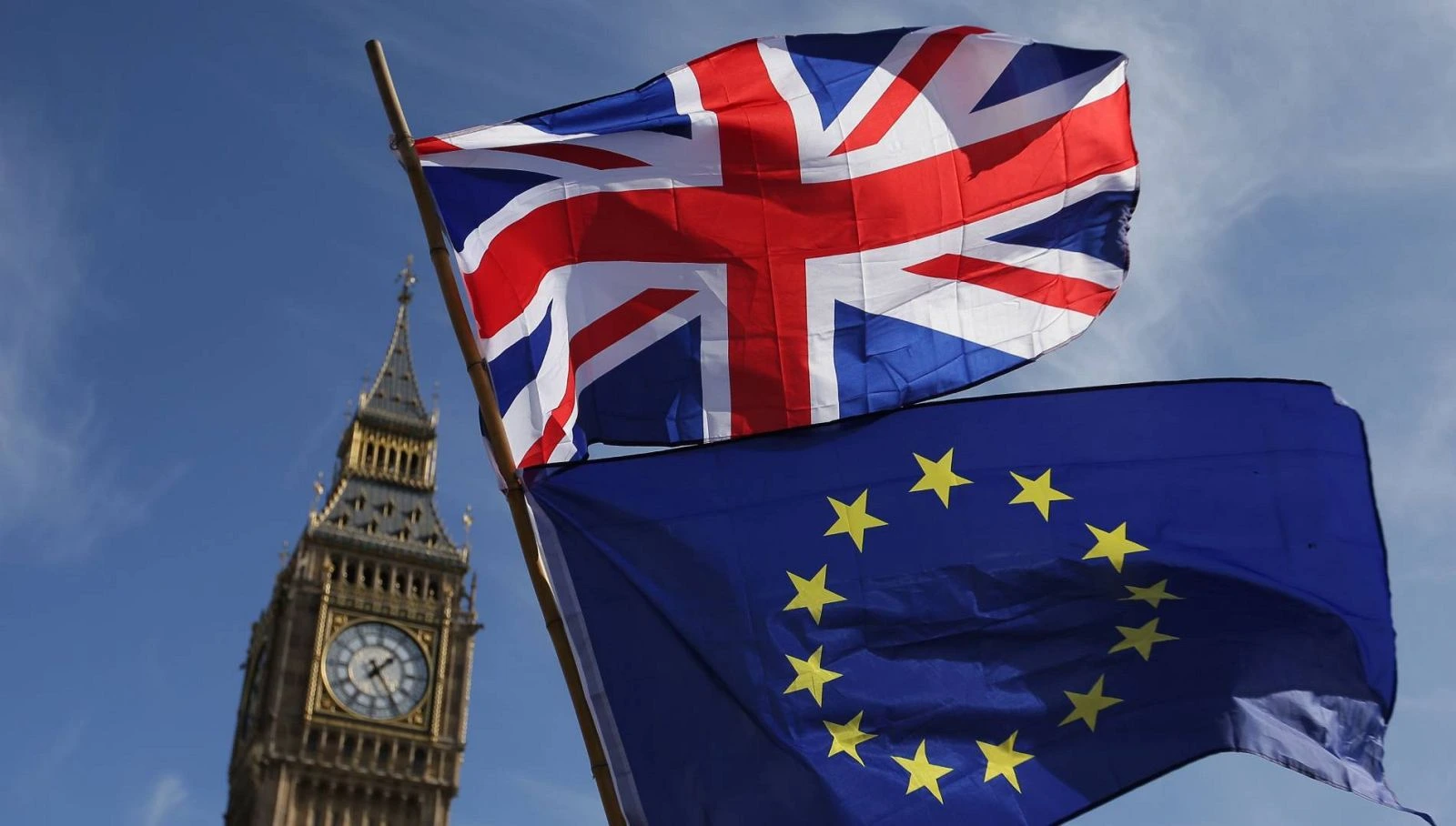
One of the most important changes will be the launch of a mobility system that will allow up to 100,000 annual visas for European citizens aged between 18 and 31, who will be able to work and study temporarily in the UK. The mechanism will also benefit Britons who wish to move to community countries. Although the Labour government maintains that it does not represent a return to the free movement prior to Brexit, the initiative partially recovers mobility opportunities that had been restricted.