








United States discovered a gigantic lithium deposit in Nevada and China's dominance is shaking
The United States found a large lithium deposit and put China's control over the minerals market at risk
porEditorial Team
Argentina
A huge lithium deposit was found in the border region of the states of Nevada and Oregon, putting China's dominance in mineral production at risk
A gigantic lithium deposit, potentially valued at 1.5 trillion dollars, has been identified beneath an ancient volcanic formation in the western United States, according to reports.
The discovery is located in the McDermitt Caldera region, a supercaldera formed approximately 16.4 million years ago, situated between the states of Nevada and Oregon.
The deposit is concentrated especially in the area known as Thacker Pass, where geological studies have confirmed measured and inferred resources of hundreds of millions of tons of clay-rich ore with significant lithium content.
Initial estimates indicate that in this area alone there could be more than 1.5 million tons of contained mineral, although broader assessments suggest that the total figure across the entire caldera could be considerably higher.
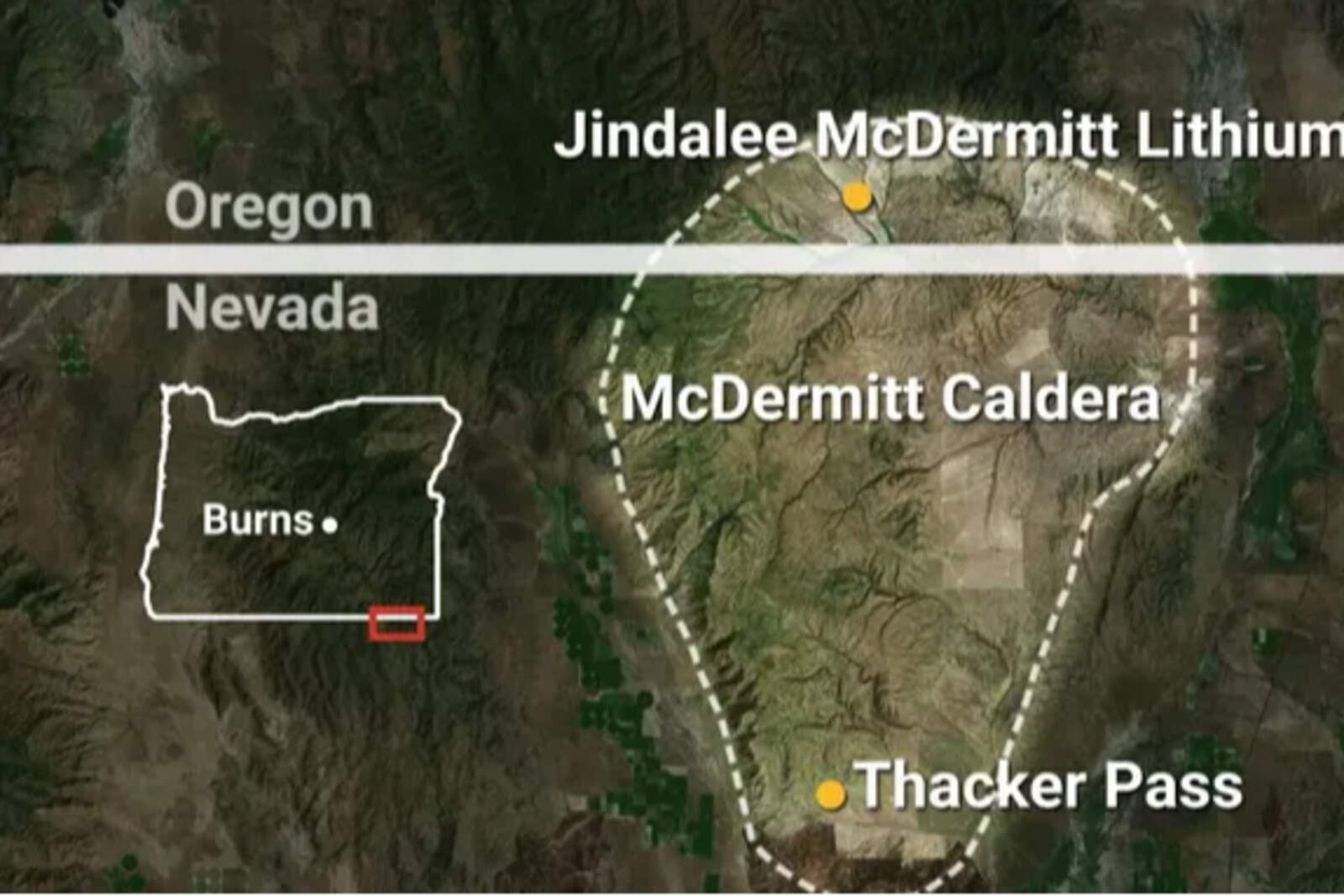
La reserva de Litio se encuentra en la región de la Caldera McDermitt, en el límite entre Oregón y Nevada
The identified lithium is found mainly in clay deposits formed after the collapse of the ancient volcano. Over millions of years, volcanic sediments were transformed through chemical and geothermal processes that concentrated the lithium in minerals such as illite and smectite.
This type of deposit, known as clay-hosted lithium, differs from the traditional sources of the mineral, which usually come from brines in salt flats or from hard-rock pegmatites.
If the most optimistic estimates are confirmed, the deposit could contain between 20 and 40 million metric tons of lithium, which would make it one of the largest known resources worldwide.
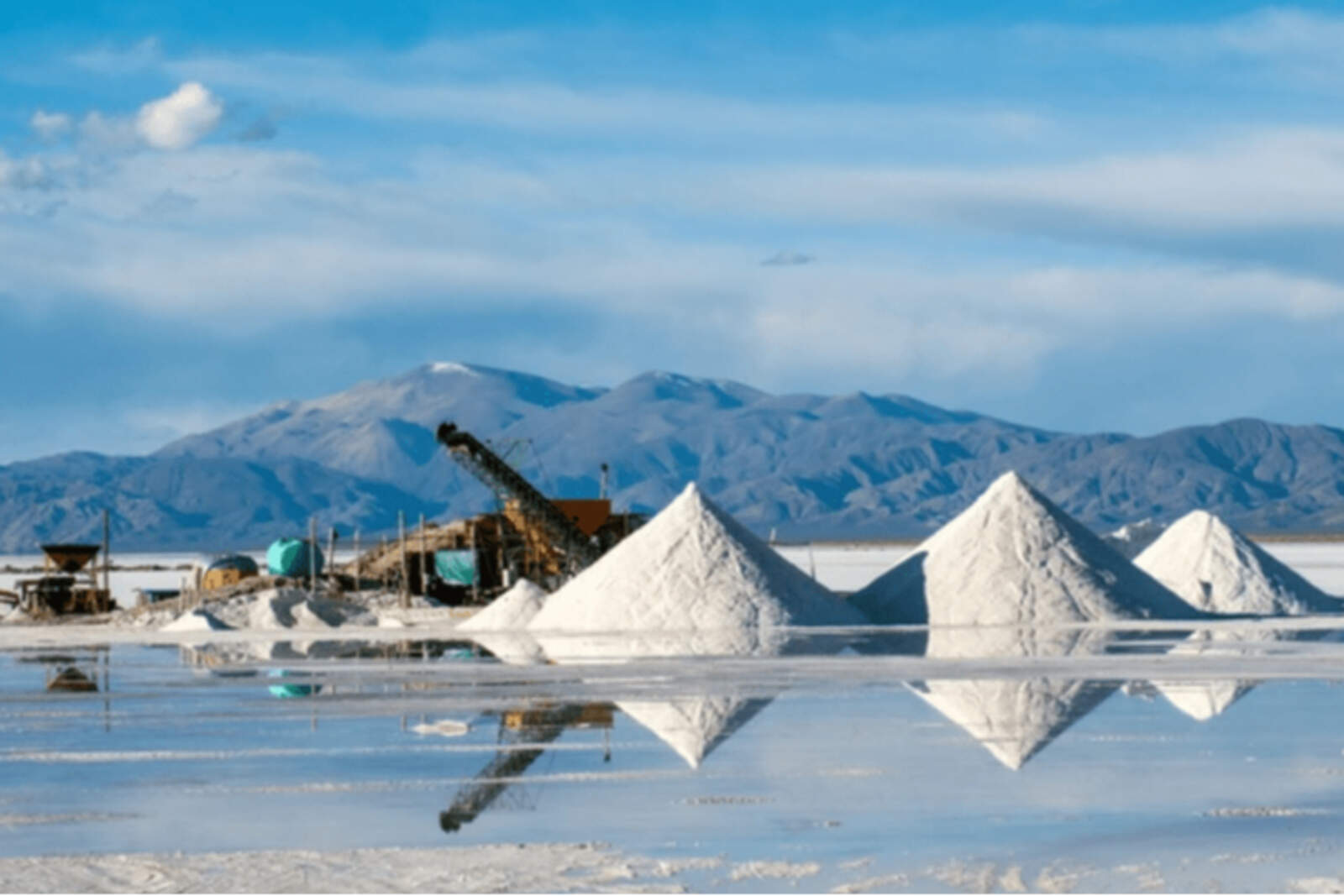
Generalmente los depósitos de litio se encuentran en grandes salares
Such volume would have the potential to alter the global market balance, at a time when demand for the mineral has surged due to the expansion of electric vehicles, renewable energy storage, and the production of electronic devices.
The strategic relevance of the discovery is considerable. Currently, a large part of the global lithium supply comes from South America and Australia, and the United States relies heavily on imports to supply its growing technology and automotive industries.
Successful development of the Thacker Pass deposit could strengthen the security of the national supply chain and reduce external dependence on a resource considered critical for the energy transition.
El descubrimiento de este yacimiento pone en riesgo la hegemonía que goza China en producción de minerales
However, the project is not free of challenges. Lithium extraction from clays is technically more complex and costly than from other types of deposits, since it requires advanced chemical processes to separate the mineral from the clay matrix. This entails significant investments in technology and mining infrastructure before the project can be considered fully profitable.
Federal and state authorities continue to evaluate the permits and environmental impact studies necessary to move forward with the development of the project. Meanwhile, the discovery reinforces lithium's strategic role in the 21st-century economy and underscores the growing global competition to secure access to critical minerals for the transition to cleaner energy sources.