The logistical map for access to Antarctica is undergoing a significant transformation following the decision by the United States to withdraw its scientific vessels from the port of Punta Arenas, Chile.
This measure, motivated by budget adjustments, not only redefines the support routes for polar research but also opens a new horizon of possibilities for Argentina, particularly for Ushuaia, which seeks to establish itself as the main connection point to the White Continent.
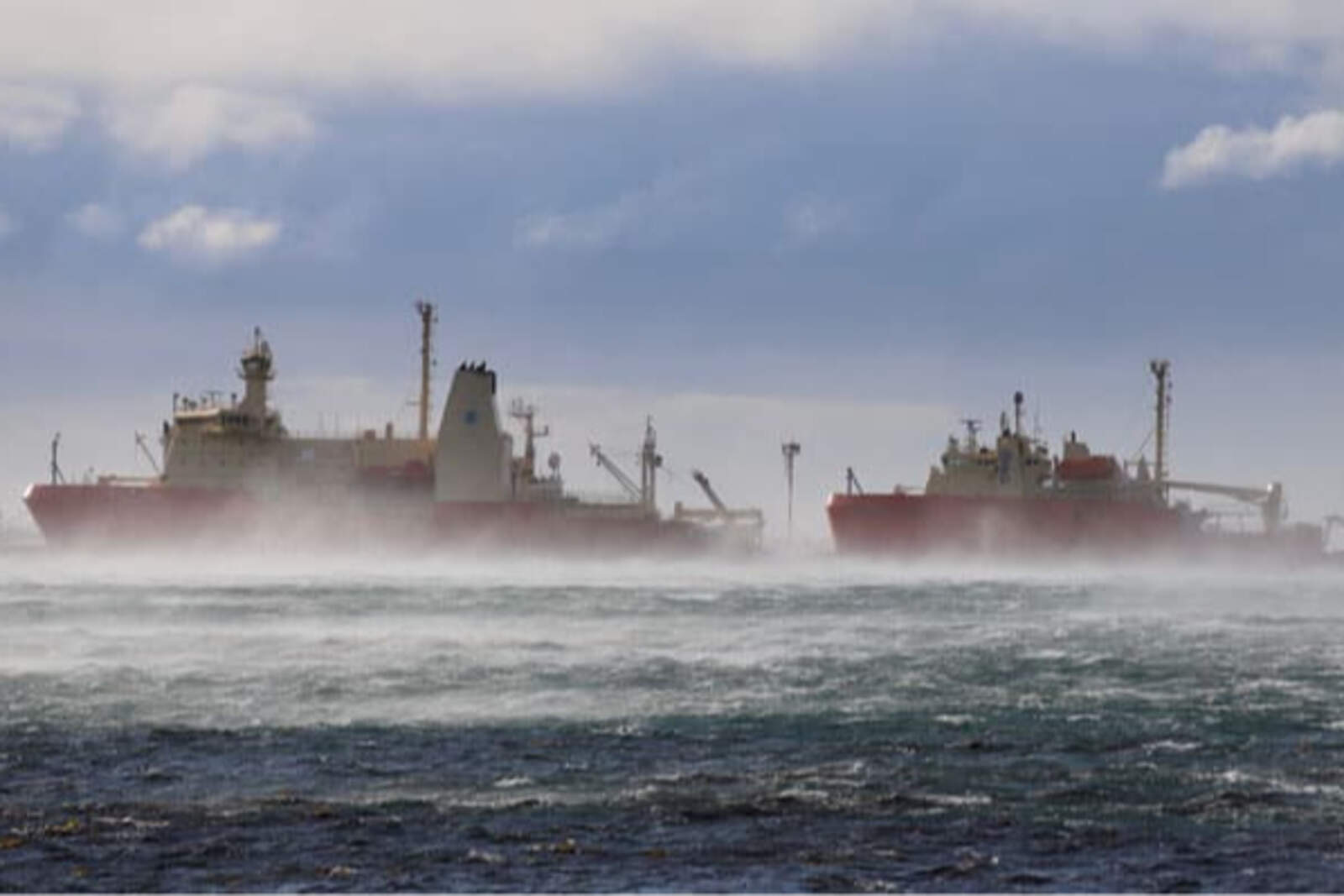
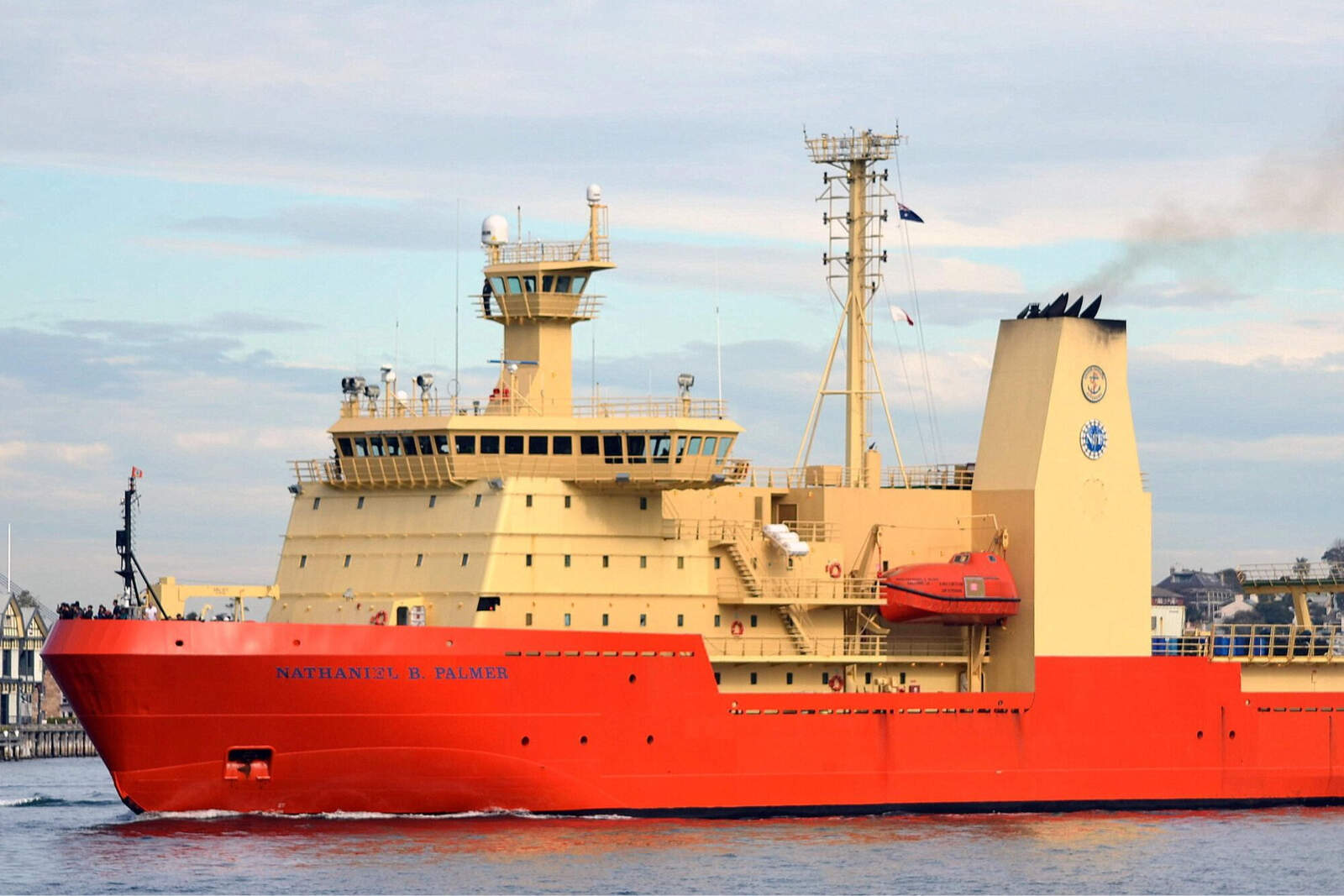
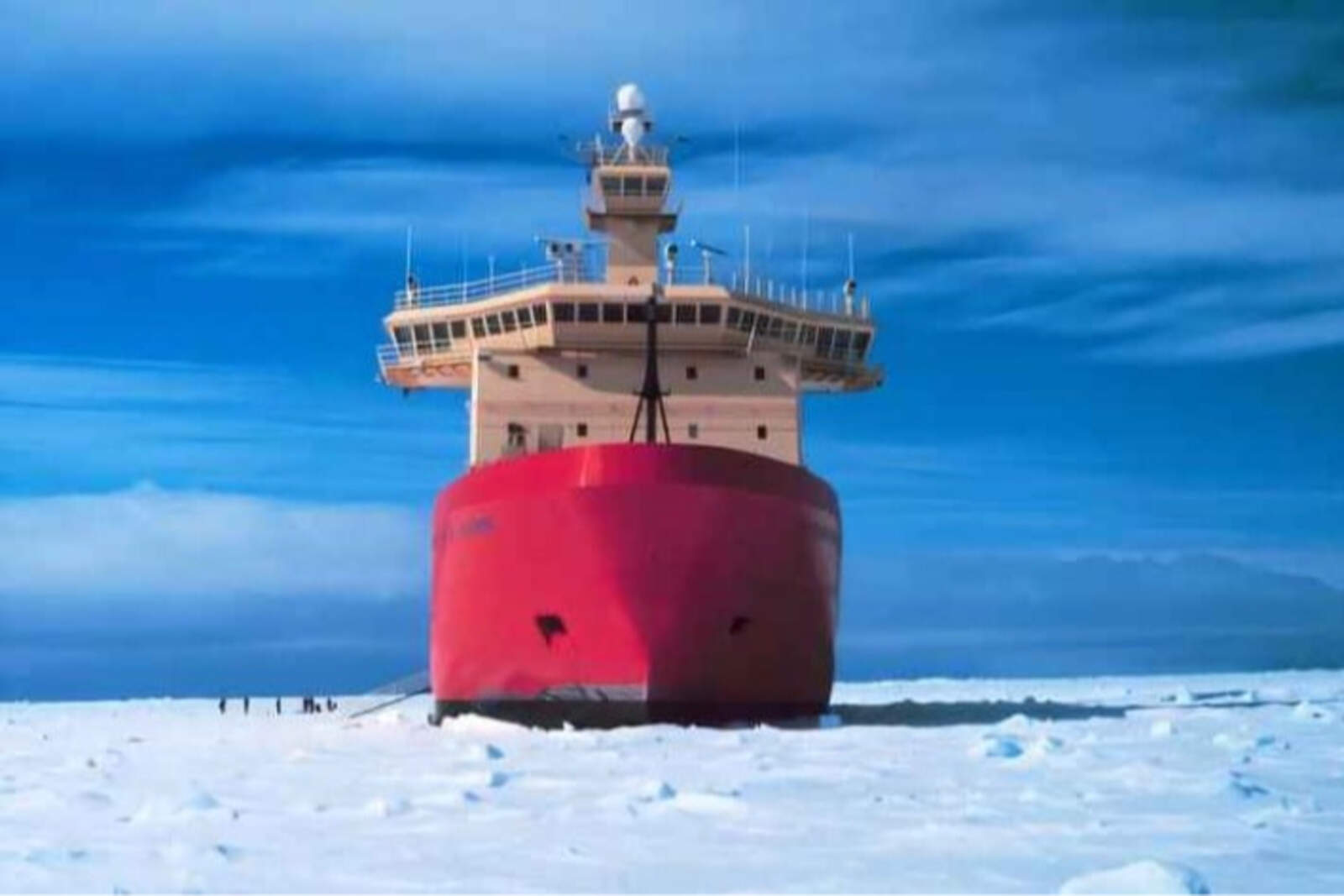
For more than thirty years, the National Science Foundation (NSF) vessels, Nathaniel B. Palmer and Laurence M. Gould, had their base of operations in the Magallanes Region, from where dozens of scientific missions departed for Antarctica.
Buque científico antártico.
That sustained presence transformed Punta Arenas into a strategic hub, generating a network of services that included fuel, lodging, transportation, and provisions for crews and researchers. According to estimates from local authorities, this activity represented annual revenues of nearly six million dollars for the regional economy.
However, the cuts implemented by President Donald Trump's administration affected the funding of the U.S. polar program, which led to the restructuring of NSF operations and the definitive departure of the vessels from the Chilean city.
The immediate consequence of this withdrawal is a redistribution of international Antarctic operations. In this context, Ushuaia emerges as the most competitive alternative to occupy the logistical space left by Punta Arenas. With an expanding port, consolidated services, and a shorter sailing distance to the Antarctic Peninsula, the Fuegian capital already plays a central role as a departure point for scientific and tourist expeditions.
Buque científico antártico.
This situation reinforces the need to advance projects such as the Antarctic Logistics Hub and the Integrated Naval Base of Ushuaia, initiatives that seek to expand Argentina's capacity to sustain operations in the region and offer services to other countries.
Regulatory predictability, tariff clarity, and service quality will be key factors in attracting future operations. If Argentina manages to establish Ushuaia as the main gateway to Antarctica, it would not only achieve a significant economic boost but also strengthen its position within the Antarctic Treaty System, reaffirming its presence in one of the planet's most strategic regions.