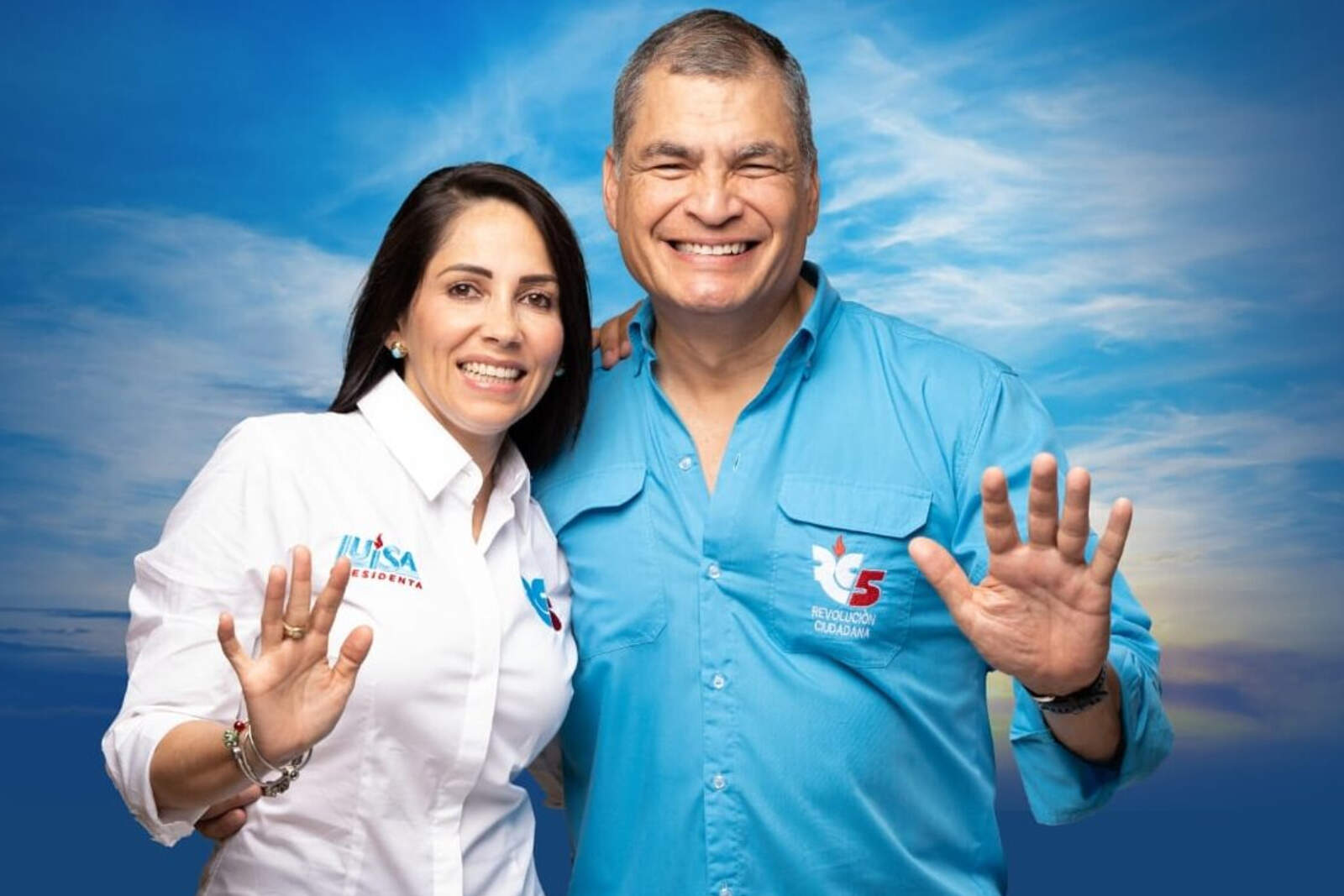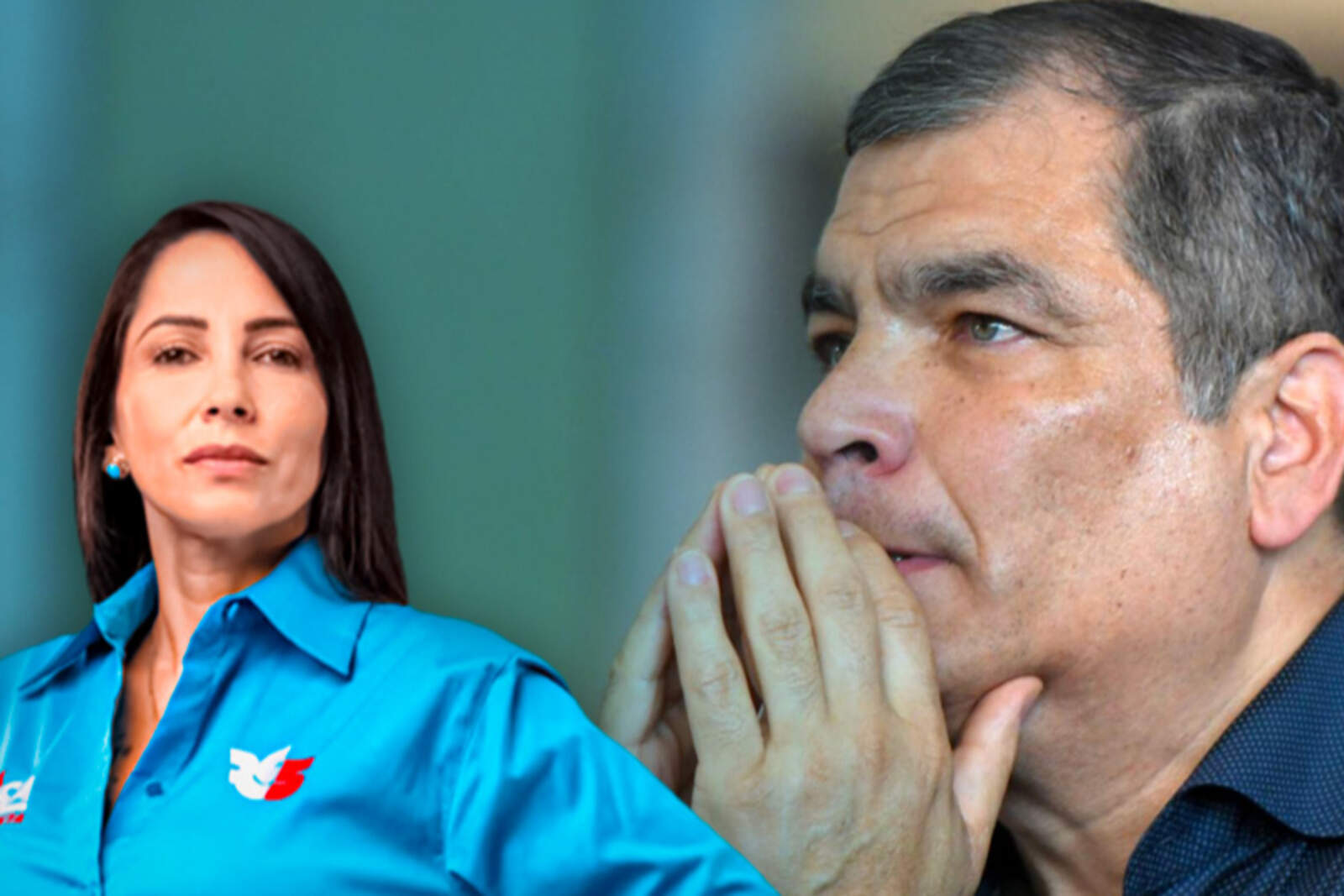

Luisa González's campaign faced serious difficulties in consolidating an image of her own before the electorate. Although she tried to present herself as an independent figure, her strategy relied on the figure of former president Rafael Correa, whose support remains the central axis of correísmo.
The narrow result of the first round forced her to seek support beyond the hard vote, without clear success. The lack of her own political capital demonstrated that her strength remains anchored in the past, failing to achieve a genuine connection with new sectors of the electorate.
The Citizen Revolution visibly reduced Correa's media exposure, although his digital presence remained active. Between January and February, the former president featured in more than 50 interviews promoted as symbolic tours around the country.
Despite her statements about governing without tutelage, González openly defended Correa's administration in the presidential debate. This double discourse reflected a central contradiction of her campaign: seeking independence without breaking with the legacy that sustains her.
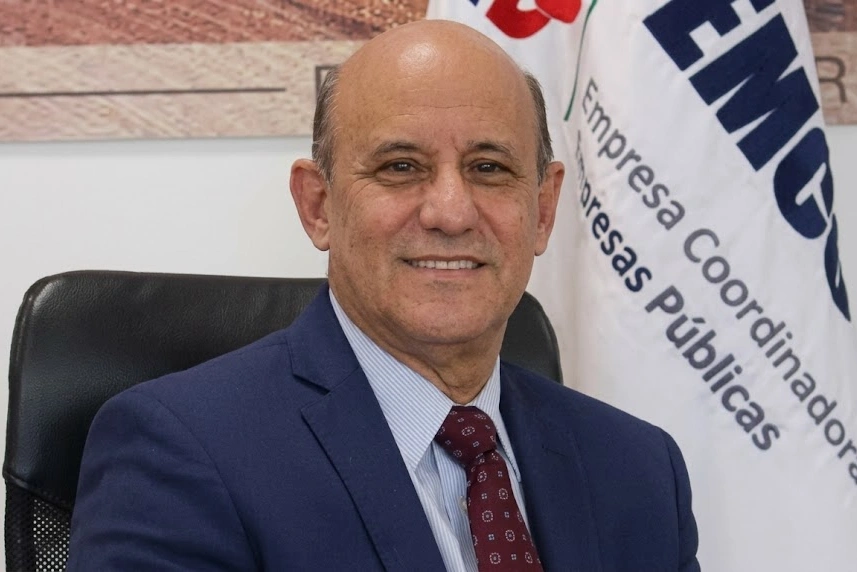
González's team also chose to steer away from unpopular topics like de-dollarization and reduced the visibility of the vice-presidential candidate, Diego Borja. These tactical changes attempted to mask the structural weaknesses of the correísta project.