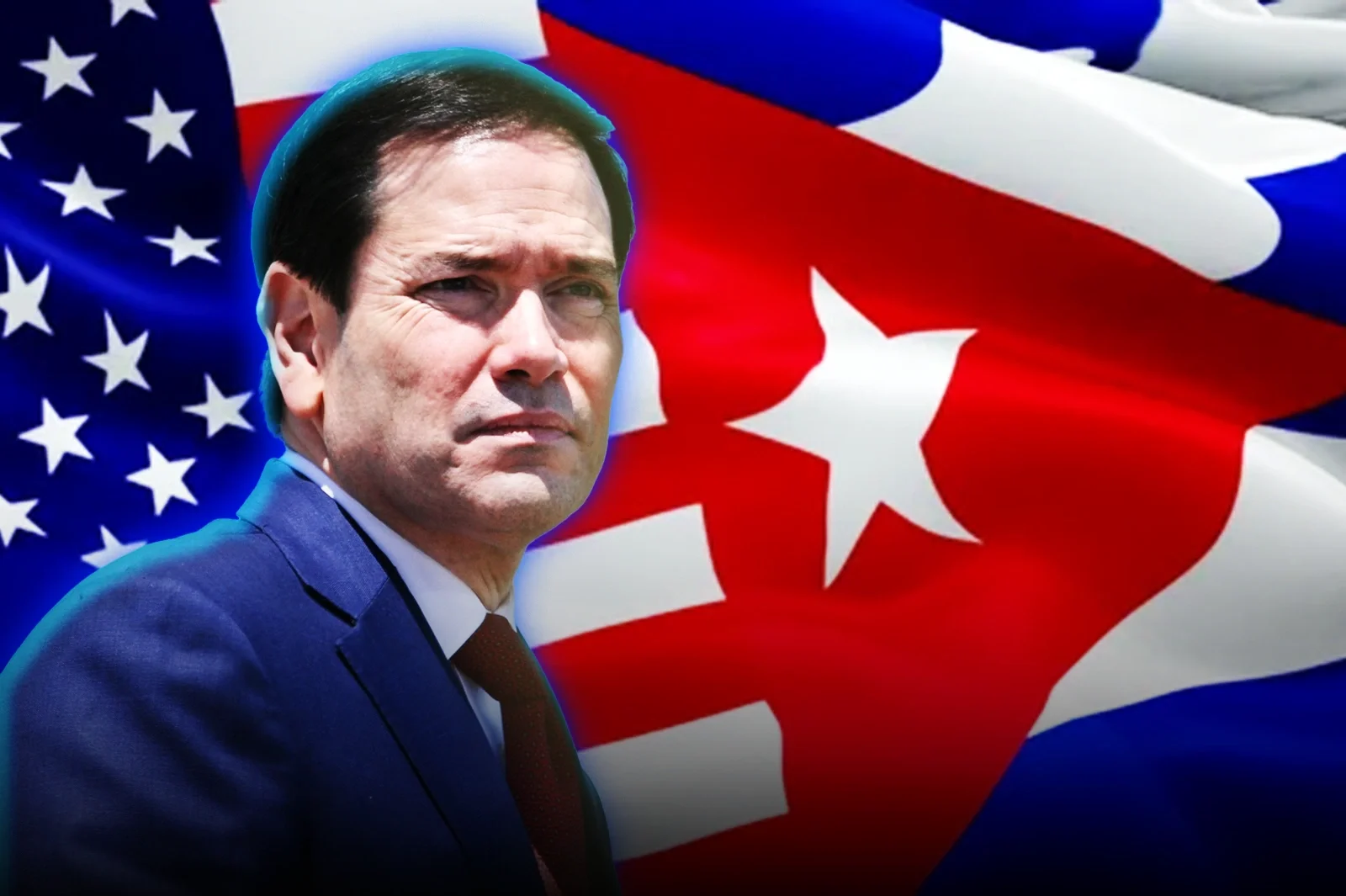
The recent presidential election in Chile was not a routine democratic alternation of power. It was a political rupture. It was a conscious and decisive rejection of progressive ideology, of social engineering, and of political elites that had grown accustomed to governing without accountability.
For many European readers, Chile may seem geographically distant. Politically, it is not. What happened there reflects dynamics that we know all too well in Europe.
The magnitude of this decision is remarkable. José Antonio Kast won the presidency with almost 60% of the vote, the strongest democratic mandate in Chile's modern history. Even more significant is that his victory extended, without exception, to all regions of the country: urban and rural areas, north and south, center and periphery. Chile spoke with a single voice.
This triumph was only possible thanks to the unity of the entire right-wing and patriotic political spectrum. Alongside Kast, other figures such as Johannes Kaiser and Evelyn Matthei supported this political orientation. The lesson is clear and also highly relevant for patriotic and sovereigntist forces within the EU: unity makes victory possible, while fragmentation strengthens the ideological adversary.
For years, Chile was presented by international media as a model of progressive transformation. At the same time, ordinary citizens experienced an increase in crime, uncontrolled migration, ideological pressure in schools and universities, and a systematic weakening of national identity. The left insisted that this path was inevitable. Voters proved the opposite in a forceful way.
At the center of this political shift were José Antonio Kast and the Republican Party of Chile. In an environment dominated by left-wing narratives, they articulated a program that put the national interest first: public order, secure borders, protection of the family, a clear pro-life stance and, particularly relevant for the European debate, the principle of remigration: the return of illegal and criminal migrants to their countries of origin in order to restore sovereignty, security, and social cohesion.
These positions are not radical. They are realistic responses to real problems that citizens face every day, problems that many European governments still refuse to name honestly.
The most decisive outcome of the Chilean election, however, was the defeat of the communist candidate. It was not simply a partisan defeat, but a civilizational signal. Communism is not a misunderstood ideal; it is an ideology with a long and well-documented record, and that record is catastrophic.
Wherever communism has been implemented, it has led to economic decline, censorship, political persecution, and the destruction of individual freedom. Chile sent a message that resonates far beyond Latin America: never again communism. Never again an ideology that promises equality and delivers poverty, that speaks of justice while suppressing dissent, and that only survives through control and fear.
A key element of this political awakening was also the two failed constitutional processes of 2022 and 2023. The left misinterpreted an initially favorable vote as a blank check to push a radical social experiment: higher taxes, a broad liberalization of abortion up to advanced stages of pregnancy, and a refounding of the institutional and cultural foundations that had made the country prosperous. The population clearly rejected both constitutional projects, choosing pragmatism over ideological utopia.
What happened in Chile demonstrates an essential lesson: citizens no longer vote for abstract promises or ideological narratives, but for concrete solutions to concrete problems. Faced with moralizing language, slogans, and unrealistic utopias, voters chose security, stability, common sense, and political responsibility. The gap between progressive elites and real life became unsustainable.
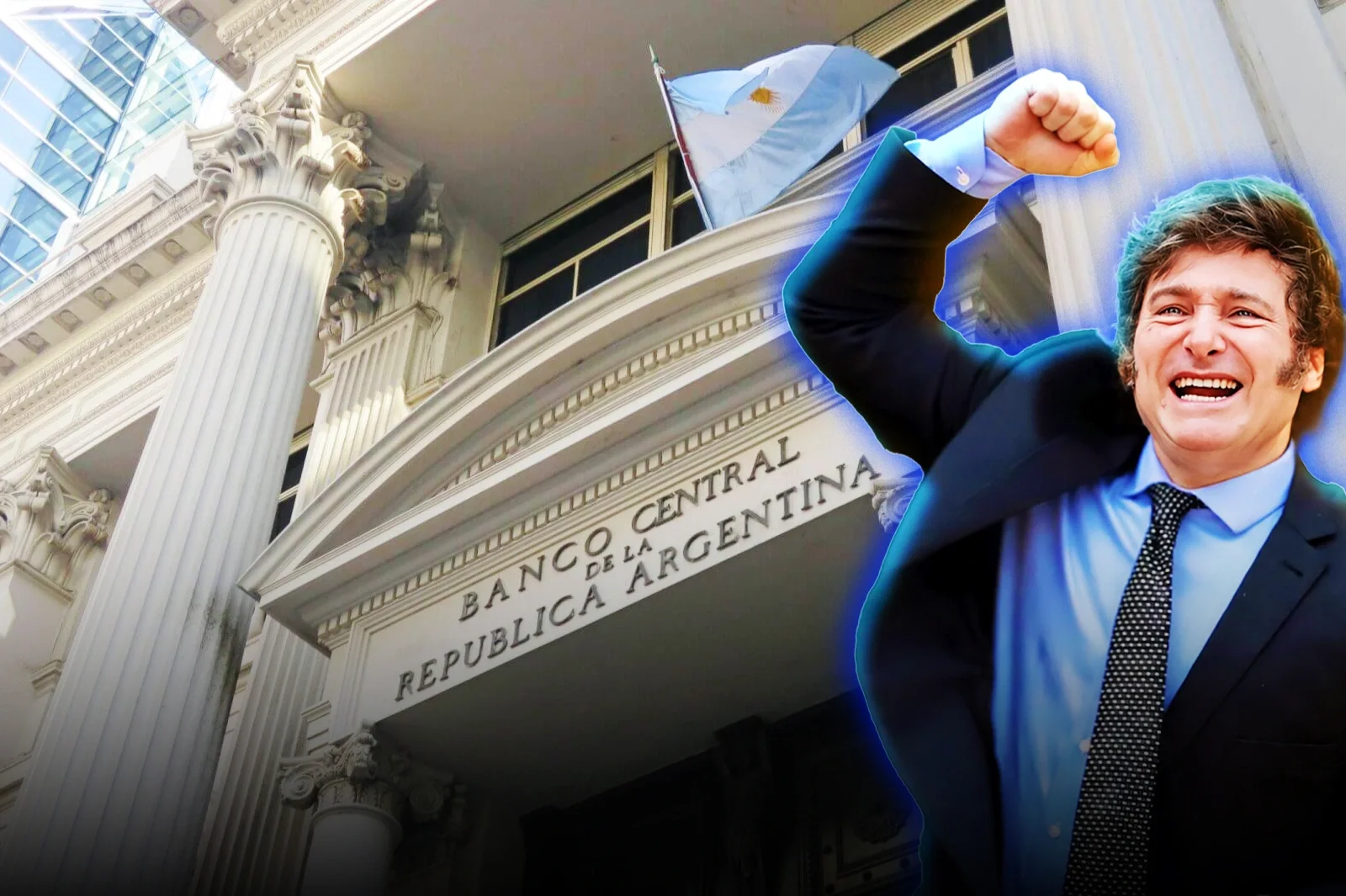
Chile is not alone. A broader political realignment is taking place across the American continent. In Argentina, President Javier Milei openly confronted the political caste, dismantled long-standing socialist dogmas, and questioned ideas that had been considered untouchable for decades. His success confirmed an essential truth: voters reward clarity, courage, and consistency, not ideological conformity.
A new conservative and patriotic movement is emerging in the Americas. It prioritizes work over dependency, order over chaos, freedom of expression over censorship, and the national agenda over globalist abstractions. It does so openly, without apologies.
Europe is experiencing a similar process. In Germany and across the continent, more and more citizens are recognizing the consequences of mass migration, forced multiculturalism, ideological censorship, and the criminalization of dissenting voices. Utopian promises have collided with reality, and reality has proved to be stronger. Patriotic movements are growing because they dare to speak uncomfortable truths that established parties prefer to ignore.
From the perspective of Alternative for Germany (AfD), we observe political developments in Latin America with interest and determination. Chile demonstrates a universal truth: even when the left appears to be permanently entrenched in power, democratic change remains possible. When citizens speak clearly and vote decisively, no media narrative or ideological pressure can override their will.
The message that comes from Chile is unequivocal: the change that people demand is radical. It is not symbolic. It is not something negotiated behind closed doors. It is radical in the most authentic sense of the word: a return to security, responsibility, and truth.
Chile's election is not just a national event. It is a mandate and a warning.