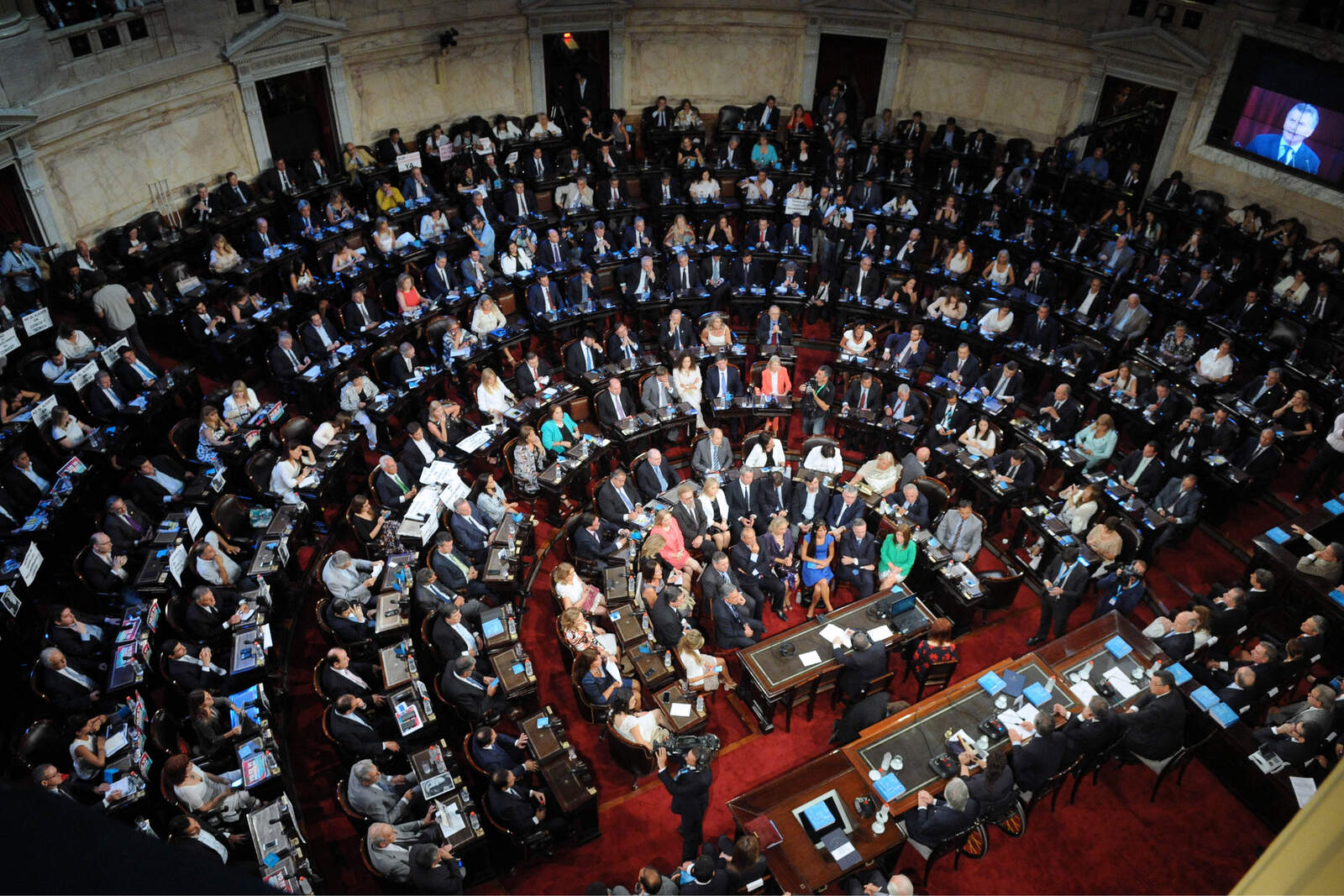

This Sunday, October 26, Argentinians will once again go to the polls to renew one third of the National Senate, in an election that will mark an institutional milestone: for the first time across the country, the Single Paper Ballot (BUP) will be used to elect national legislators.
The Senate, composed of 72 members—three for each province and three for the Autonomous City of Buenos Aires—represents the country's federal districts, unlike the Chamber of Deputies, where representation is proportional to the population. Each province elects two senators by majority and one by the first minority, which ensures representation for both the ruling party and the opposition.
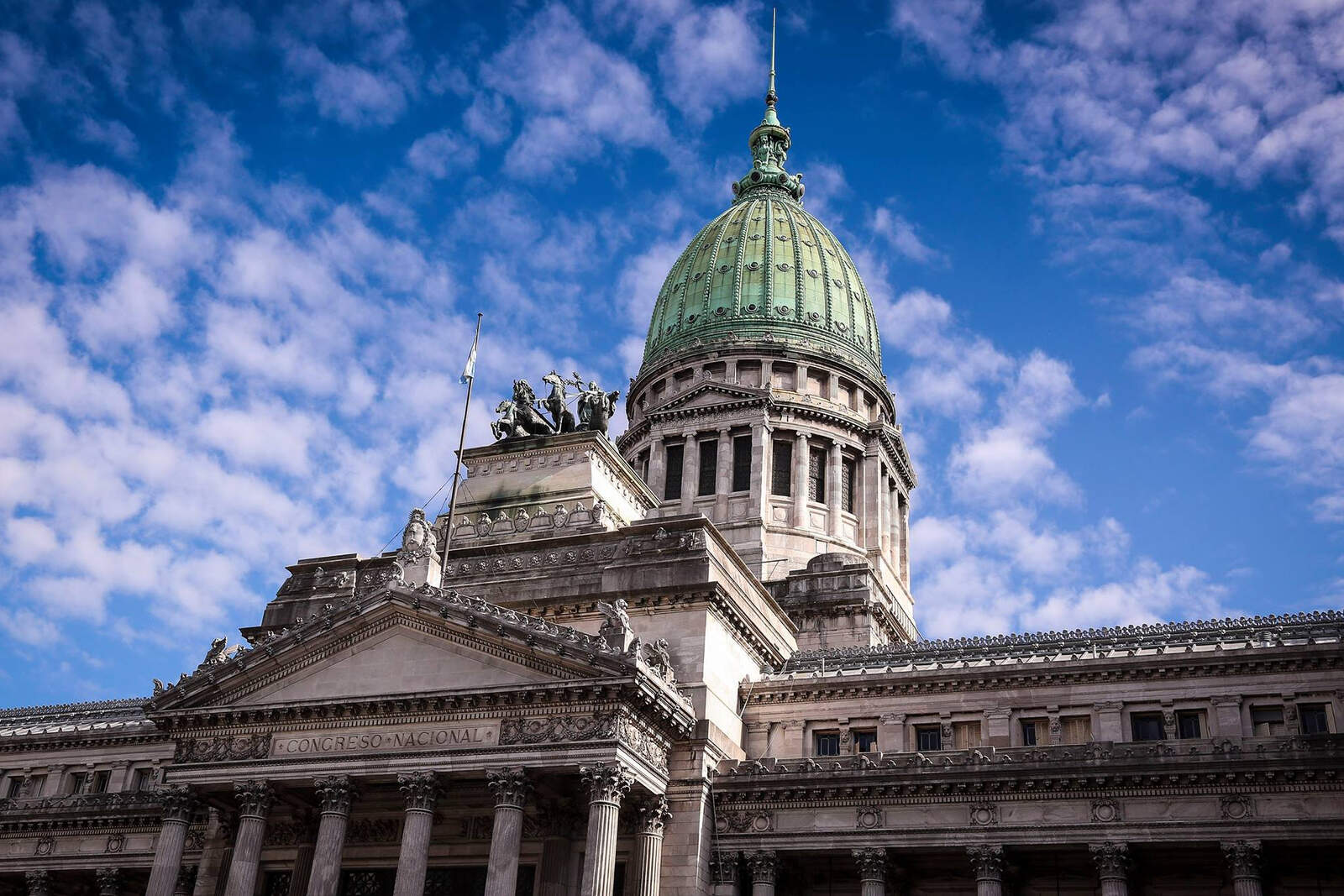
This time, eight districts will renew their seats: the City of Buenos Aires and the provinces of Chaco, Neuquén, Río Negro, Salta, Santiago del Estero, Entre Ríos, and Tierra del Fuego. The senators who are elected will take office on December 10, with six-year terms, and may be reelected without limit.
The composition of the Upper Chamber is key to the political functioning of the Nation. There, laws are reviewed and approved, international treaties are ratified, judicial and diplomatic appointments are evaluated, and it acts as a court in cases of impeachment. In this sense, the outcome of this election will not only determine names, but also the balance of power in Congress and the legislative future of the national government.
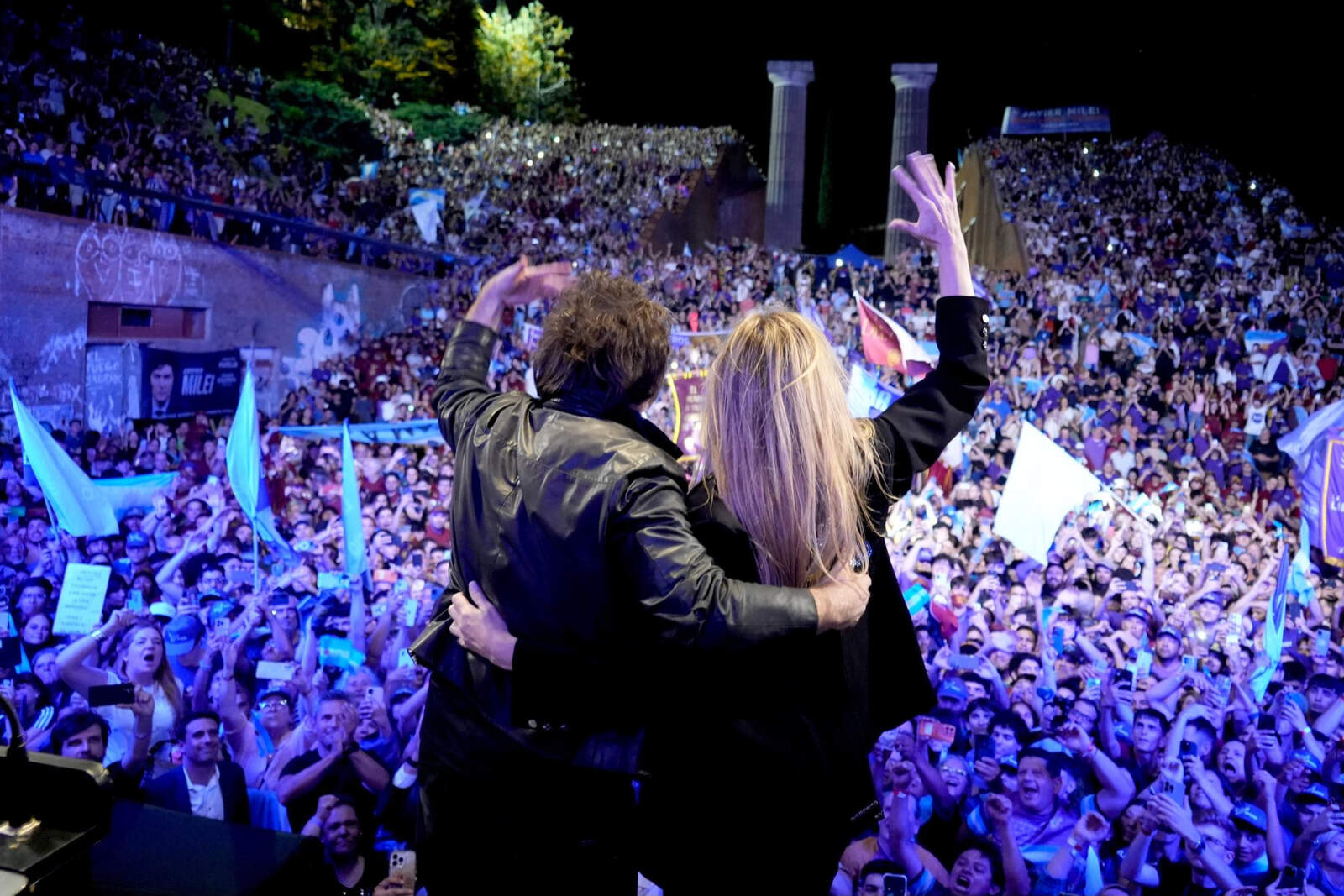
Currently, La Libertad Avanza (LLA) has a limited presence in the Senate, with no seats of its own at stake this year, but with a clear strategy: to expand its representation in order to consolidate the reform program promoted by President Javier Milei. In the Chamber of Deputies, only eight of its 39 seats are at stake, which leaves the libertarian force with little to lose and much to gain.
Javier Milei's candidates

In the Autonomous City of Buenos Aires (CABA), LLA puts forward as its leading candidate the Minister of Security, Patricia Bullrich, who heads the list of national senators. She is accompanied as the second name by the economist Agustín Monteverde.