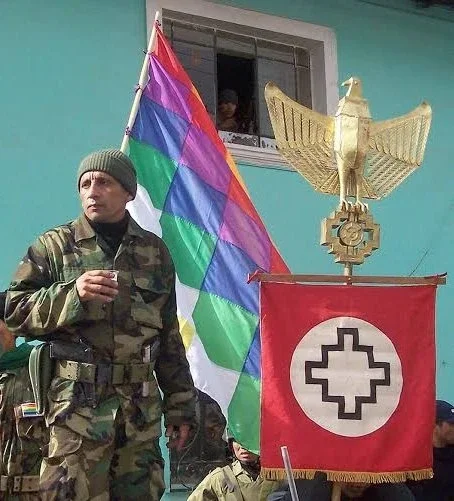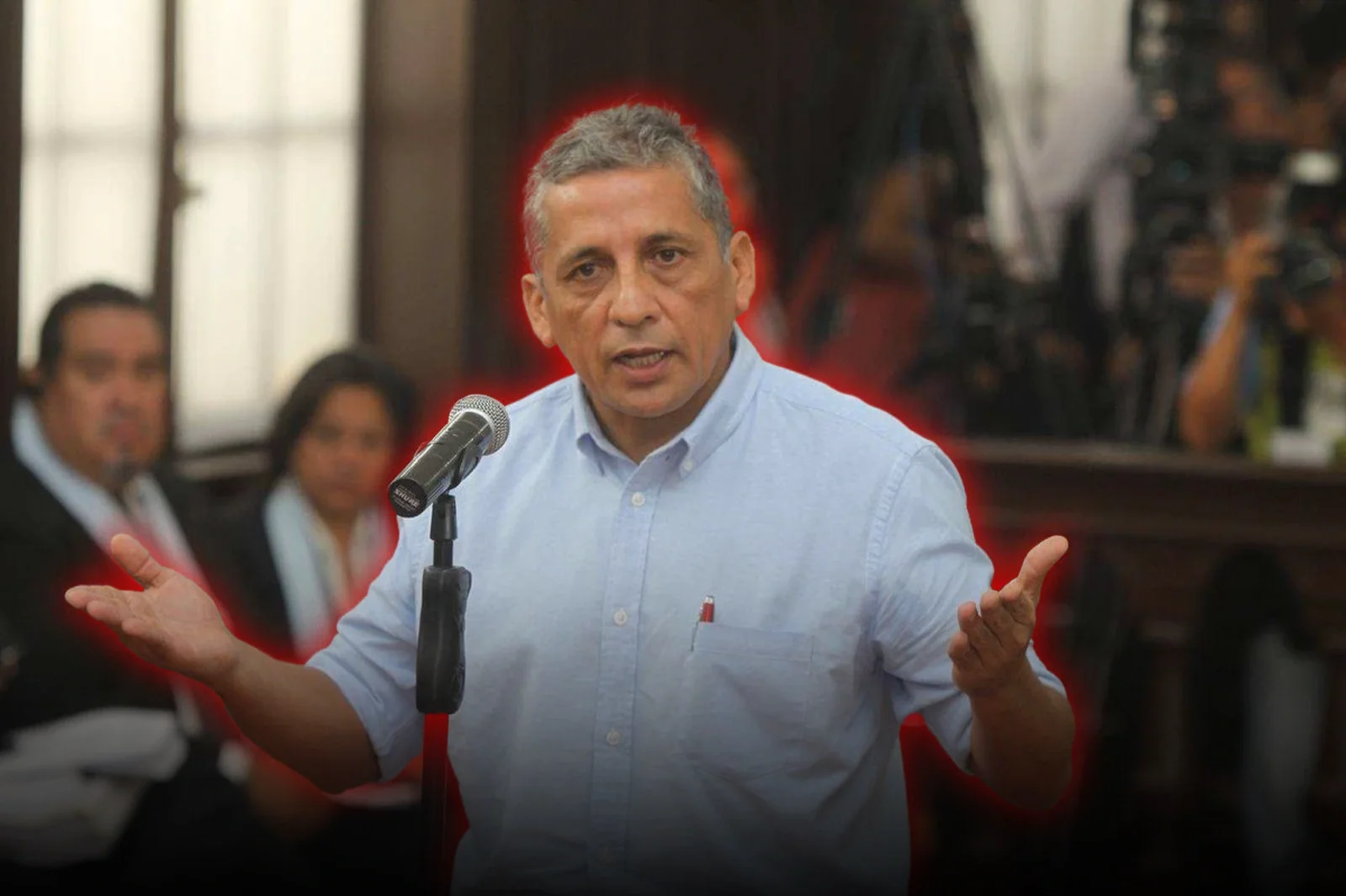

Antauro Humala has once again brought the Peruvian political controversy to the forefront due to his connection with Roberto Sánchez, the communist candidate and disciple of Pedro Castillo who is vying for power against Keiko Fujimori. The former military officer, leader of the ethnocacerist movement and convicted for the violent Andahuaylazo, was presented by Sánchez as a key figure to lead security and defense policy in a potential government.
Humala is one of the most extreme characters in contemporary Peruvian politics. Brother of the former president convicted in the Obredecht case Ollanta Humala, he led an armed rebellion in January 2005 in the city of Andahuaylas against the government of Alejandro Toledo. The uprising ended with four police officers dead, agents held hostage, and a judicial conviction for crimes such as homicide, kidnapping, rebellion, aggravated damages, and the theft of weapons.
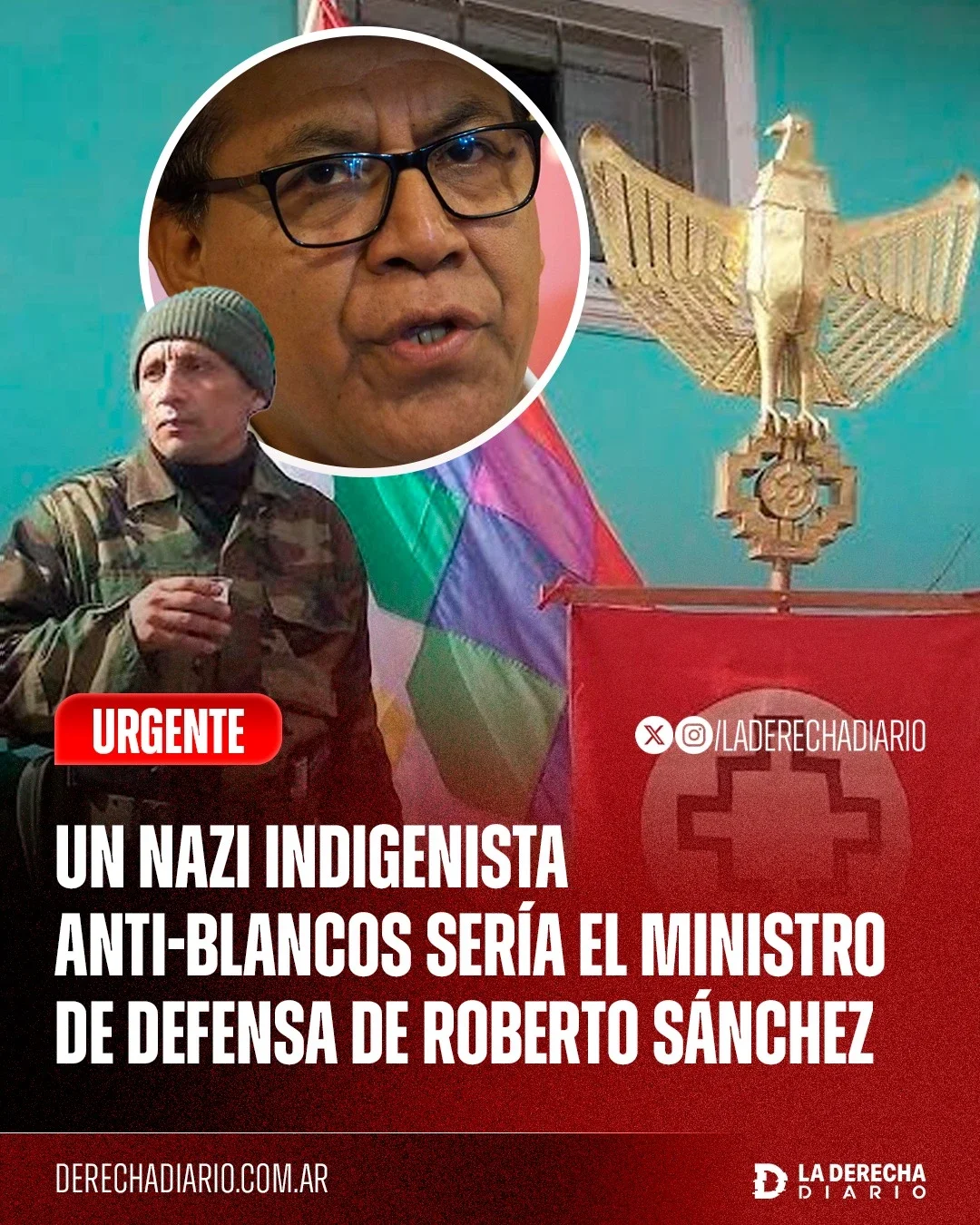
After serving nearly 17 years in prison, Humala returned to public life with a nationalist, authoritarian, and openly ethnicist discourse. His current, ethnocacerism, advocates for a radical vision of indigenous identity and argues that political power should remain in the hands of those he defines as “cobrizos”. For such proposals, his critics label him as the “Peruvian Hitler” or the “Peruvian Führer,” a tag that summarizes the supremacist, violent, and antidemocratic nature of his preaching.