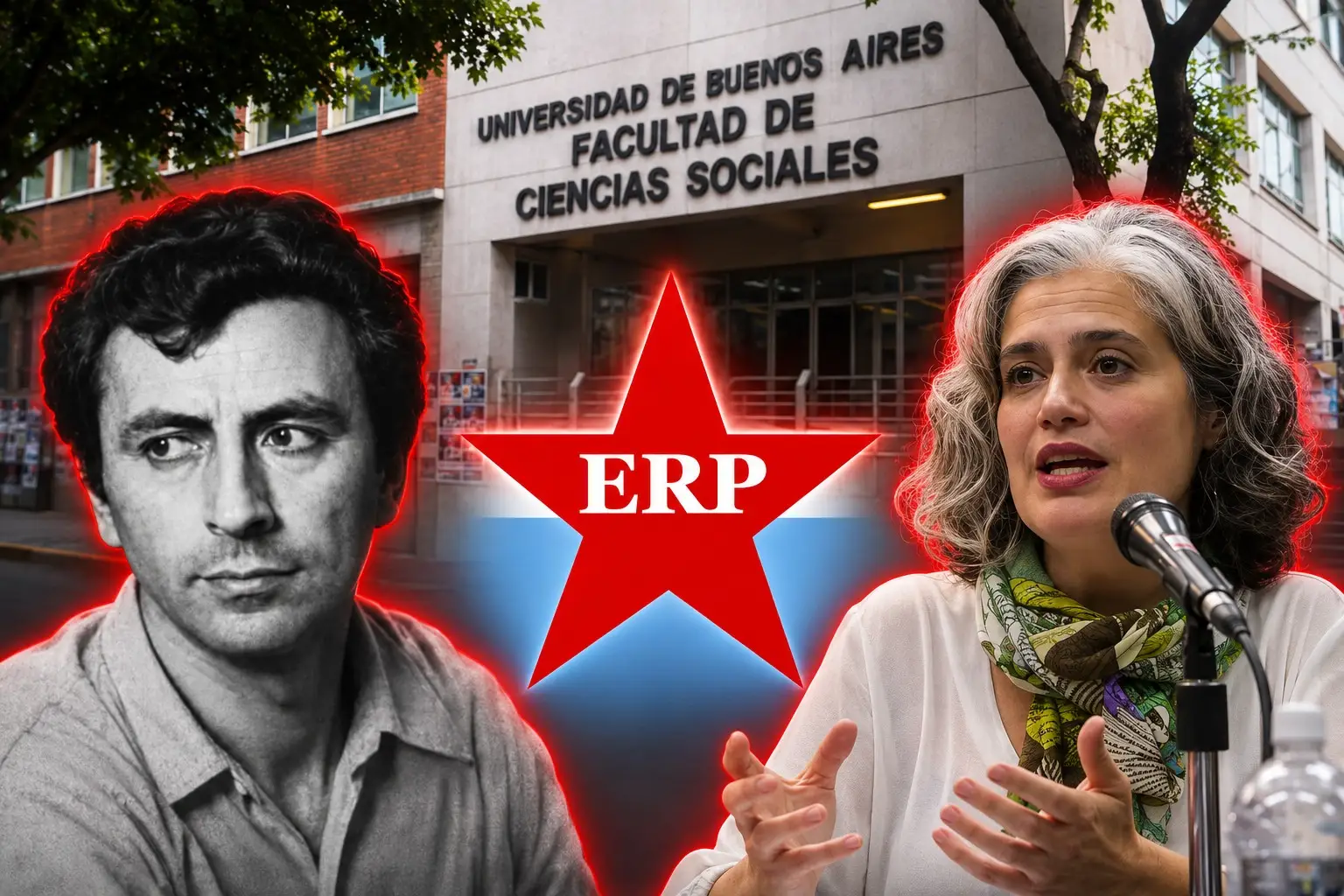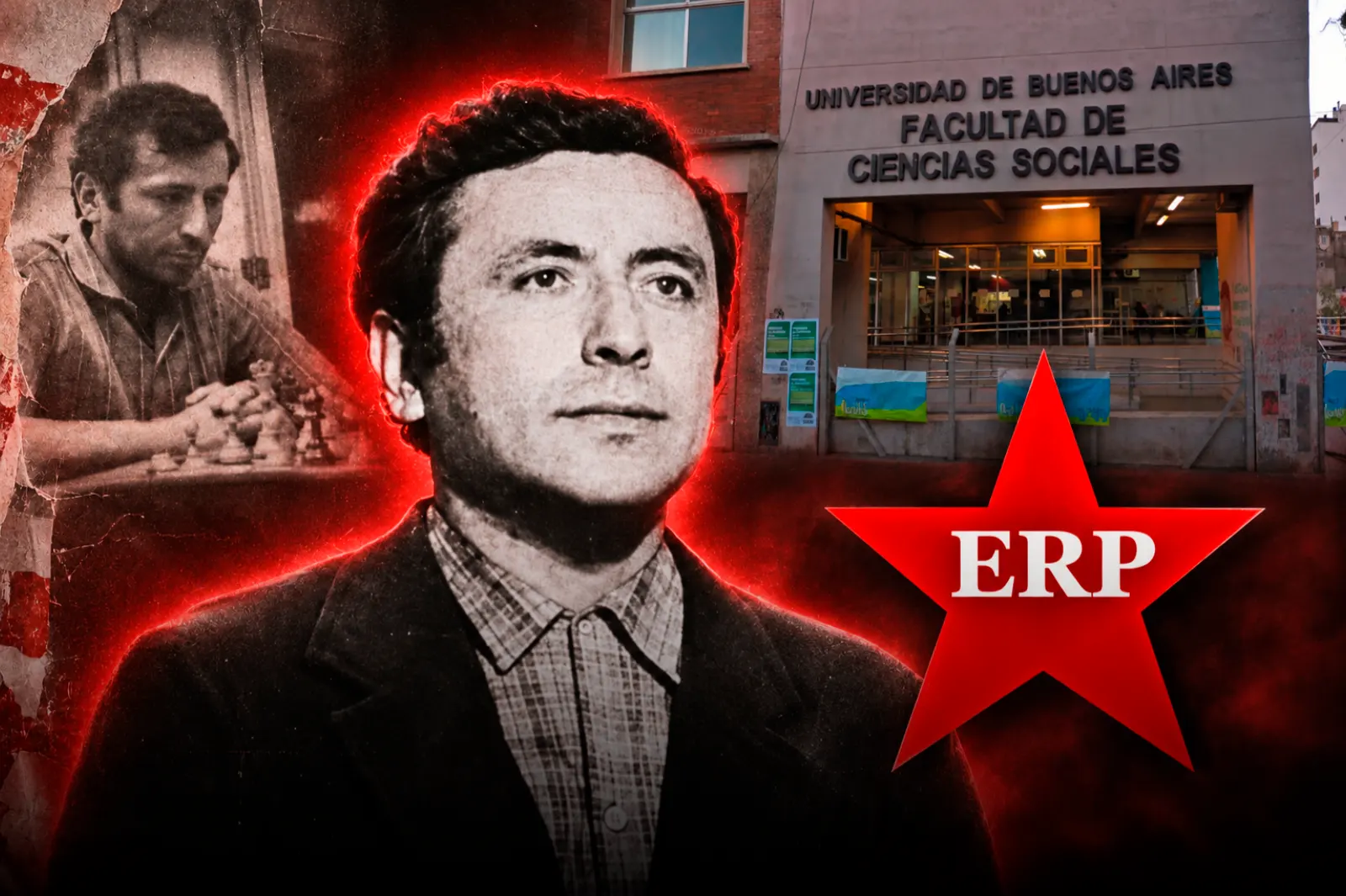

Mario Roberto Santucho was the founder and main leader of the Revolutionary Workers' Party (PRT) and commander-in-chief of the People's Revolutionary Army (ERP), one of the largest Marxist terrorist organizations in Argentina during the 1960s and 1970s.
His career was marked by the formation of guerrilla structures, links with foreign groups, and the leadership of terrorist operations in various parts of the country.
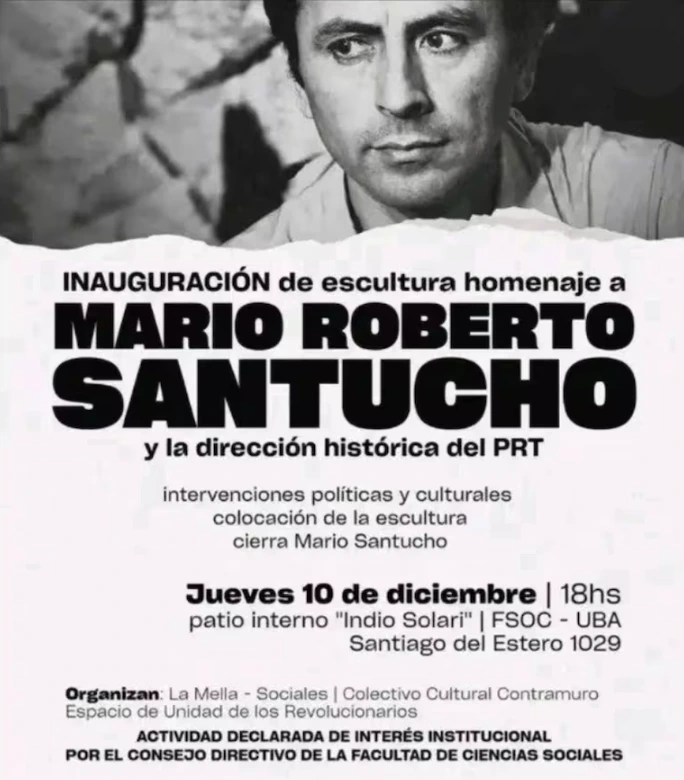
His figure went viral in recent days due to a deplorable tribute that the Faculty of Social Sciences at the University of Buenos Aires (UBA) plans to hold in his recognition. The initiative generated strong criticism due to his terrorist history and the crimes committed.
From his origins in Tucumán to the creation of the ERP
Santucho was born in Santiago del Estero in 1936 and graduated as a public accountant from the National University of Tucumán. During his university years, he began his political participation as a representative of leftist groups.
In 1961, he founded the Popular Indo-American Revolutionary Front and organized sugar workers in Tucumán. Four years later, in 1965, he co-founded the Revolutionary Workers' Party.
In 1970, he promoted the creation of the ERP, the armed wing of the leftist organization, which adopted a Marxist-Leninist ideology with Guevarist and Trotskyist influences.
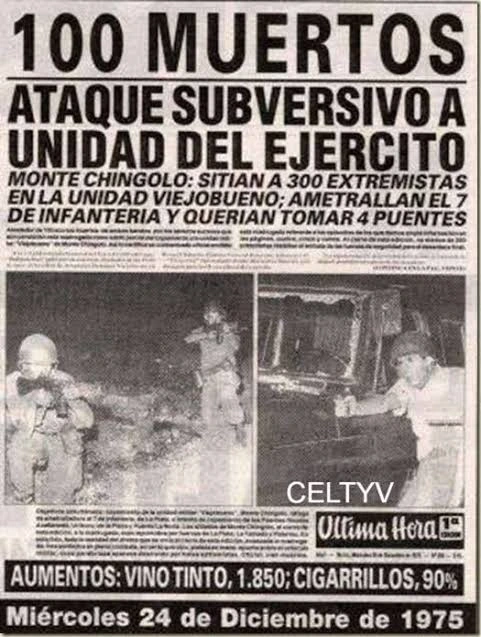
Under his leadership, the group developed urban and rural guerrilla operations, including the activities of the Ramón Rosa Jiménez Company in Tucumán. To finance its structure, the PRT-ERP also resorted to extortion kidnappings and large-scale robberies.
Kidnappings, murders, and attacks on military units
Among the most serious acts carried out by the ERP, under Santucho's direct orders, were the kidnapping of Fiat Concord executive Oberdán Sallustro, murdered in 1972, and that of Swift manager Stanley Silvester.
The terrorist organization was also responsible for numerous selective murders. Among its victims were General Juan Carlos Sánchez in 1972; Rear Admiral Hermes Quijada in 1973; Captain Humberto Viola and his daughter in Tucumán in 1974; and union leader Atilio Santillán in 1976.