Record demand for AI memory is causing a global shortage and could drive up the prices of computers and cell phones
Nuevo
Agregar La Derecha Diario en
Compartir:
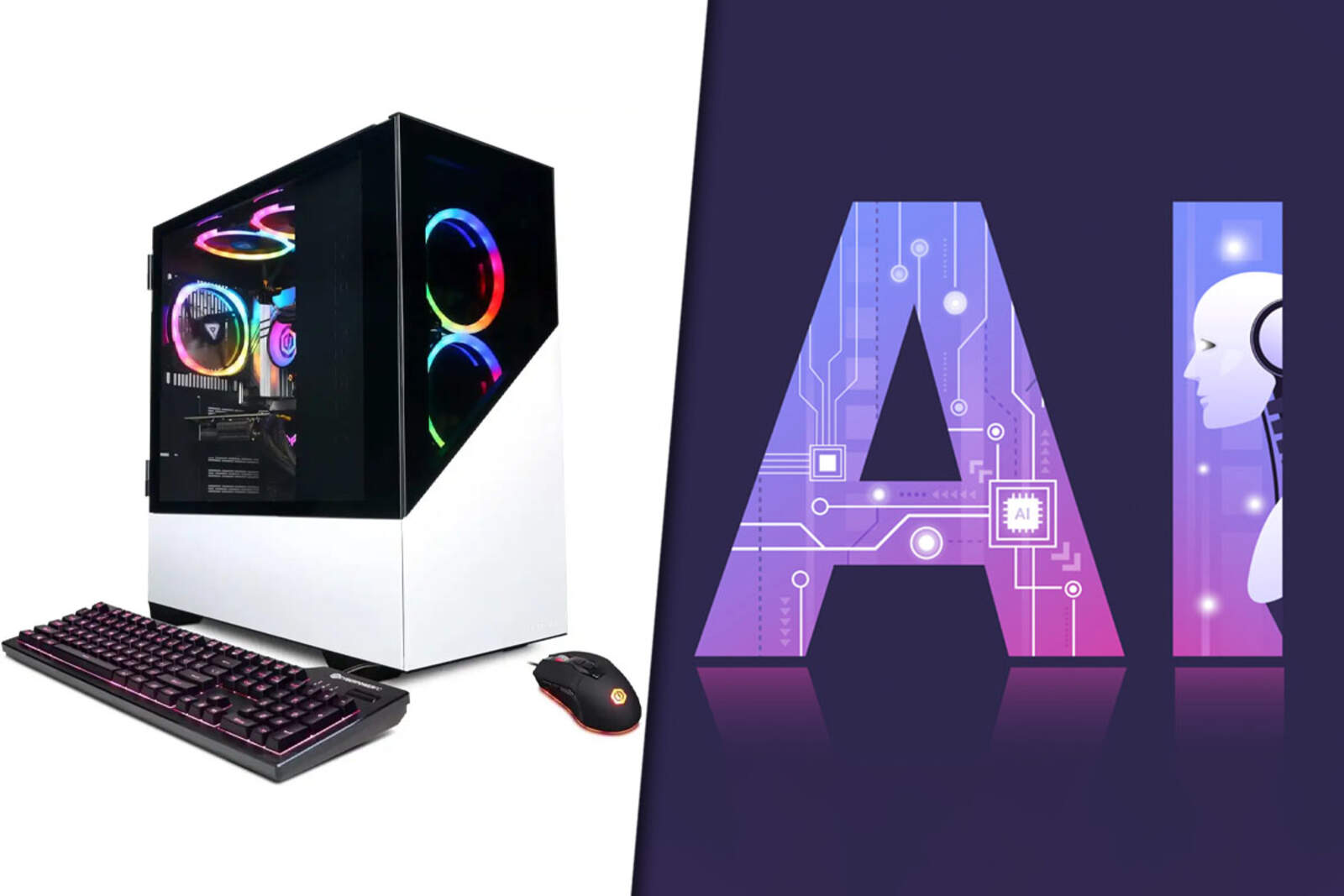
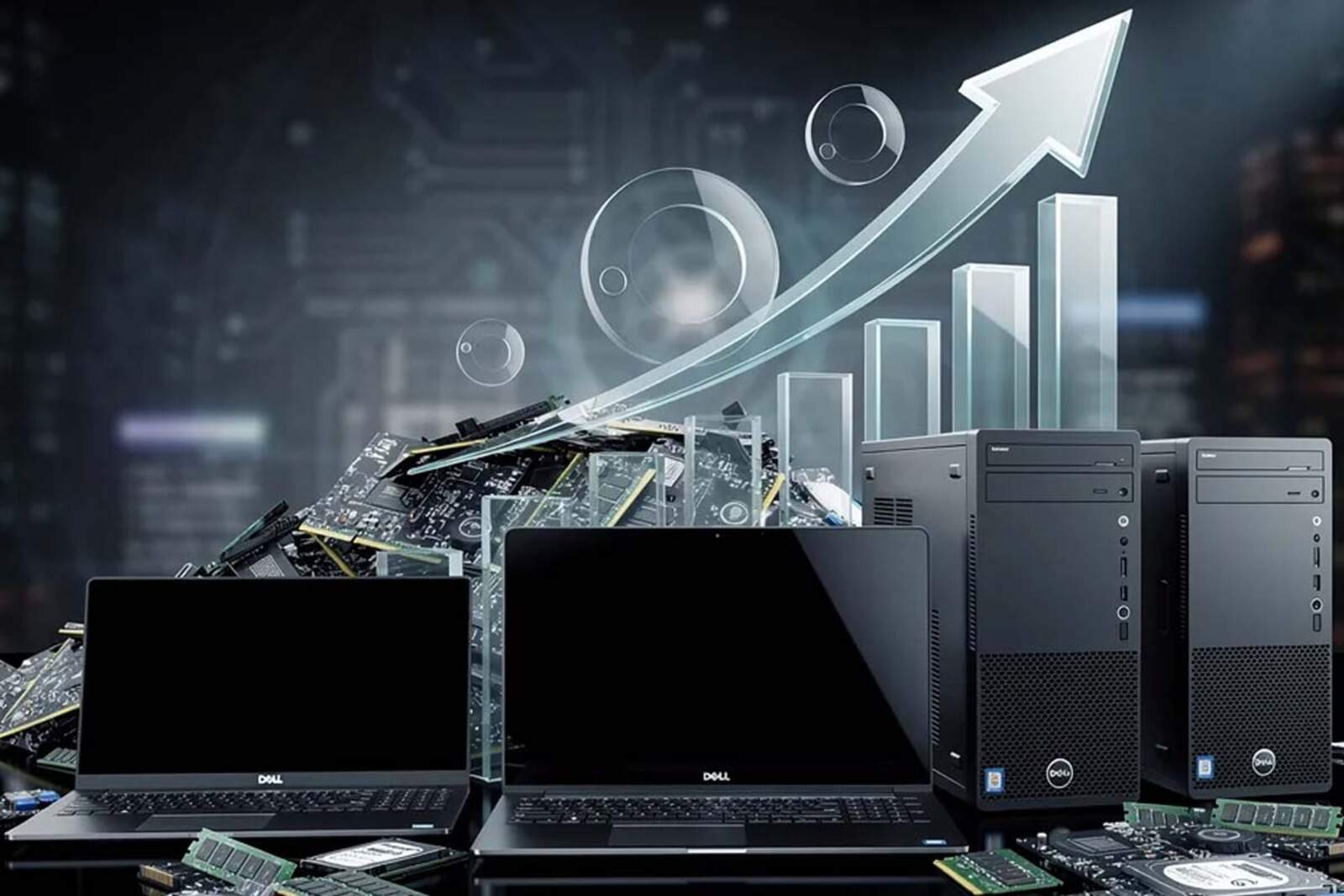
The accelerated advancement of artificial intelligence is generating an unexpected effect in the hardware market. The demand for RAM memory for servers and data centers has left the sector in a shortage situation that could lead to widespread price increases in technology devices.
The scenario originates from a factor that exceeded all forecasts. Major tech companies are buying memory at an unprecedented pace to support the AI models powering cloud services.
El avance acelerado de la inteligencia artificial está generando un efecto inesperado en el mercado del hardware
AI memory demand has unbalanced the market
AI language models depend on enormous volumes of DRAM and, especially, on next-generation technologies such as HBM, which are key for GPUs and accelerators used in training.
In response to this boom, manufacturers have chosen to prioritize the production of memory destined for servers (which is much more profitable) over the consumer market. As a result, availability for PCs, notebooks, cell phones, and consoles has been relegated.
A bottleneck that's getting worse
The shortage is not only due to the growth of AI. Previous trends also play a role, such as the greater memory required by 5G smartphones and the sector's structural difficulties in expanding its production capacity.
Los modelos de lenguaje de IA dependen de enormes volúmenes de DRAM
Increasing memory manufacturing takes years, requires gigantic investments, and is a historically unstable sector. After cycles of oversupply and abrupt price drops, giants such as Samsung, Micron, and SK Hynix are moving forward cautiously, avoiding unnecessary risks. That prudence, combined with AI's voracity, has left the market without a quick response.
Direct impact on gaming and the mobile market
PC gaming and high-performance hardware
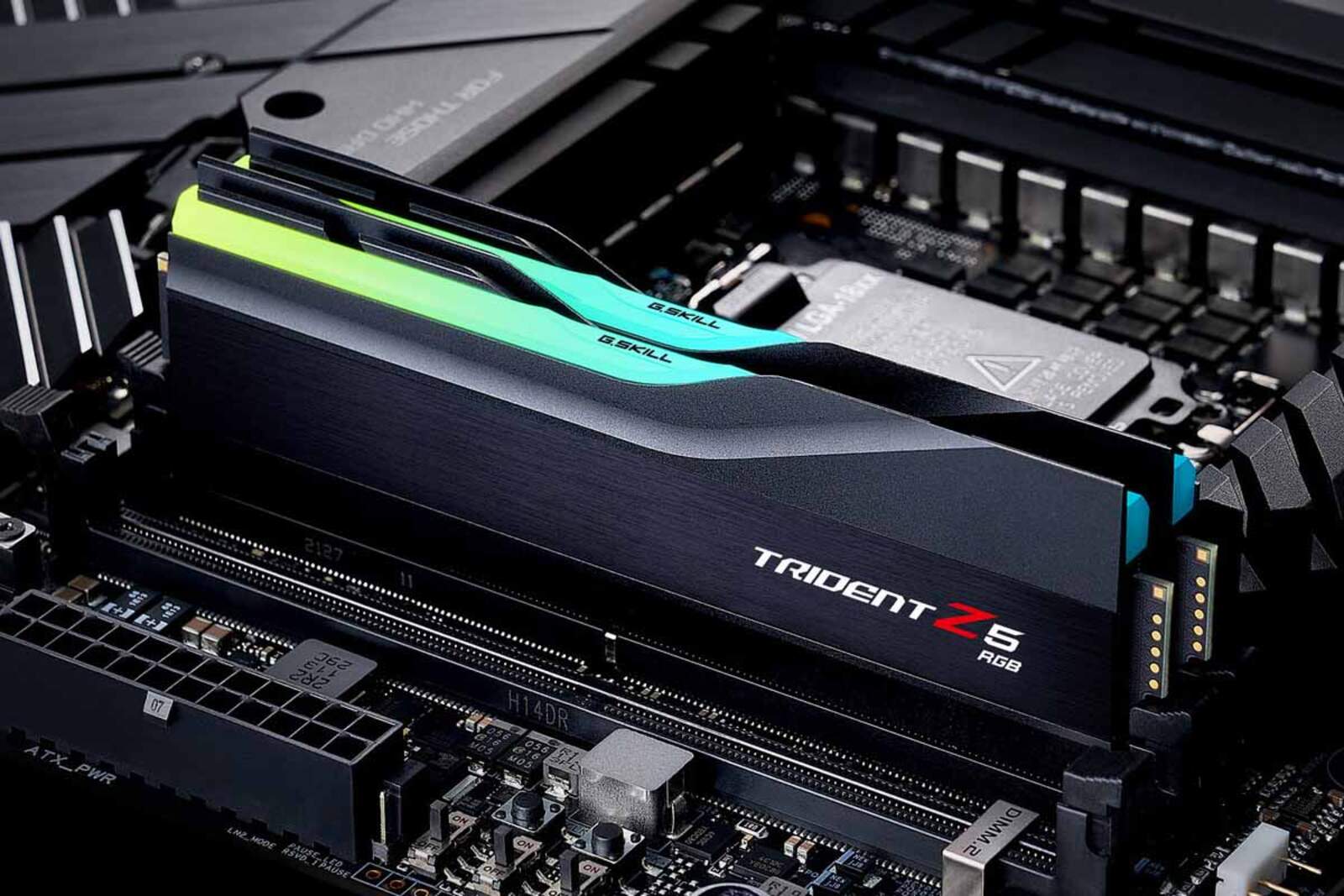
DDR5 modules and high-frequency memory are among the most affected. Marked increases in component prices are already being observed, and prebuilt PC manufacturers are passing those costs on to consumers. Those who upgrade their equipment feel the immediate impact on their budget.
Seguridad y confiabilidad en la información
Smartphones and laptops
Mobile devices depend on advanced RAM chips, and many brands can't absorb the increases. This could lead to price hikes in mid- and high-end models in 2026, affecting the price-performance ratio they have maintained until now.