



According to international media, giants like Eric Schmidt (former CEO of Google) and Jeff Bezos are also exploring this idea. Bezos even anticipated that in the coming decades we could see data centers permanently orbiting Earth.

SpaceX plans to create artificial intelligence data centers in orbit using Starlink satellites






According to international media, giants like Eric Schmidt (former CEO of Google) and Jeff Bezos are also exploring this idea. Bezos even anticipated that in the coming decades we could see data centers permanently orbiting Earth.
Musk explained that the key to the plan lies in the Starlink V3 satellites, an evolution that increases transmission capacity tenfold compared to current models. While V2 Mini reaches 100 Gbps, V3 would reach 1 terabit per second.
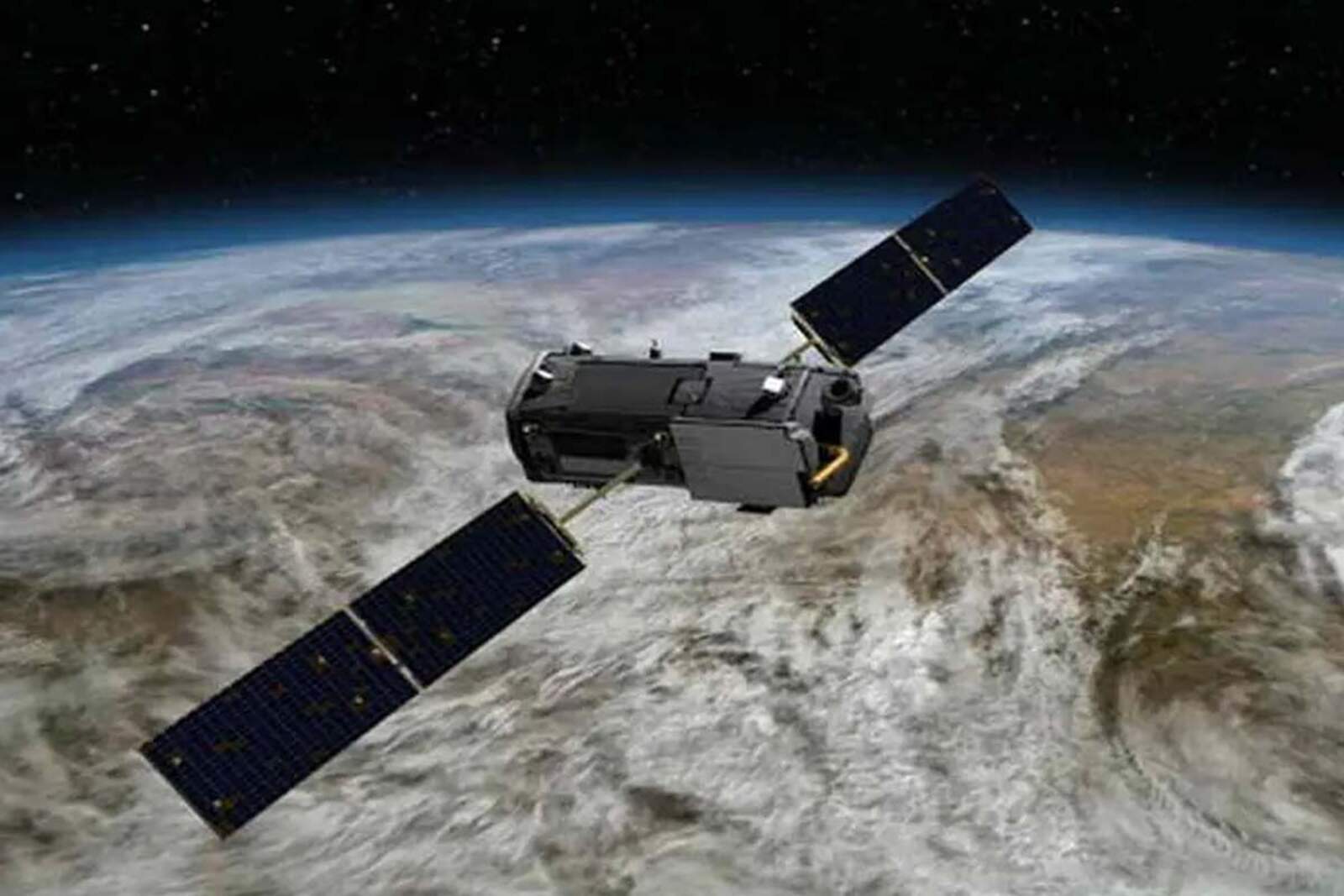
In addition, the Starship rocket will allow up to 60 V3 satellites to be launched per flight, accelerating the deployment of this space computing network. According to Reuters, the first launches could take place in 2026.
The idea faces major challenges: automated assembly, efficient cooling, and secure long-distance data transmission. Initial costs would be high, although Musk is confident he can replicate Starlink's success.
If he succeeds, the entrepreneur could turn space into the new global epicenter of data storage and processing.
Elon Musk surprised the tech world by confirming that SpaceX plans to build artificial intelligence data centers in space. The entrepreneur wants to leverage the Starlink satellite network to meet the growing demand for computing power required by modern AI.
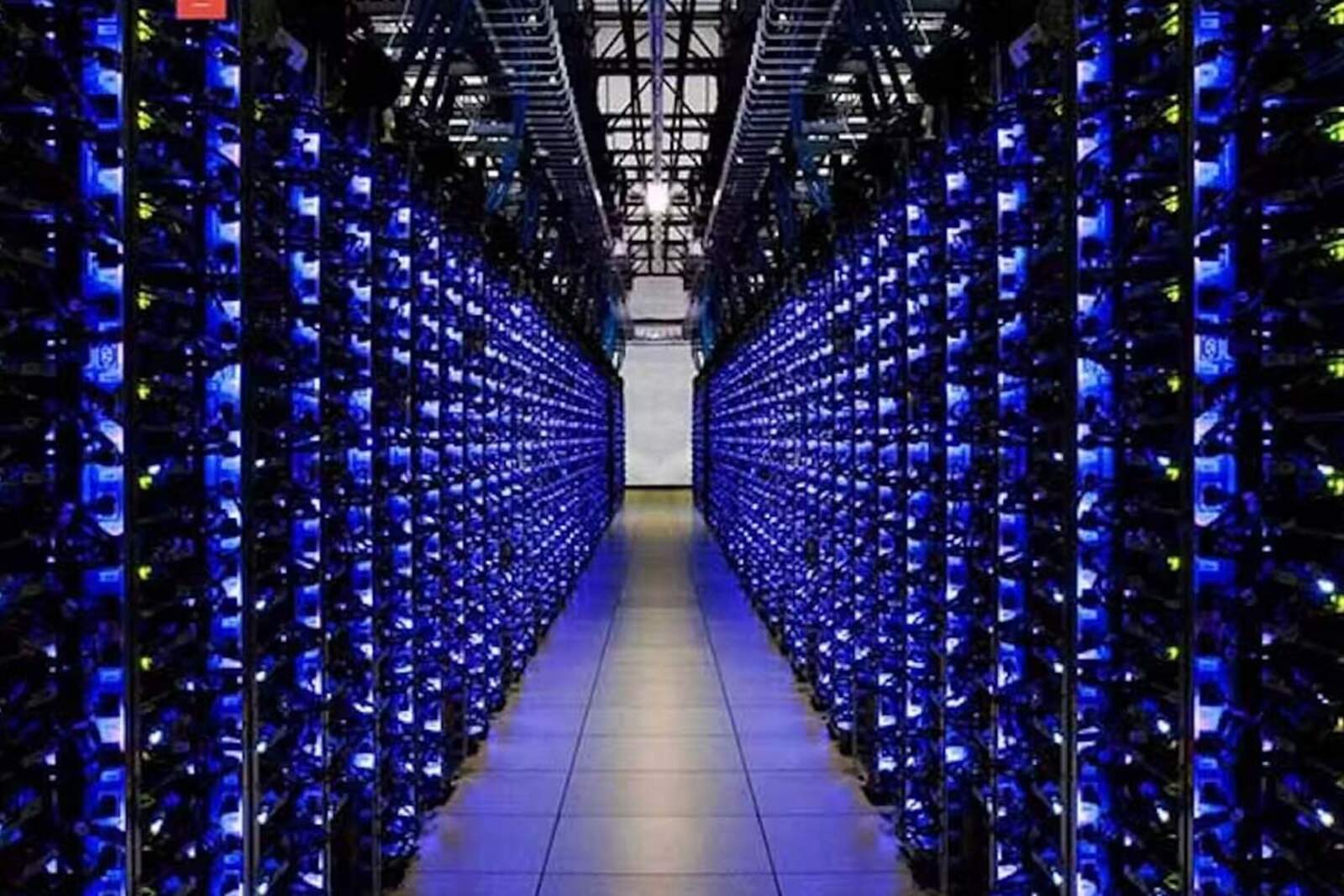
The proposal, which seems straight out of a science fiction movie, aims to transform global digital infrastructure. Instead of building servers on Earth, Musk wants to install data centers in orbit, powered by solar energy and connected by ultra-fast laser links.
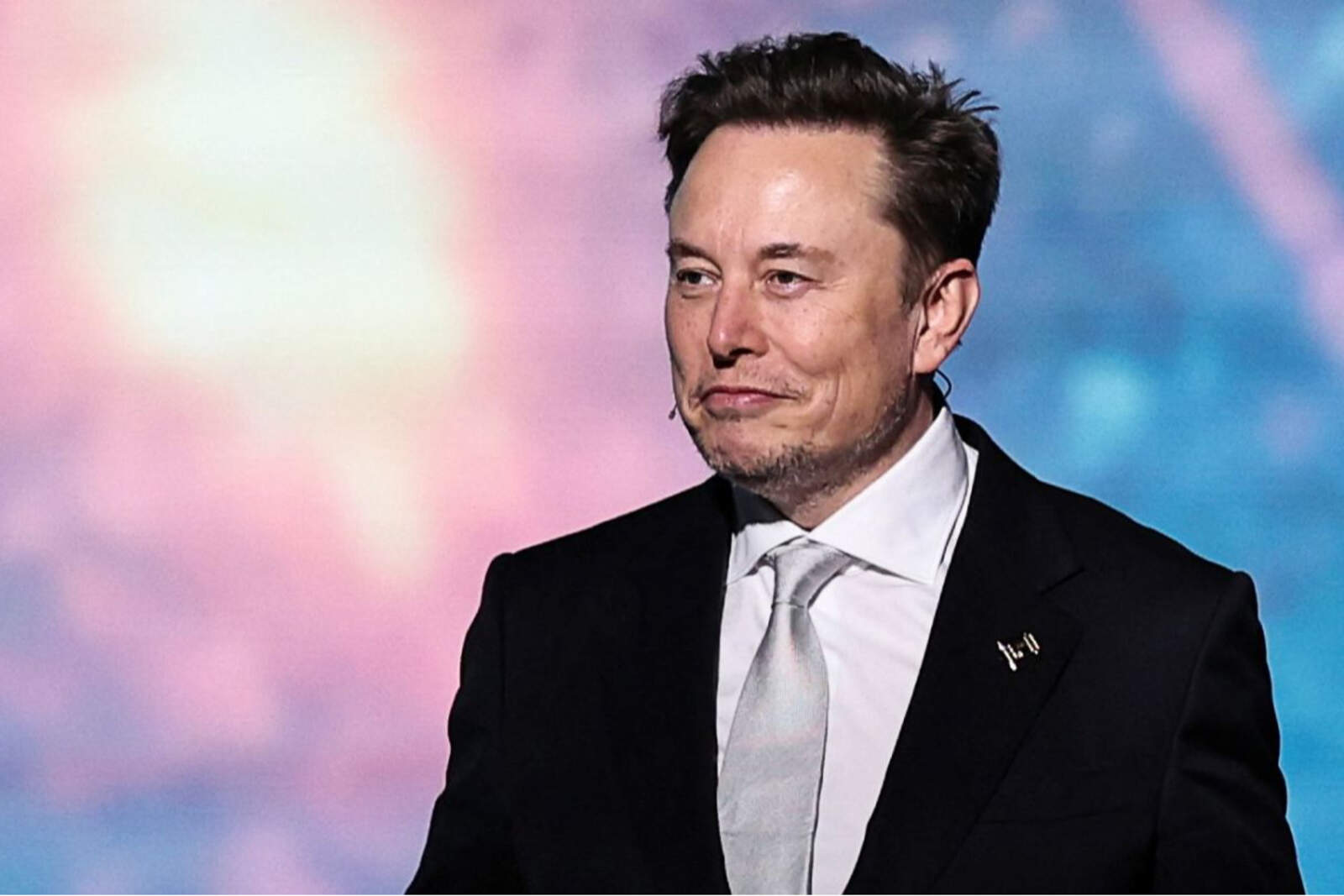
The project became known after Musk replied on X (formerly Twitter) to an article about autonomous assembly of space data centers. "Simply by scaling up Starlink V3 satellites, which have high-speed laser links, this could work. SpaceX will do it," the magnate stated, sparking a wave of reactions in the tech and aerospace community.
If realized, the plan would turn space into the new frontier for high-performance computing, moving data processing infrastructure beyond the planet.
Data centers on Earth face growing problems: they consume massive amounts of electricity and water, occupy large areas, and generate environmental impact. In contrast, space offers abundant solar energy without climate or regulatory restrictions.