
The Catholic celebration of Easter is approaching and with it, the tradition of eating eggs has deep and symbolic roots. Since ancient times, the egg has been a symbol of fertility and renewal.
In Christianity, it represents Jesus's sealed tomb and his subsequent resurrection. By breaking it, new life is revealed, just like the return of Christ. Thus, the egg became one of the strongest icons of this religious celebration.
From the real egg to chocolate
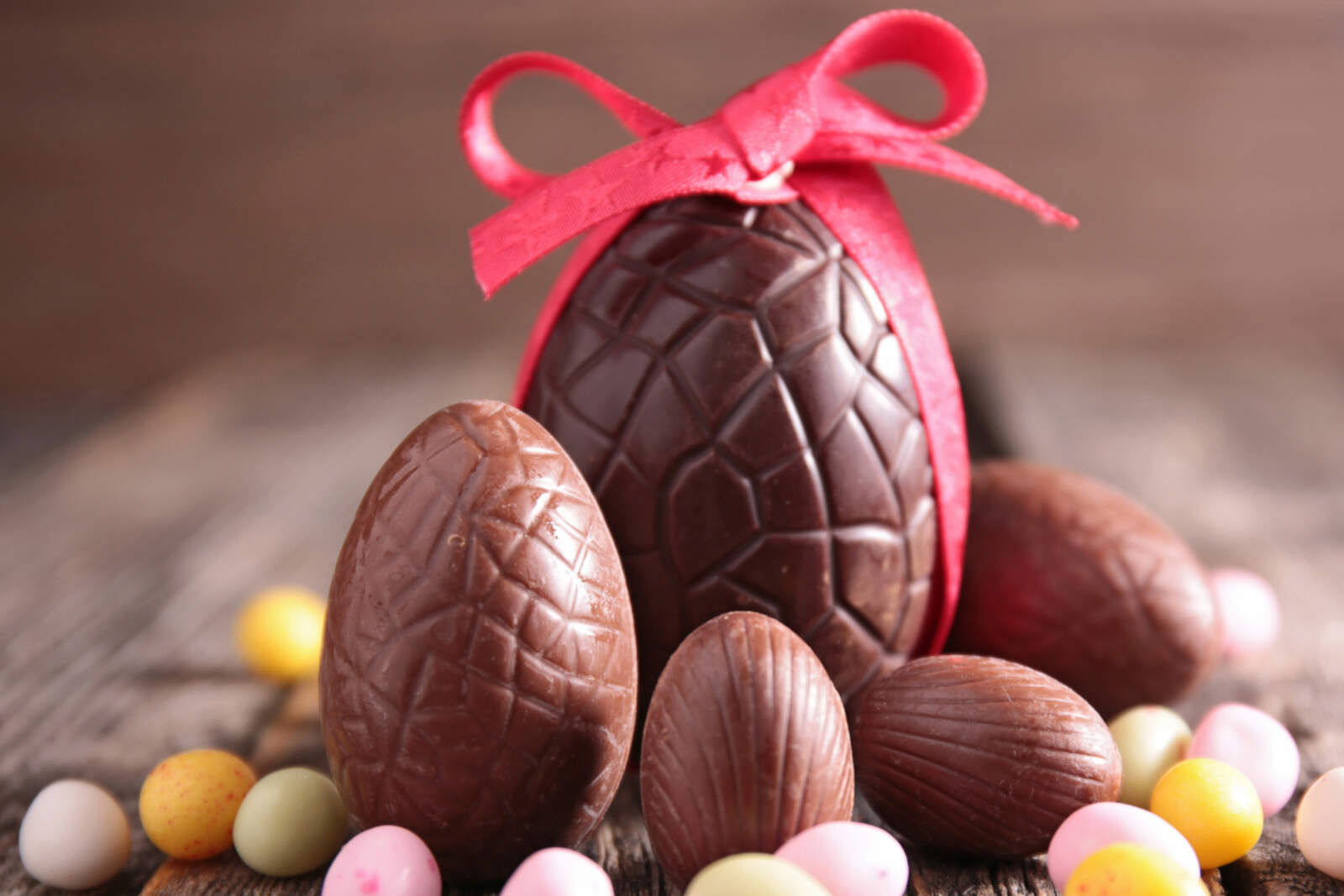
Over the centuries, the egg went from being real to becoming a chocolate delight. This transformation began in Europe in the 19th century.
With the arrival of solid chocolate, the hollow egg became popular as an Easter gift. Soon, the custom spread worldwide. Today, chocolate eggs are an anticipated tradition, especially for the little ones.
Easter celebration in Argentina: faith, family, and flavor
In Argentina, Easter is experienced with a strong religious sentiment, but also with its own customs. During Holy Week, many families participate in masses, processions, and other liturgical celebrations. On Good Friday, for example, the representation of the Way of the Cross is common in the streets of many communities in the country.
Typical gastronomic customs
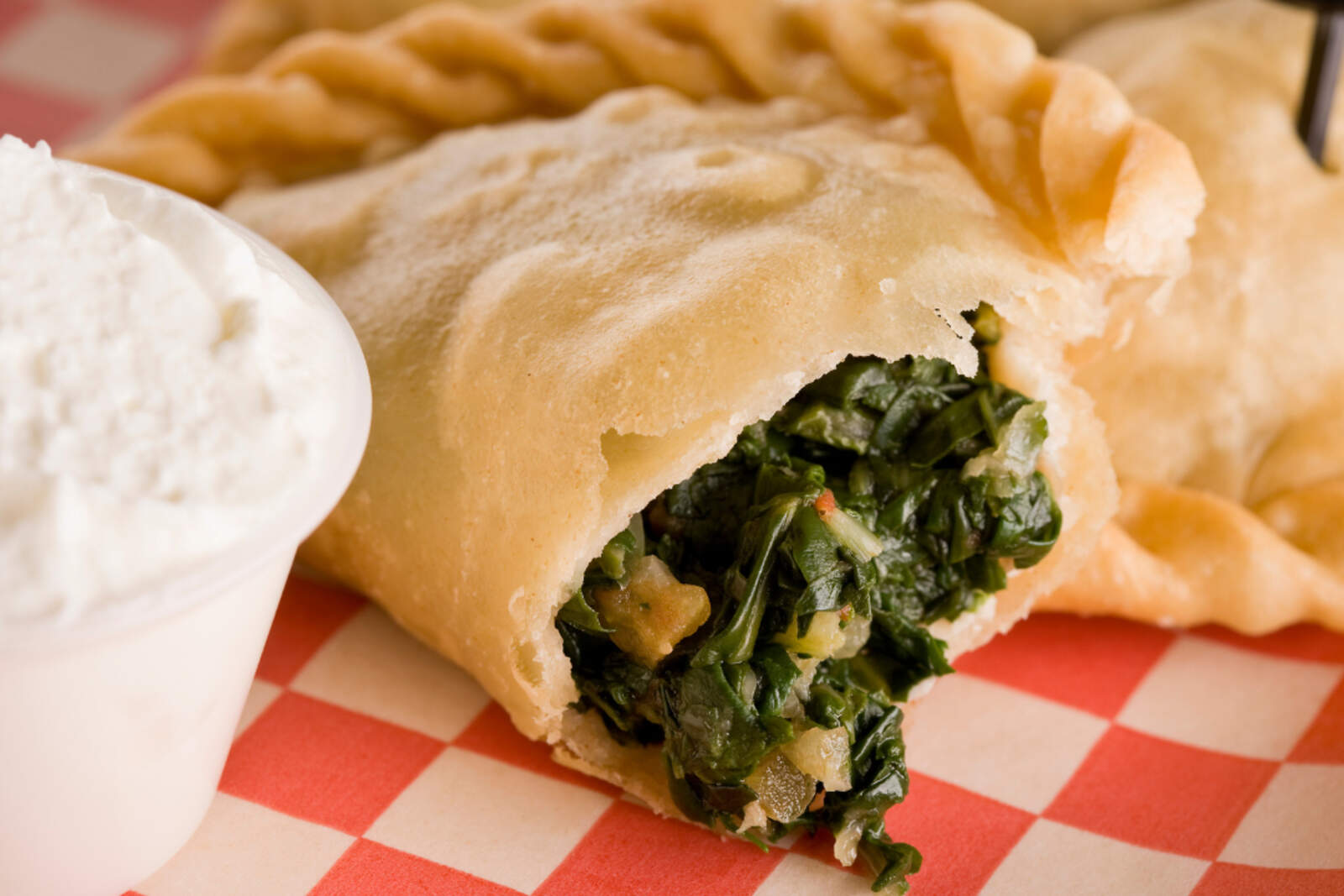
During this time, the tradition of avoiding meat is followed, especially on Good Friday. Instead, fish or vegetarian dishes are chosen. One of the classics is the vigil empanada, filled with tuna or spinach.