An experiment by the University of Cambridge showed that algae can power chips for more than 365 days
Nuevo
Agregar La Derecha Diario en
Compartir:
A team of scientists managed to make a microprocessor run for more than 365 days without batteries or recharging. The key:a "biobattery" powered by blue-green algae, water, and ambient light.
The experiment, which was carried out with simple materials, marks a major breakthrough for low-power electronics and the Internet of Things, where changing batteries is usually expensive.
Un equipo de científicos logró que un microprocesador funcione durante más de 365 días sin baterías ni recargas
How the algae-based biobattery works
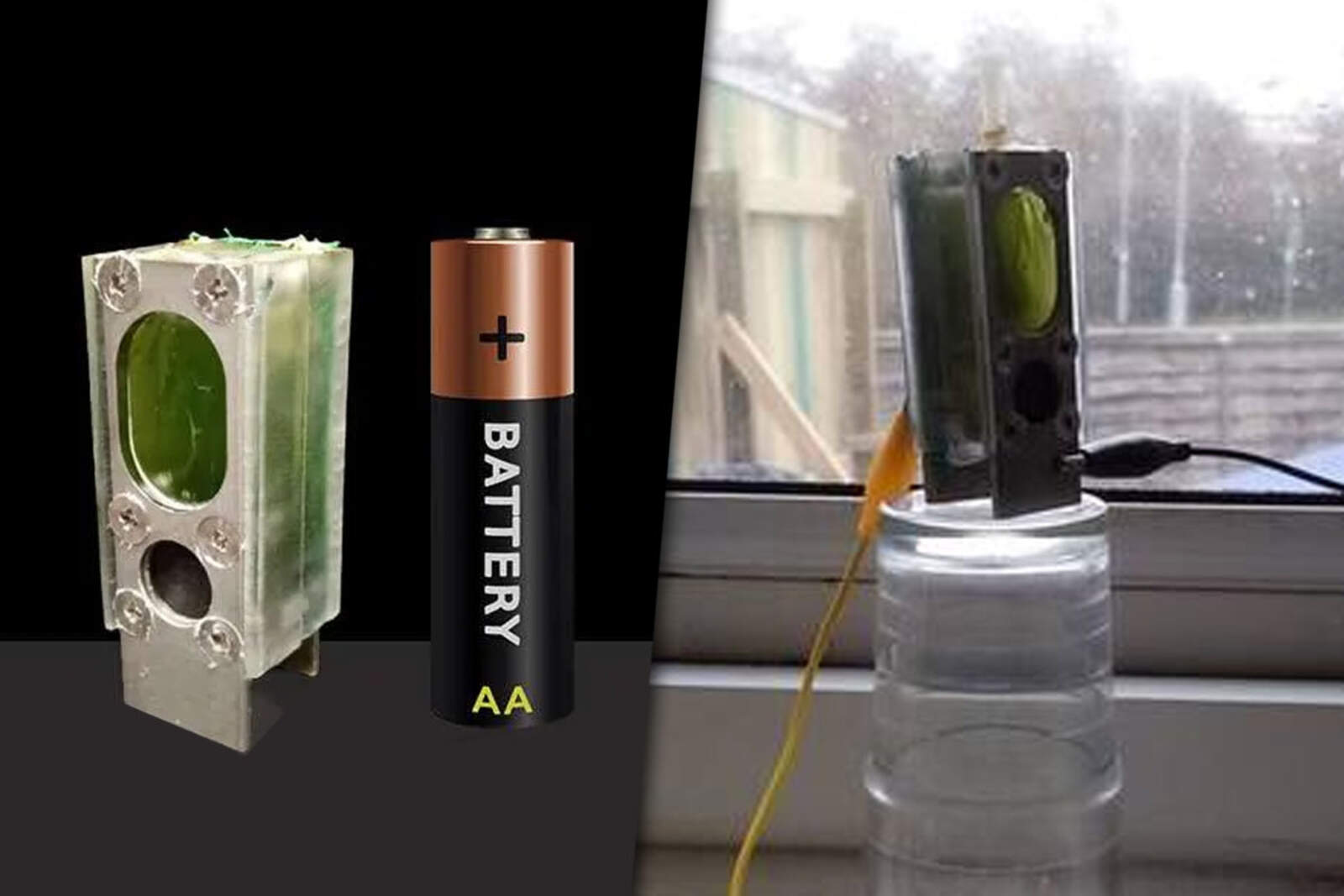
The research was led by the University of Cambridge and published in the scientific journal Energy & Environmental Science. The system is similar in size to an AA battery.
Inside it there is a living colony of cyanobacteria that perform photosynthesis. During that process they generate electrons, which are captured by electrodes and transformed into a minimal but constant electric current.
The role of photosynthesis
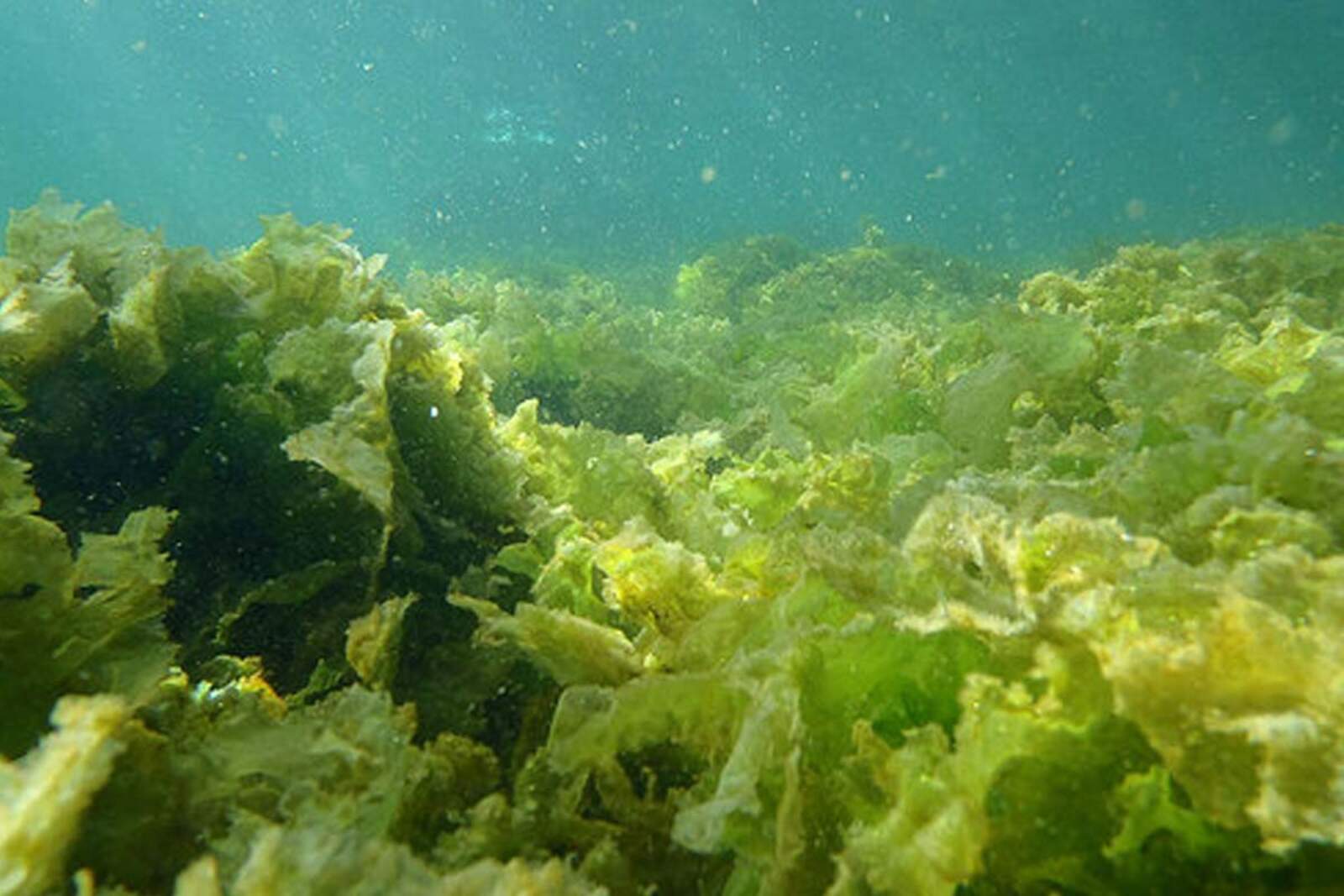
The species used, Synechocystis sp. PCC 6803, is known for its resistance. It captures light, produces chemical energy, and keeps the electrical flow stable even with normal light and dark cycles.
The system uses common and recyclable materials, such as an aluminum anode, which reinforces its sustainable and low-cost profile.
Microwatts that are worth gold for the Internet of Things
The biobattery doesn't compete in power with a traditional battery or with a solar panel. Its strength lies in persistence: it can power devices that consume very little for long periods.
La biobatería no compite en potencia con una batería tradicional ni con un panel solar
The chip used belongs to the Arm family and is designed for simple tasks, such as sensors, environmental monitoring, or IoT devices. With just microwatts, it can continue operating indefinitely.
The main challenge: extracting energy without damaging the cell
The major bottleneck is how to extract more electrons without affecting the life of the algae. Today, the technology is useful only for very low-demand loads.
Current research aims to improve electrodes, porous materials, and internal architectures in order to increase energy density without losing the system's self-repair capacity.