A scientific experiment revealed that artificial intelligence can reactivate forgotten childhood memories
Nuevo
Agregar La Derecha Diario en
Compartir:
A team of scientists discovered that artificial intelligence (AI) can help unlock childhood memories that remain hidden in adult memory. The experiment, conducted by researchers from Anglia Ruskin University and published in Nature Scientific Reports, revealed that briefly altering one's own body perception can reactivate forgotten autobiographical memories.
According to the specialists, this finding demonstrates that memories do not depend solely on the brain, but also on the physical sensations and body perception associated with the moment experienced. The research opens a new field of study for cognitive neuroscience and suggests possible therapeutic applications in the treatment of memory disorders.
La inteligencia artificial está diseñando experimentos de física que los humanos nunca hubieran imaginado
An experiment to reconnect with the "child self"
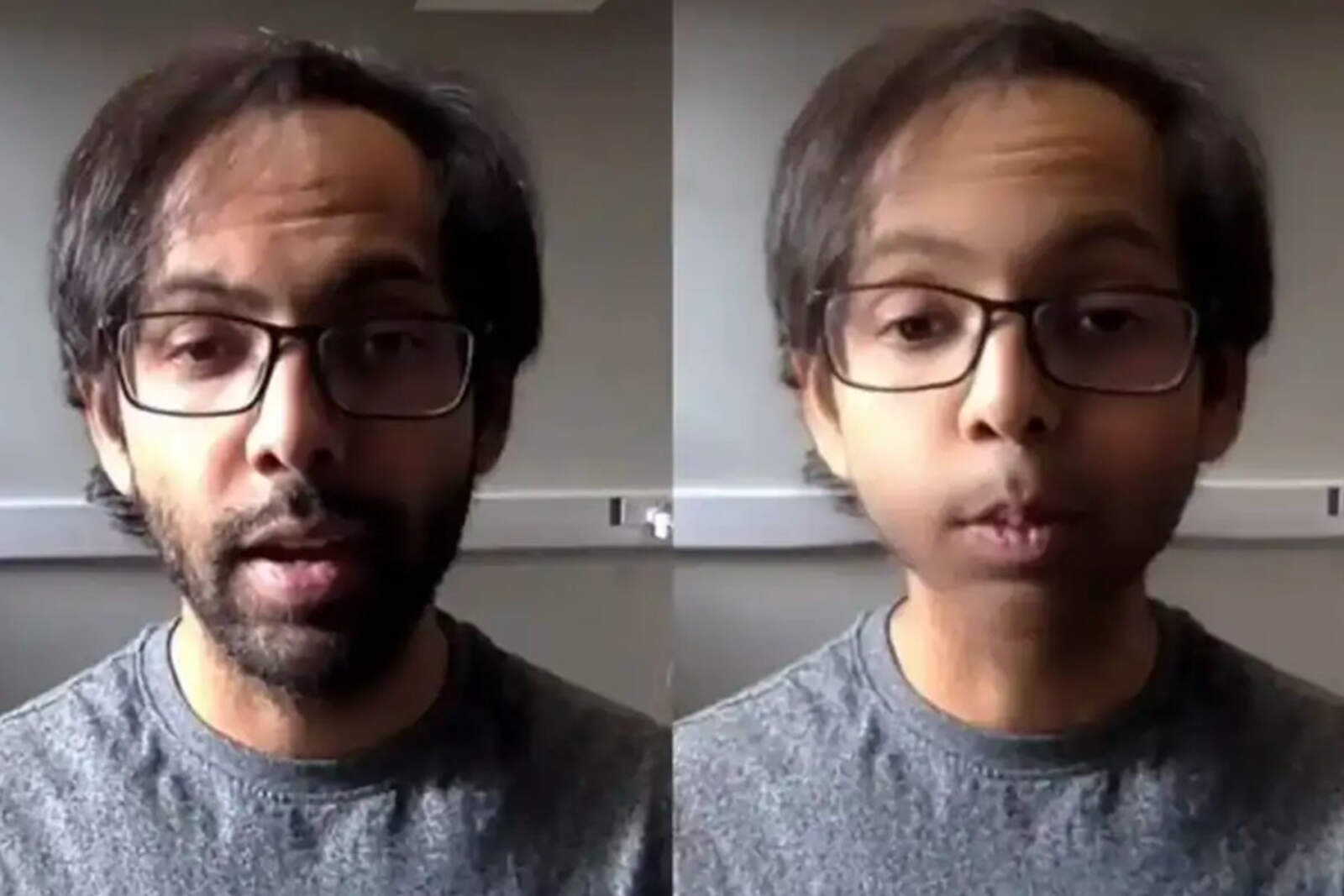
The study, led by Dr. Utkarsh Gupta from the University of North Dakota, involved 50 adult participants. They were shown a modified version of their face created with AI, simulating how they looked as babies or children. The system replicated their gestures and movements in real time, generating a sense of emotional and physical recognition.
This phenomenon, known as the facial distortion optical illusion, made the volunteers feel that the childlike face on the screen belonged to them. That perception was key for the brain to connect with old memories associated with that stage of life.
AI managed to awaken more vivid memories
After the experiment, the participants underwent an autobiographical interview. The results were conclusive: those who had seen their childlike version remembered more details and sensations than those who only observed their current face.
Utkarsh Gupta de la Universidad de Dakota del Norte
"We discovered that temporary changes in body perception can improve access to childhood memories if the face is replaced by a childlike version," Gupta explained. "The brain stores information about the body along with memories, and reintroducing those signals facilitates their retrieval, even decades later," he added.
Therapeutic applications and future research
The finding could have a strong impact on the understanding of childhood amnesia, the phenomenon that prevents recalling experiences before the age of three. According to Gupta, "by recreating the physical sensation of that stage, the brain is given a clue to access those memories".