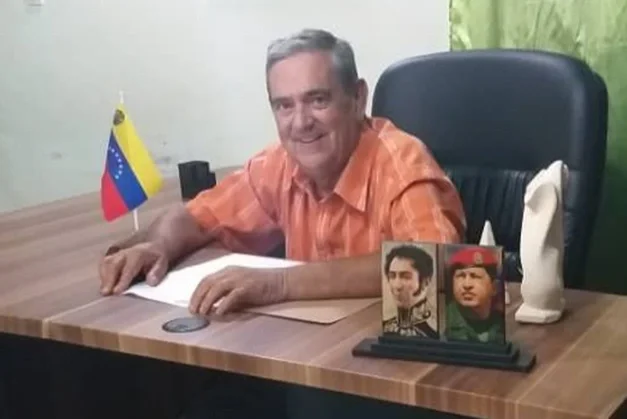
The fact that a terrorist from ETA like Arruti was hired as a consultant for PDVSA underscores the deep symbiosis between Bask terrorism, Venezuelan oil corruption, and the shadow of Zapaterismo.






The historic member of ETA died in Venezuela after years linked to chavismo and PDVSA, amid investigations in Spain that also implicate José Luis Rodríguez Zapatero.
The fact that a terrorist from ETA like Arruti was hired as a consultant for PDVSA underscores the deep symbiosis between Bask terrorism, Venezuelan oil corruption, and the shadow of Zapaterismo.





Venezuela has consolidated under Chavismo as the ultimate refuge for fugitives from international justice, providing political, administrative, and economic protection that is once again at the center of controversy. The recent death of Xabier Arruti Imaz, one of the leading figures of the terrorist group ETA in the Caribbean country, is irrefutable proof of a network that not only allowed the residency of murderers but actively integrated them into the structure of the State to serve the interests of the dictatorship of Maduro.
The death of this bloodthirsty ETA member occurred in Chichiriviche, Falcón state, a tourist area that the regime transformed into a shelter for terrorists. In that same locality, another criminal of the worst kind, José Ignacio de Juana Chaos, took refuge after fleeing Spanish justice in 2010. Arruti, far from living in hiding, enjoyed an active and privileged public life: he was a delegate of the United Socialist Party of Venezuela (PSUV) and held positions in public companies such as Gas Comunal, a subsidiary of the state oil company PDVSA.
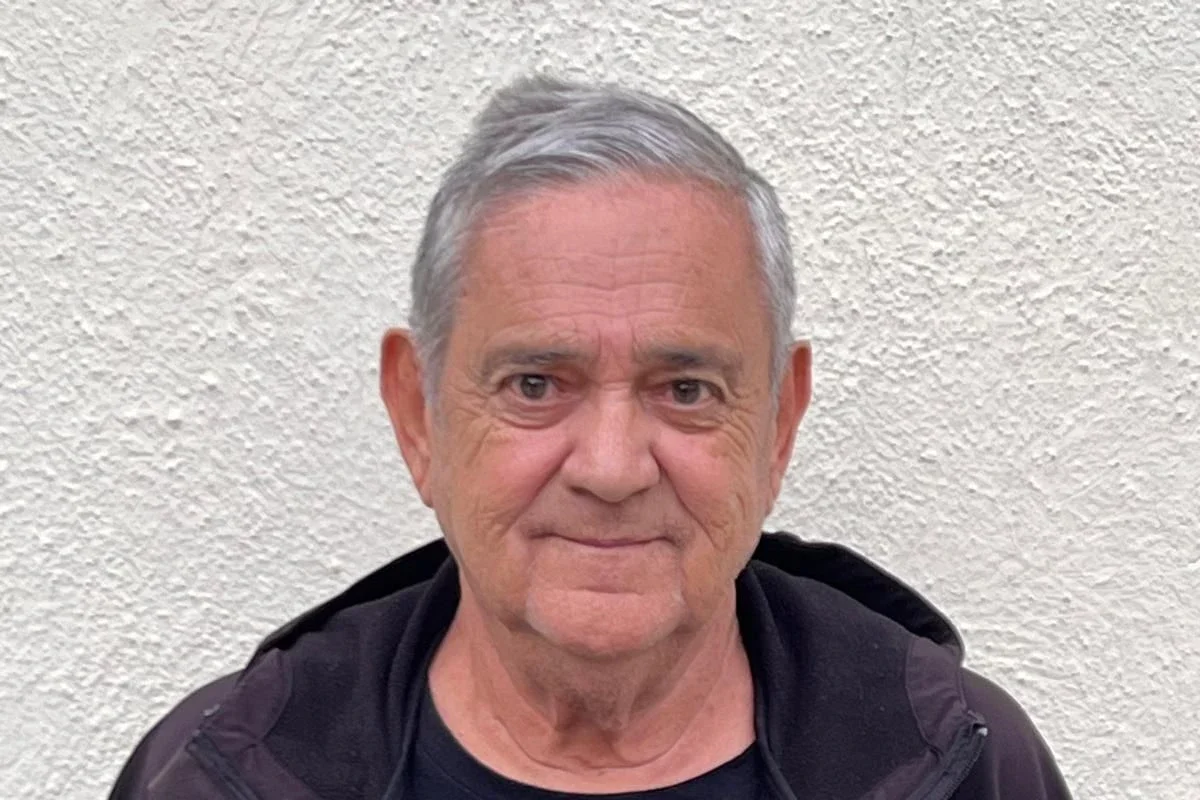
This link with PDVSA is particularly alarming today, as the National Court of Spain investigates corruption networks that reach former president José Luis Rodríguez Zapatero.
According to investigations by Judge José Luis Calama in the context of the Plus Ultra case, the Spanish politician allegedly exercised a "determining influence" in crude oil buying and selling operations, being identified as the "leader" of an "organized influence peddling scheme".
The trajectory of Arruti reflects a disdain for the law and life. Born in Lazcano in 1954, he fled the Basque Country in the early 1980s. After a brief stay in France, he arrived in Venezuela in April 1981, where he became the visible face of the ETA colony.
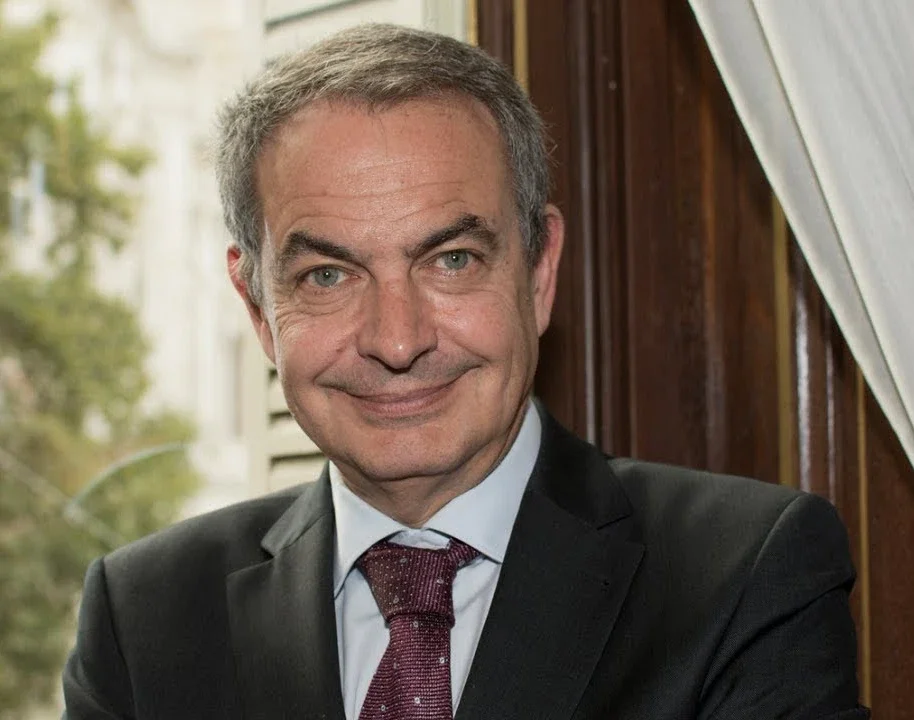
His involvement with the axis of regional evil became evident in 2010, when he was interviewed by Venezuelan state television to try to deny reports that already indicated the presence of members of ETA in "support or training for the Colombian FARC".
In short, the figure of Xabier Arruti Imaz embodies the employment coverage and social roots that the Venezuelan regime has guaranteed to those with blood-stained hands, integrating them into a public network that today is crumbling under the weight of the evidence of corruption that implicates both dictator Maduro and his accomplices in Spain.