

Yellow alert for extreme cold in Buenos Aires, Santa Cruz, and Entre Ríos

Yellow alert for extreme cold in Buenos Aires, Santa Cruz, and Entre Ríos

The SMN warned about temperatures much lower than usual in several areas of the country and urged special care for at-risk groups this Monday

Share:

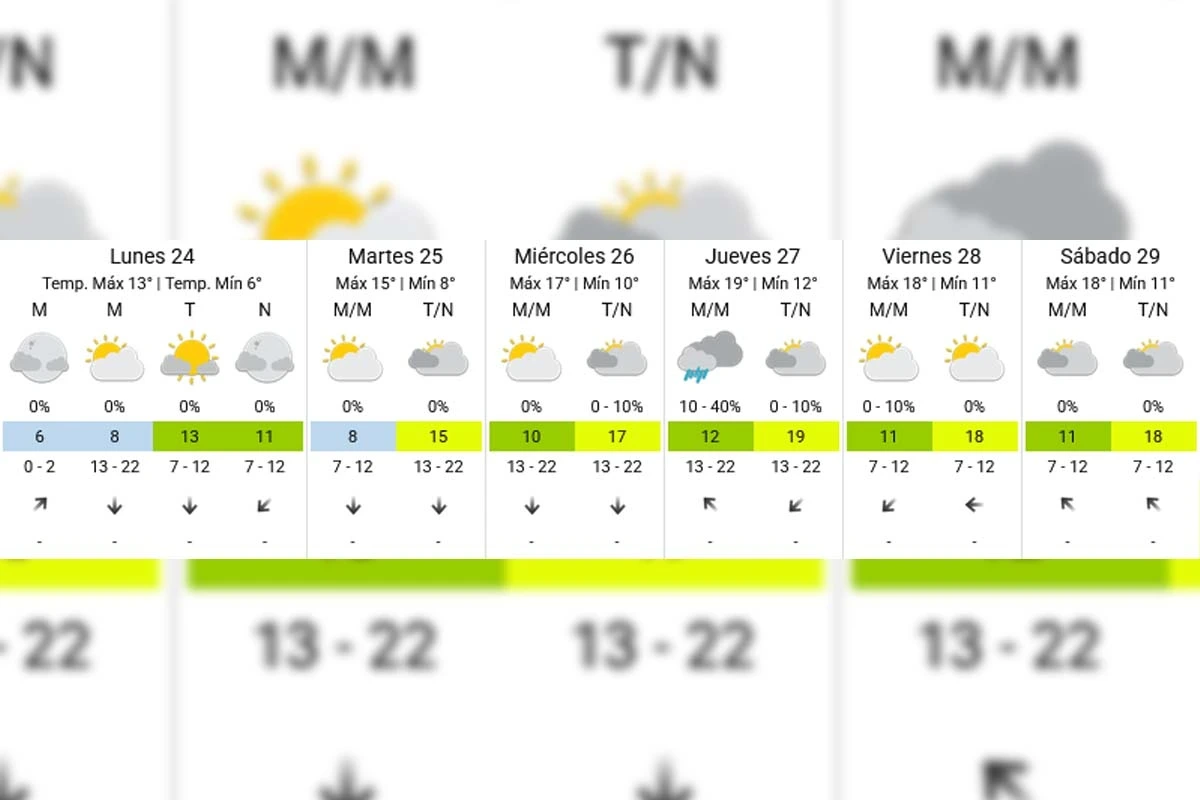
The National Meteorological Service issued a yellow alert for extreme cold affecting sectors of Buenos Aires, Santa Cruz, and Entre Ríos on this Monday, August 24. The warning points to temperatures well below the usual values for this time of year and requires precautions, especially among those in the most vulnerable groups.

According to the agency, in the province of Buenos Aires, the alert covers the center and northeast, including the Metropolitan Area. In Santa Cruz, it is concentrated in the mountainous area and the center of the province. In Entre Ríos, the warning is in effect for the southeast.

🟡​ There is a yellow alert for extreme cold in Buenos Aires, Santa Cruz, and Entre Ríos for this MondayThis type of episode can be dangerous, especially for children, elderly people over 65, and those with chronic illnesses. That is why the SMN insists on taking extra precautions and avoiding prolonged exposure to the cold.

Alerts are defined by comparing the expected temperatures with the historical records of each region. When much lower than normal values are expected and the phenomenon lasts several days, the risk level can escalate from yellow to orange or red.

How alert levels are established

The National Meteorological Service not only considers the intensity of the cold but also its persistence. The lower the temperatures and the greater the number of consecutive days with those conditions, the higher the level of alert issued.

Imagen 1448050

In this case, the yellow level indicates a moderate risk to the health of the population, but enough to activate specific recommendations aimed at reducing exposure and protecting the most sensitive groups.

Meteorological authorities remind us that extreme cold not only causes discomfort but can also worsen respiratory, cardiovascular, and other pre-existing conditions if preventive measures are not taken.

That is why it is crucial to pay attention to official communications and follow basic care guidelines throughout the day and the following days if the phenomenon persists.