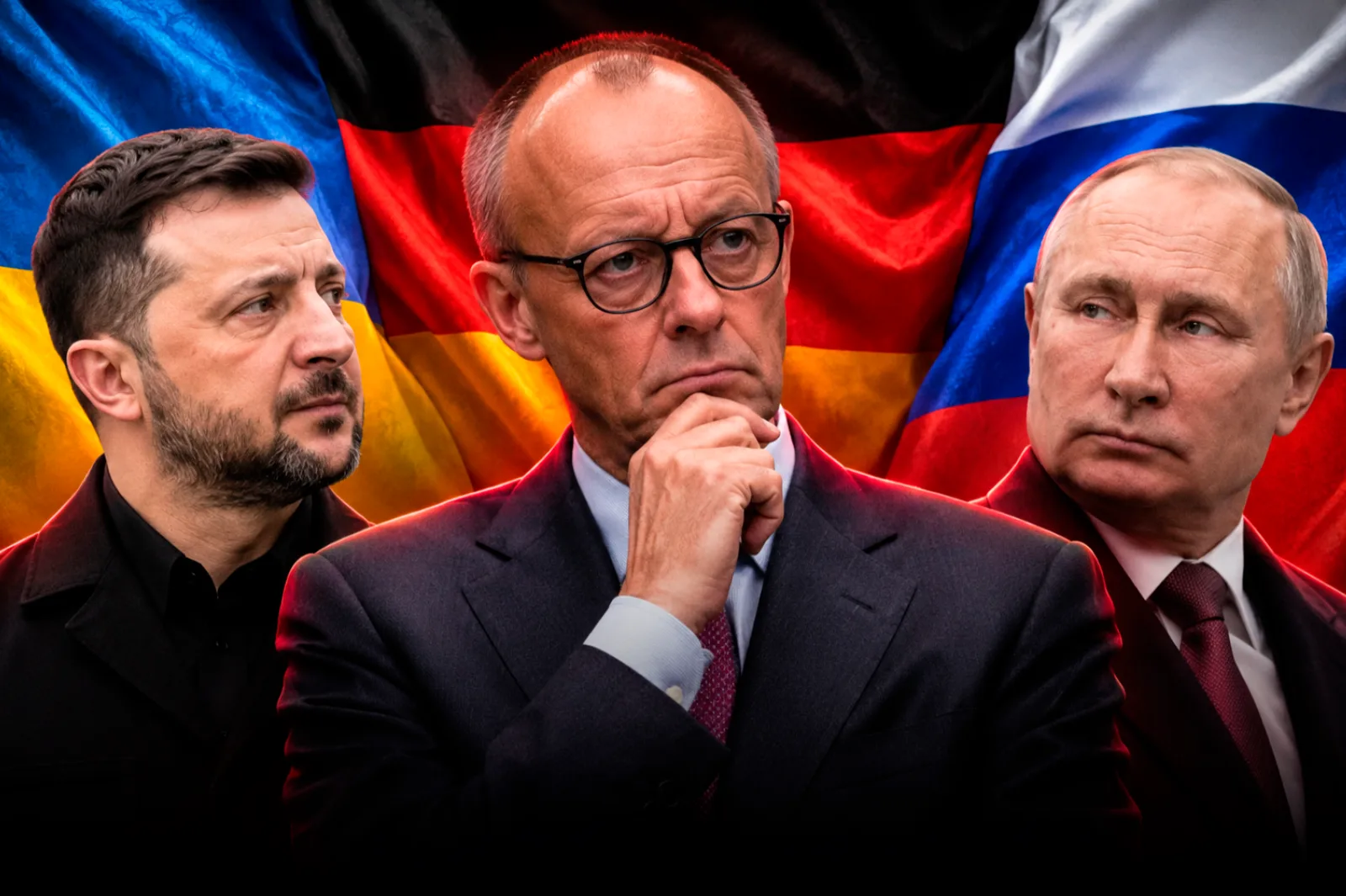

A majority of Germans reject military aid to Ukraine amid the weariness from the war with Russia

A majority of Germans reject military aid to Ukraine amid the weariness from the war with Russia

53% of Germans oppose sending weapons to Kiev, a shift in public opinion that increases pressure on Merz's government

Share:

The support of the German population for military assistance to Ukraine has fallen considerably and, for the first time in a year, a majority of citizens are against continuing to send aid to Kiev while Russia maintains its war against the country. A survey published on Tuesday revealed that 53% of Germans reject that assistance, compared to 46% who still consider it necessary.

The results represent a significant change from 2025, when 59% of respondents supported sending military aid and only 39% opposed it. The shift in public opinion reflects the growing weariness in Germany and other NATO countries regarding the support for Ukraine, in a context marked by pressures on the cost of living and the prolongation of the conflict, which began with the large-scale Russian invasion in February 2022.

Germany has become, since the beginning of the war, the main provider of military assistance to Ukraine within Europe. The government of Chancellor Friedrich Merz and other Western allies promised to maintain support for Kiev for as long as necessary. However, the growing rejection from the population poses a political challenge for Berlin and highlights the difficulties in sustaining that commitment as the conflict drags on.
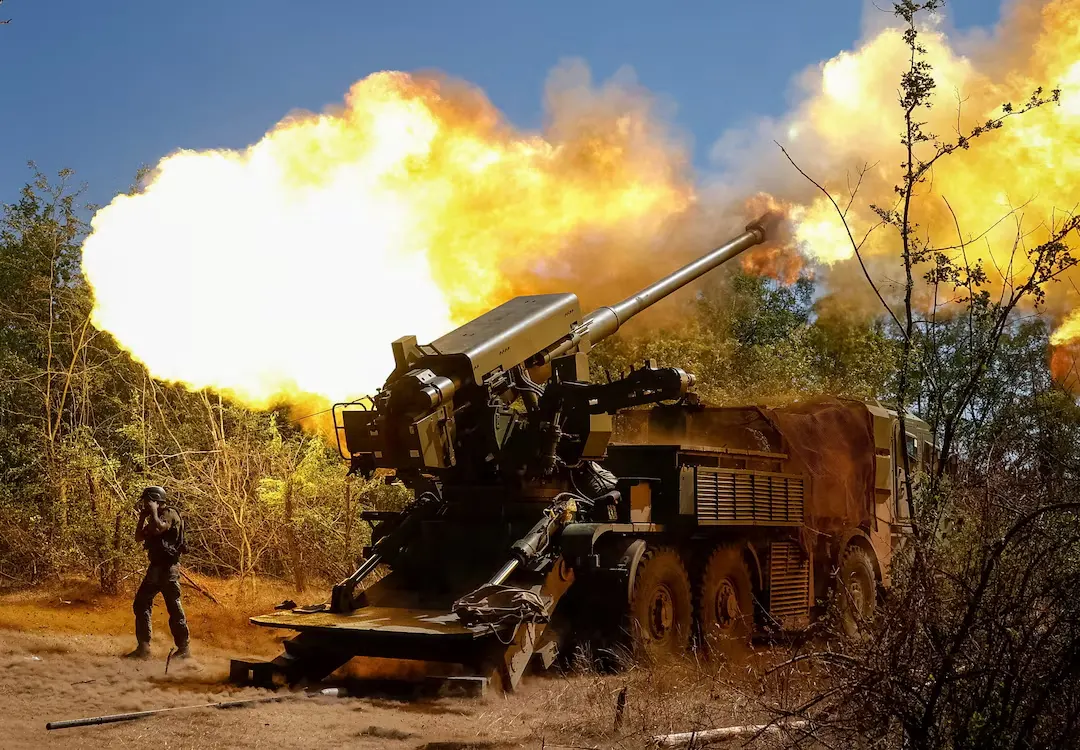
There was a sharp drop in German society's support for military assistance to Ukraine in the war against Russia

The situation also coincides with a decline in Merz's popularity and the rise of Alternative for Germany (AfD), the right-wing party that currently leads national voting intention polls. The political formation opposes continuing to finance military assistance to Ukraine and proposes to restore relations with Moscow, a position that contrasts with the foreign policy maintained so far by the German government.

The change in public opinion represents additional pressure for Merz, who must balance Germany's international commitments with a citizenry that is increasingly unconvinced that sending arms is the best response to end the war.

During a meeting in Berlin, German Foreign Minister Johann Wadephul defended the continuity of support for Ukraine and stated that the position of Western countries regarding the conflict constitutes a fundamental test for the international order.
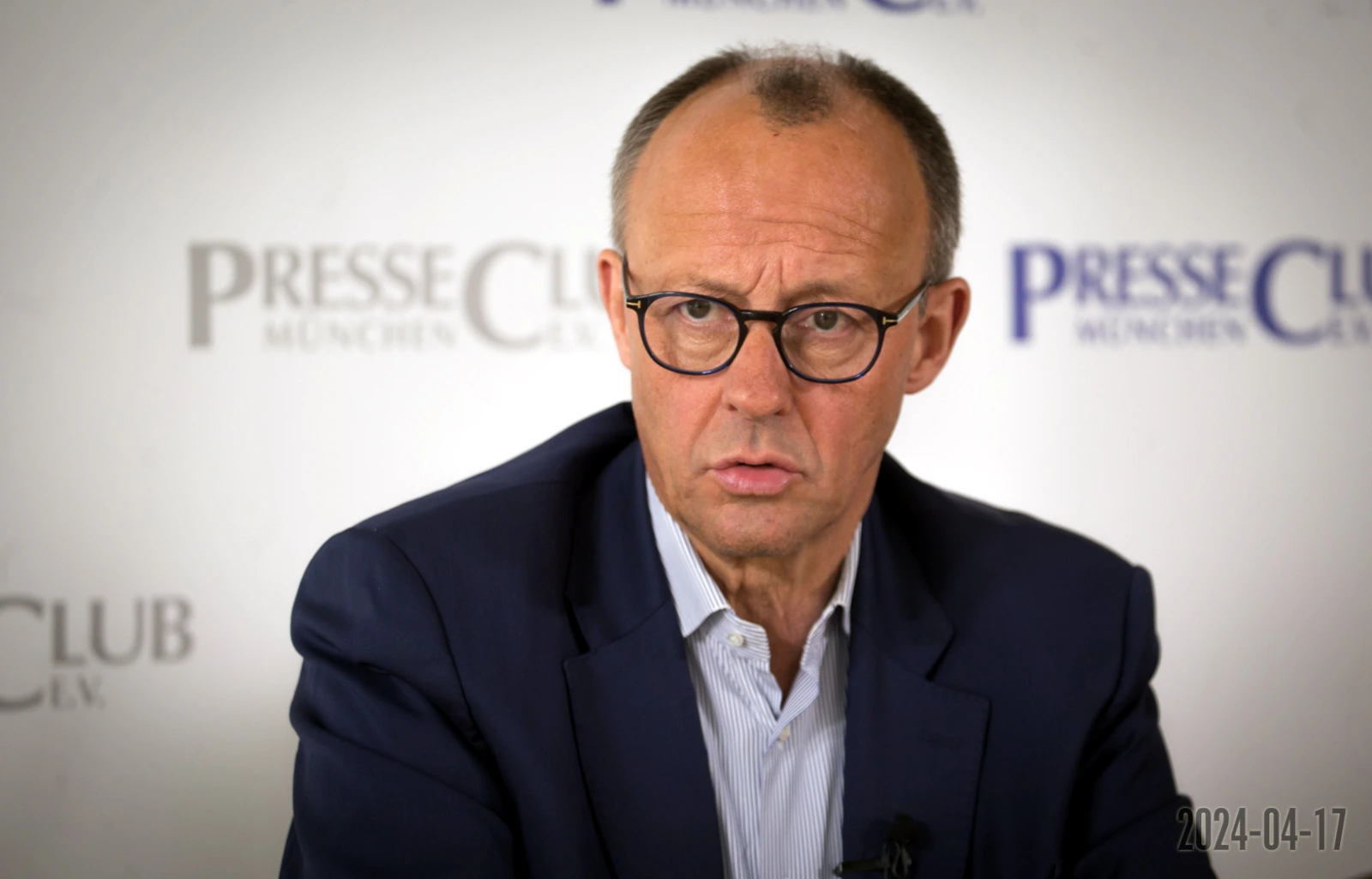
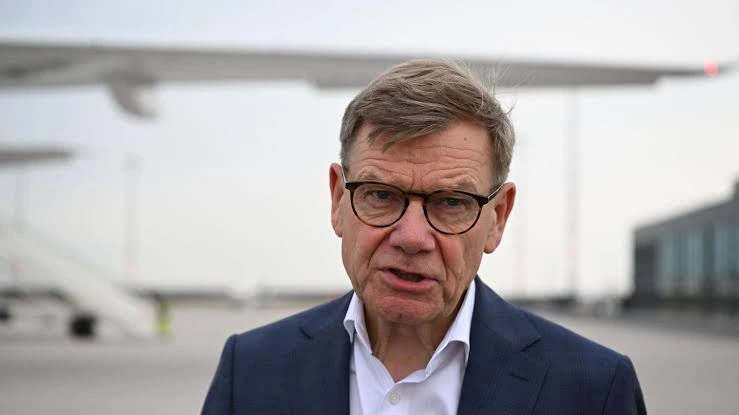
''We must always stand by Ukraine. It is not only for Ukraine, which would already be reason enough to support this country and its people,'' the official asserted.

Public opinion in German society is consistent with a sharp drop in Merz's popularity and a rise in the popularity of the right-wing AFD party.

Wadephul added that support for Kiev also represents a defense of the system of freedoms and European security, as well as the principle that the rule of law must prevail. He argued that the German position regarding the Russian invasion will have consequences that go beyond the immediate outcome of the war.

However, other results from the survey show that the German population also has reservations about the military and diplomatic role that the country should assume in Europe.

64% of respondents expressed opposition to Germany taking military leadership within the continent, while 61% believe that the country and the rest of Europe should make greater efforts to promote peace negotiations between Russia and Ukraine.

The German Foreign Minister defended assistance to Ukraine and stressed that it is part of the German strategy of military strengthening

Additionally, 48% believe that Germany should act with greater moderation in the face of international crises, while only 40% think it should become more decisively involved.

The figures reflect a growing preference for a less militarily committed foreign policy and one more oriented towards diplomatic negotiation. They also highlight the difficulties that European governments face in maintaining a common strategy towards Moscow as fatigue increases within their own societies.