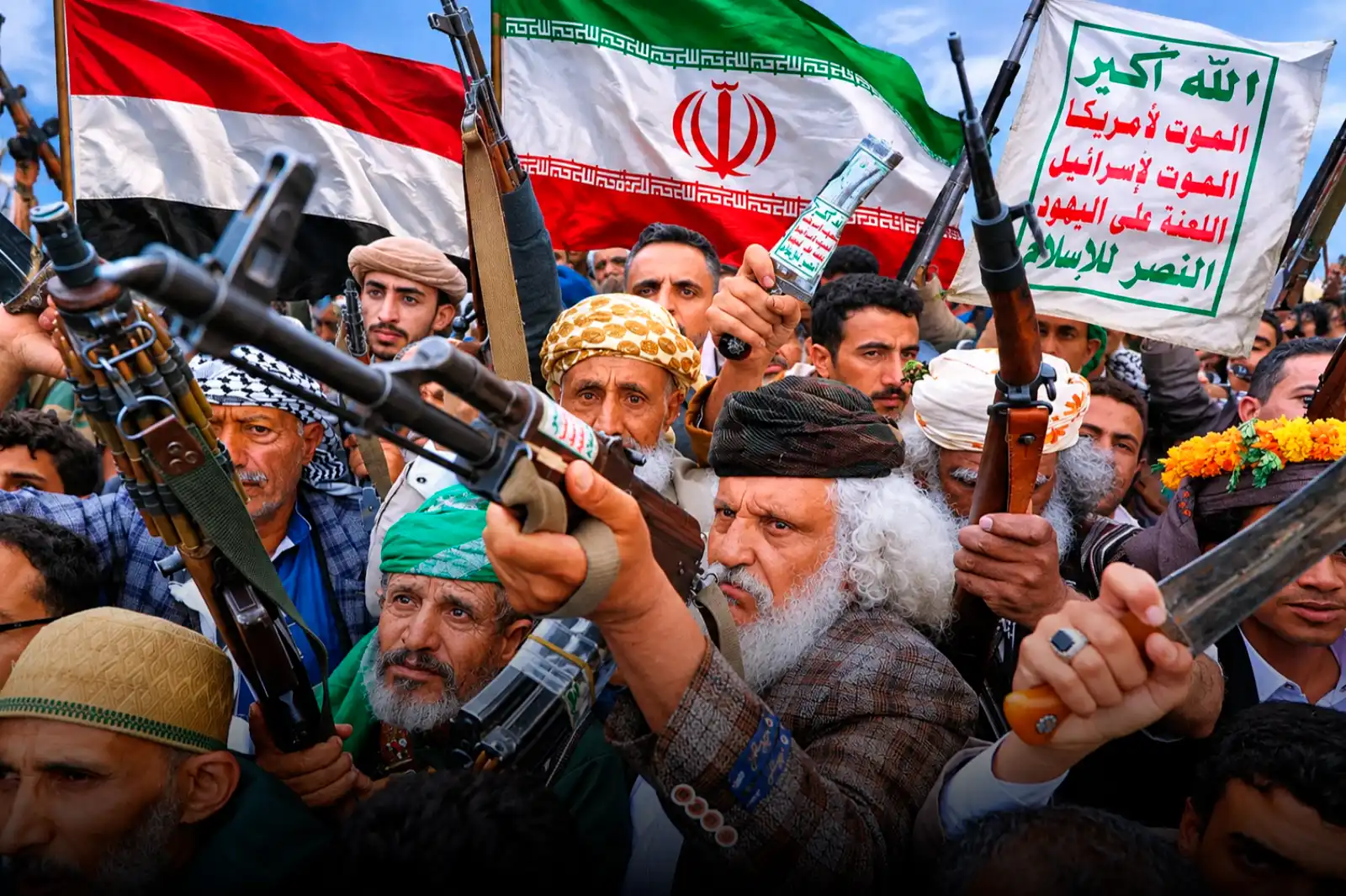
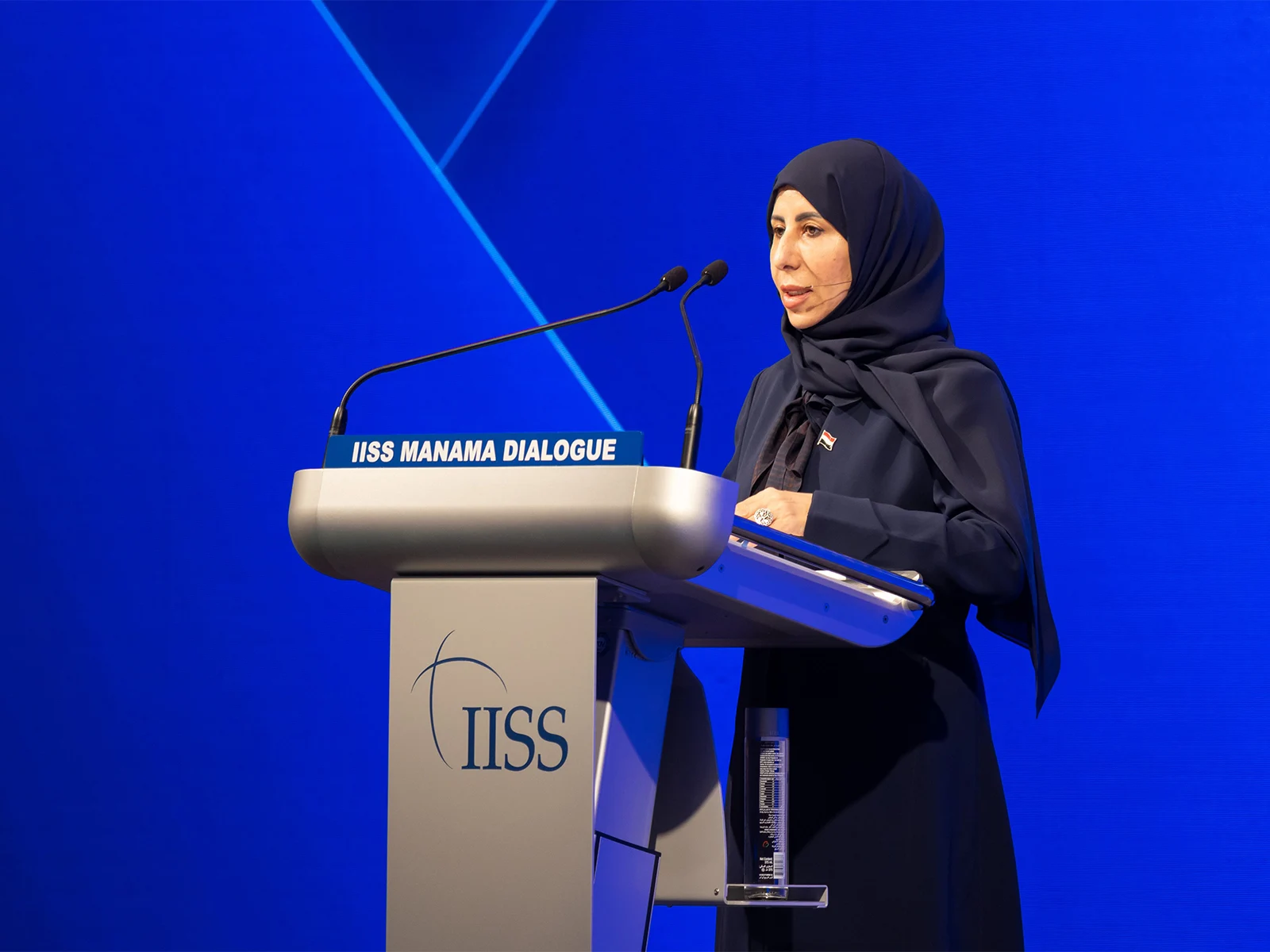
The escalation of violence in Yemen and its repercussions on the security of the Persian Gulf have revived criticism against the Iranian regime, accused of militarily and financially supporting the Yemeni Houthi rebels. Yemen's Foreign Minister, Afrah Al-Zouba, warned this Saturday that protecting the strategic Bab el Mandeb Strait and ensuring international navigation requires directly confronting the source of the threat: stopping the supply of weapons and ending Tehran's support for the Shiite militia, which she labeled a terrorist organization.
The minister made these statements during the Manama Dialogue, the annual regional security conference organized by the International Institute for Strategic Studies (IISS) in Bahrain, which began on October 30 and concludes this Sunday.
Subsequently, she summarized her position in a post on X, where she insisted on the need to enforce the arms embargo, support Yemen's legitimate institutions, and curb Iranian influence over armed groups that destabilize the region.
The Yemeni government urged to take action against the Iranian regime and stop funding Houthi terrorists
Al-Zouba stated that there can be no lasting regional security while Yemen remains fragmented and under the threat of externally backed organizations. In this regard, she called for restoring state authority across the territory and ensuring that decisions regarding war and peace, as well as control of arms, remain exclusively in the hands of legitimate national institutions.
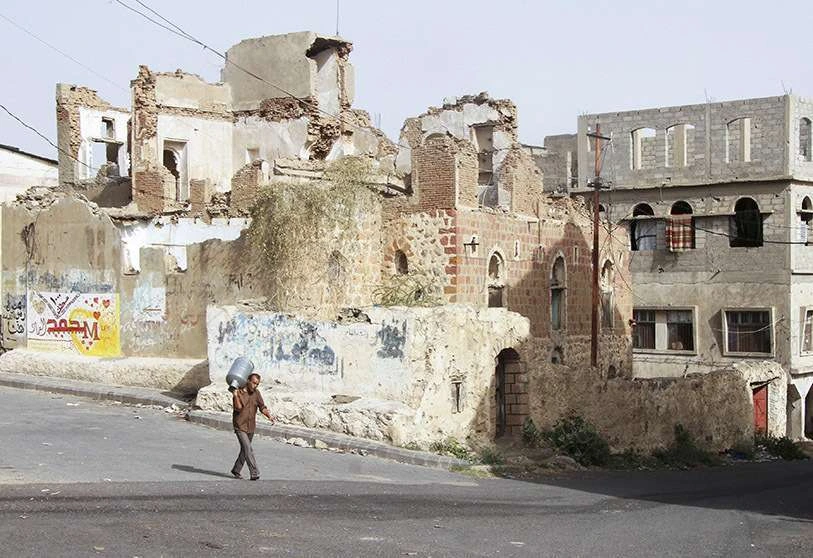
The foreign minister also denounced the prolonged siege of Taiz, a city in the south of the country, which she described as a ''war crime.'' She demanded international intervention to lift the blockade and permanently reopen access routes, which keep part of the civilian population isolated.
Al-Zouba took office on July 23 and became the first woman to hold the Yemeni Foreign Ministry. She represents the internationally recognized government, which is opposed to the Houthis, who control Sana'a and large areas of the western part of the country. Before her appointment, she served as Minister of Planning and International Cooperation and has over 25 years of experience in development and peacebuilding.
The Yemeni government denounced the Siege of Taiz as a “war crime” and demanded international intervention
While the Yemeni government calls for measures against Tehran, the consequences of the Houthi offensive are already directly affecting the infrastructure and air transport of Saudi Arabia. According to reports, approximately 94% of the flights scheduled to depart from King Khalid International Airport in Riyadh were canceled between October 10 and 27.
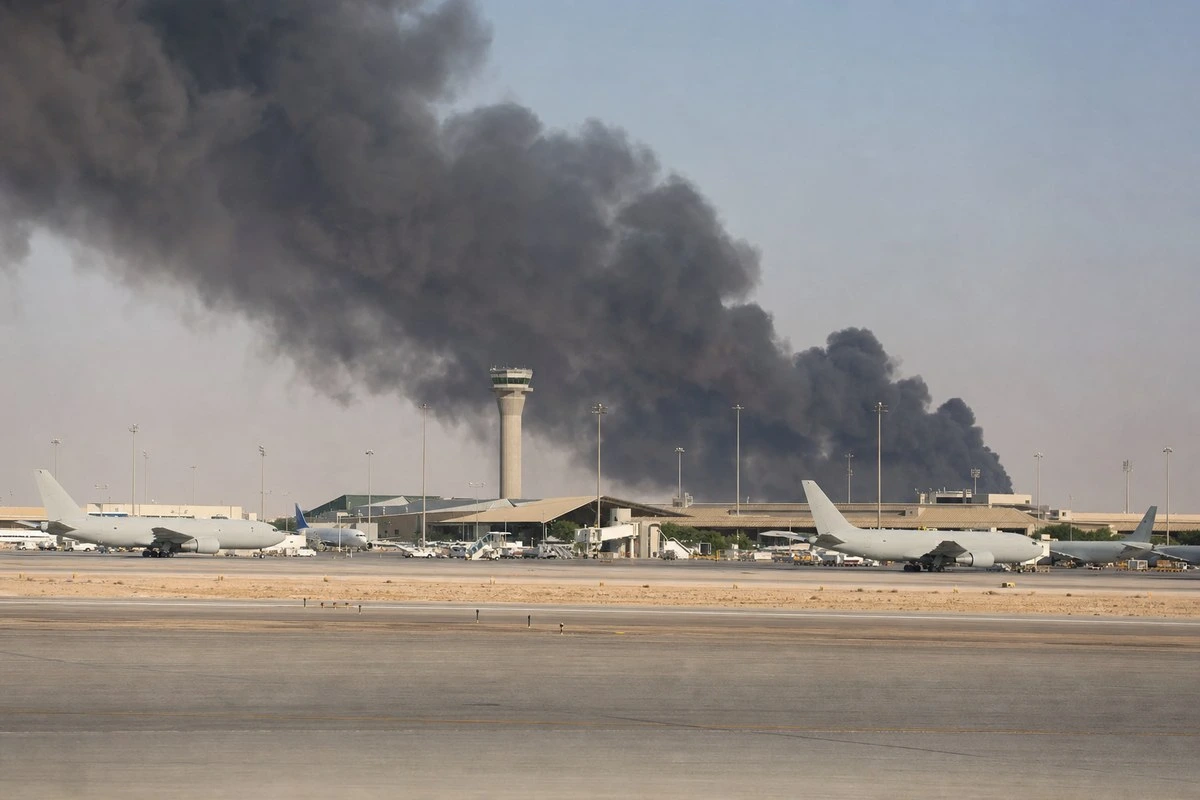
The deadliest incident occurred on October 10, when a ballistic missile struck an airport terminal complex. Saudi authorities initially reported 12 fatalities and around 300 injuries. One of the injured later died. Among the victims was an American citizen. The attack became the deadliest against the kingdom in over a decade.
Reports indicated that Houthi bombings aggravated disruptions to regional air transport, which was already suffering the consequences of the war with Iran. Between February 1 and October 27, 26,561 flights were canceled at the main airports in Riyadh, Dubai, and Doha, five times more than during the same period the previous year. Additionally, scheduled operations at those three terminals decreased by nearly 21%.
The rebels also attacked other Saudi facilities and threatened airlines with responding ''airport by airport, blockade by blockade, and escalation by escalation,'' a warning that highlighted the extent of their pressure strategy on the civil and economic infrastructure of the Gulf.
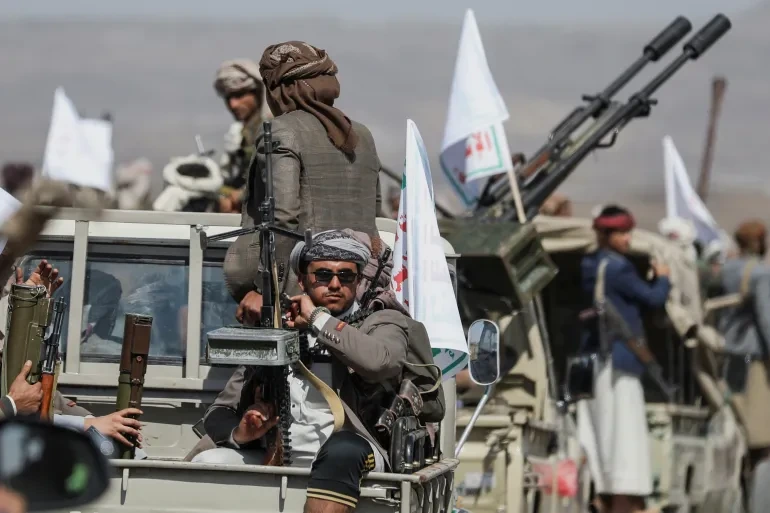
Houthi terrorists have carried out numerous attacks on Saudi Arabia and its airports, in which they killed numerous civilians, including a US citizen
The war between the United States, Israel, and Iran began on February 28. The Houthis joined the conflict in late March, when they launched attacks against Israel. In July, they announced a naval blockade against Saudi Arabia and began attacking oil tankers, increasing the risk to international trade routes.
Saudi Arabia, which has led a military coalition against the rebels since 2015, also suffered the collapse of the ceasefire promoted by the United Nations in 2022. Iranian influence over the Houthis constitutes one of the main obstacles to achieving a political solution and restoring stability in the country.
In October, Yemeni government forces, backed by Riyadh, launched Operation ''Yemen Dawn'' to reclaim territories controlled by the insurgents. The Houthi response included attacks on the airports of Riyadh, Abha, Jazan, Najran, and Dammam. On October 21, a bombing at the latter terminal left two dead and eight injured.
The Iranian regime's support for the terrorist group operating from Yemen has enabled its operations against navigation and commercial flights in the Middle East.
Riyadh airport partially reopened on October 25, with two terminals designated for national airline flights. However, the Houthis maintain their threat and consider the facility a ''military target,'' warning that it ''will never be safe.'' Saudi Arabia reported intercepting missiles and drones on October 26 and 27, as well as destroying launchers and weapons depots belonging to the insurgents.
The crisis also provoked diplomatic movements. Officials from Saudi Arabia, Iran, Turkey, and Pakistan met in Tehran and agreed to maintain dialogue. For its part, the Egyptian Parliament authorized the Army to assist in the defense of the Saudi kingdom.
Meanwhile, the conflict with Iran continues without a definitive solution, the Strait of Hormuz remains virtually closed, and Qatar continues its mediation efforts between Washington and Tehran.
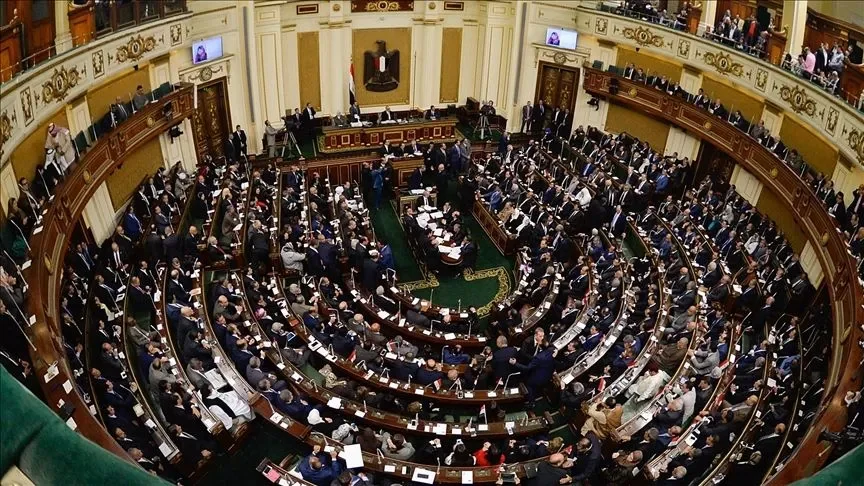
The Egyptian Parliament authorized his country's armed forces to collaborate with the defense of Saudi Arabia