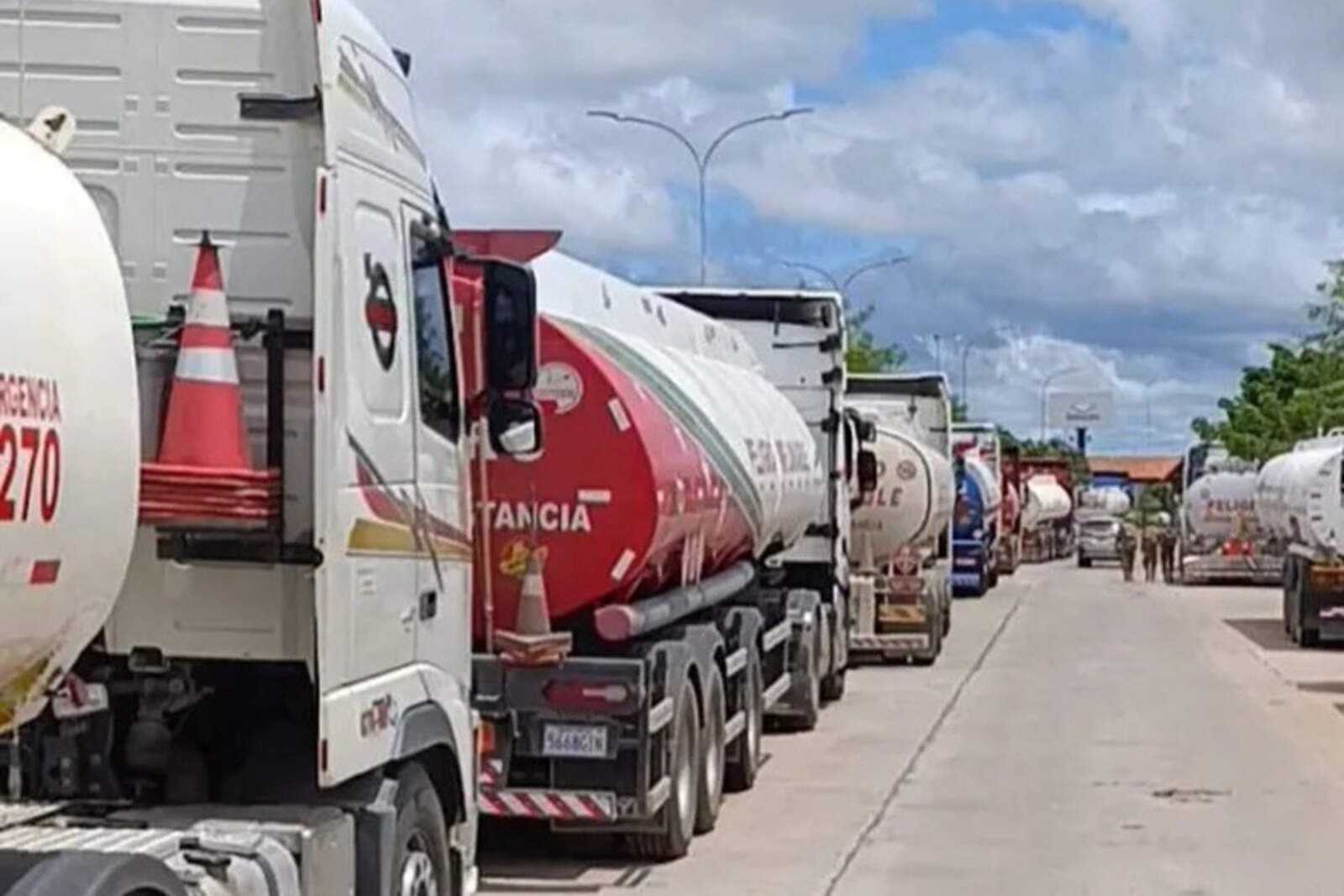
But Meraki Oil faces a key limitation. The gas stations that purchase imported fuel will not be able to sell fuels subsidized by YPFB. This restricts their market to large industrial and agricultural consumers, such as construction companies and soybean producers.
In this context, the Comité Cívico Pro Santa Cruz has demanded the immediate release of fuel imports. The civic request indicates that it should be without bureaucratic obstacles or restrictions that discourage private participation. They argue that the current regulations have prevented the private market from being able to supply the supply crisis.
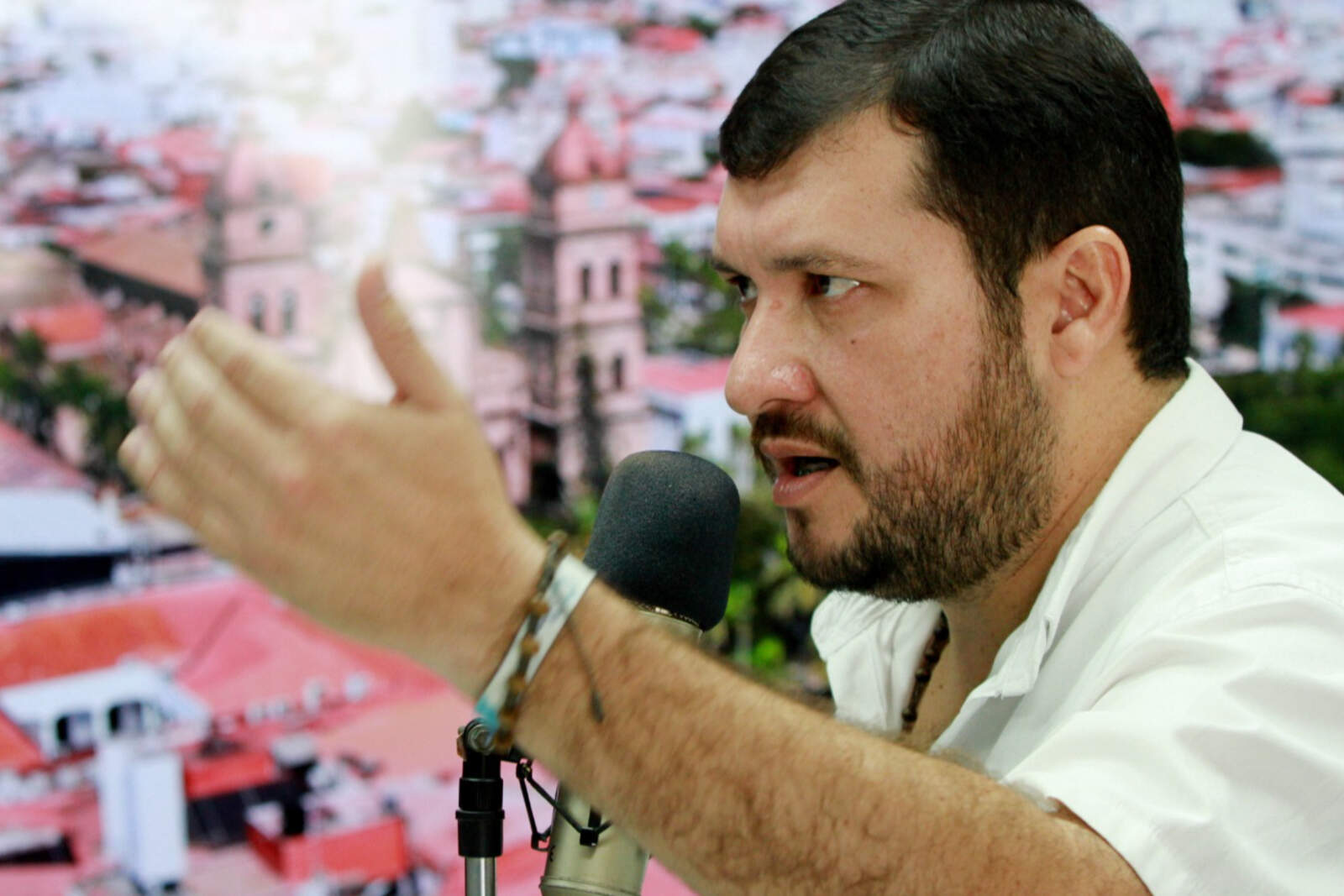
Stello Cochamanidis, president of the Comité Cívico, has denounced that the fuel shortage is not due to excess demand. According to the civic leader, the problem arises from the government's lack of payment to international fuel supplier companies. He has demanded accountability from the authorities.
The pressure from the productive sectors is growing. Entrepreneurs, union members, and transporters have expressed their support for the private initiative to import fuels without restrictions. They argue that the shortage severely affects production and trade in Santa Cruz.
The possibility of YPFB acquiring fuels imported by private companies has also been proposed. Alejandro Serrate, manager of Meraki Oil, has expressed his willingness to sell to the state company to alleviate the crisis. However, the lack of government decisions has delayed this alternative.
The debate on the need to end the state monopoly on fuels is intensifying. While the government maintains absolute control of the market, the supply crisis persists and hits the productive sectors.
The CCC and other private initiatives seek to demonstrate that free competition could guarantee a more efficient and stable supply. In the coming days, it is expected that the Comité Cívico will convene an Assembly of the Cruceñidad to define new pressure strategies.
Santa Cruz is at a turning point and on the brink of disaster. If the government doesn't relax the regulations and allow greater private participation, the crisis could worsen, affecting not only the region but the entire country.
The fuel supply crisis in the country has caused a vigorous questioning of the performance of the institutions of the masista regime. In response to the inefficiency of the central government, some entrepreneurs from Santa Cruz have proposed a bold alternative. The sector intends to break the state monopoly through private importation and the creation of a distribution cooperative.
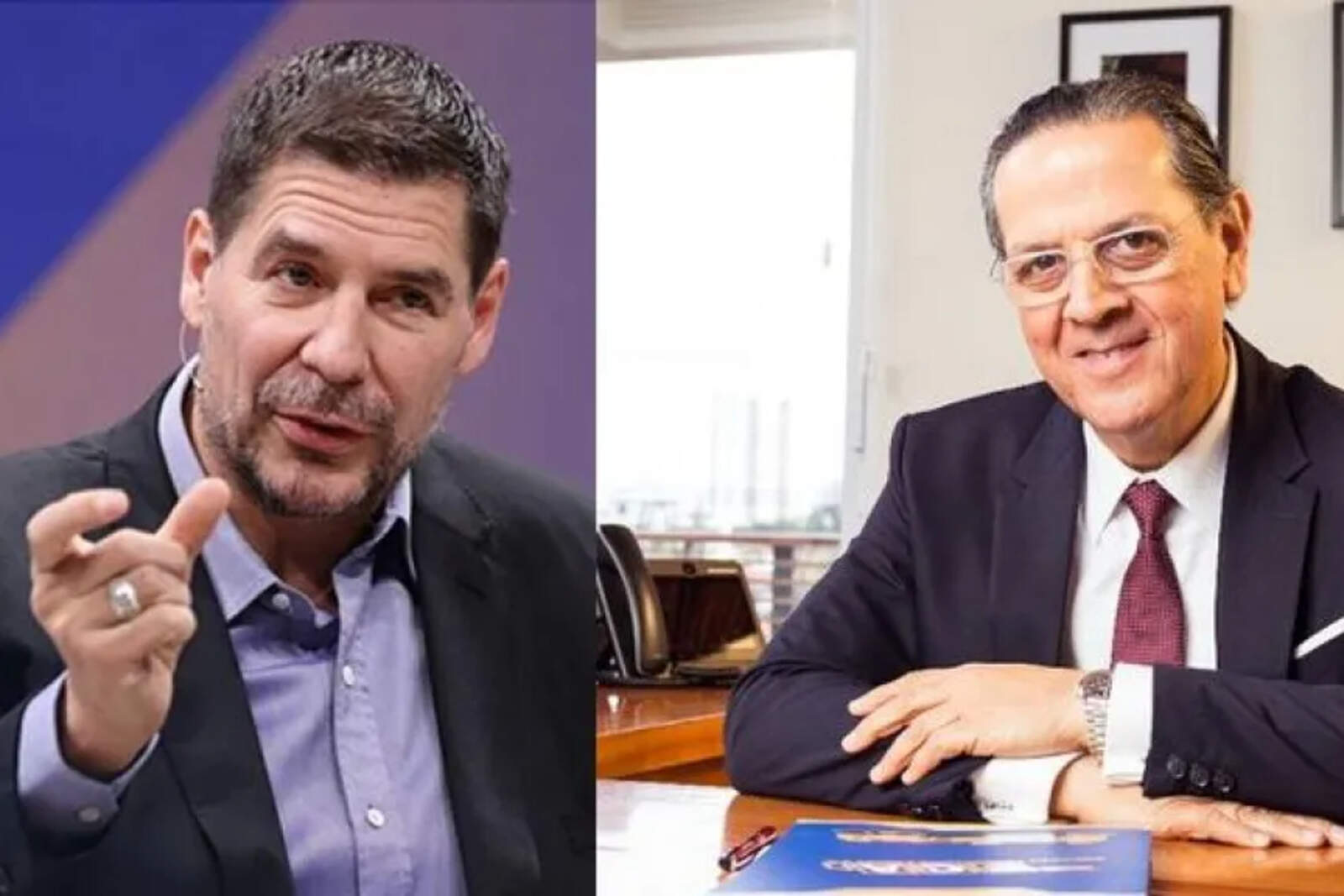
Winter Hinojosa and German Richter presented the statutes of the future Cooperativa Cruceña de Combustibles (CCC) to the Comité Cívico Pro Santa Cruz. In their document, they argue that the lack of government management has led to a crisis affecting producers and citizens. They seek support to consolidate an autonomous distribution model that guarantees the supply of fuels.
The CCC proposal contemplates three stages. In the short term, import fuels directly without the intermediation of Yacimientos Petrolíferos Fiscales Bolivianos (YPFB). The estimated cost ranges between 0.70 and 0.72 dollars per liter.
In the medium term, they intend to implement a maquila system, processing crude in foreign refineries to reduce costs. The proposal suggests in the long term, building a refinery in Santa Cruz that guarantees a stable supply.
The initiative is inspired by successful cooperatives in Santa Cruz, such as CRE, Saguapac, and Cotas, which have demonstrated efficiency in the provision of basic services. The project promoters assure that self-management is the only viable way in the face of state inoperability in the hydrocarbons sector.
Meanwhile, the company Meraki Oil positions itself as the first private actor authorized to import fuel under Supreme Decree 5218. However, its operation still depends on the final license from the National Hydrocarbons Agency (ANH). The company already has 10 million liters of diesel secured and ready for entry from Paraguay and Chile.
Is the regime still hindering alternatives?
Stello Cochamanidis Presidente del Comité Cívico Cruceño