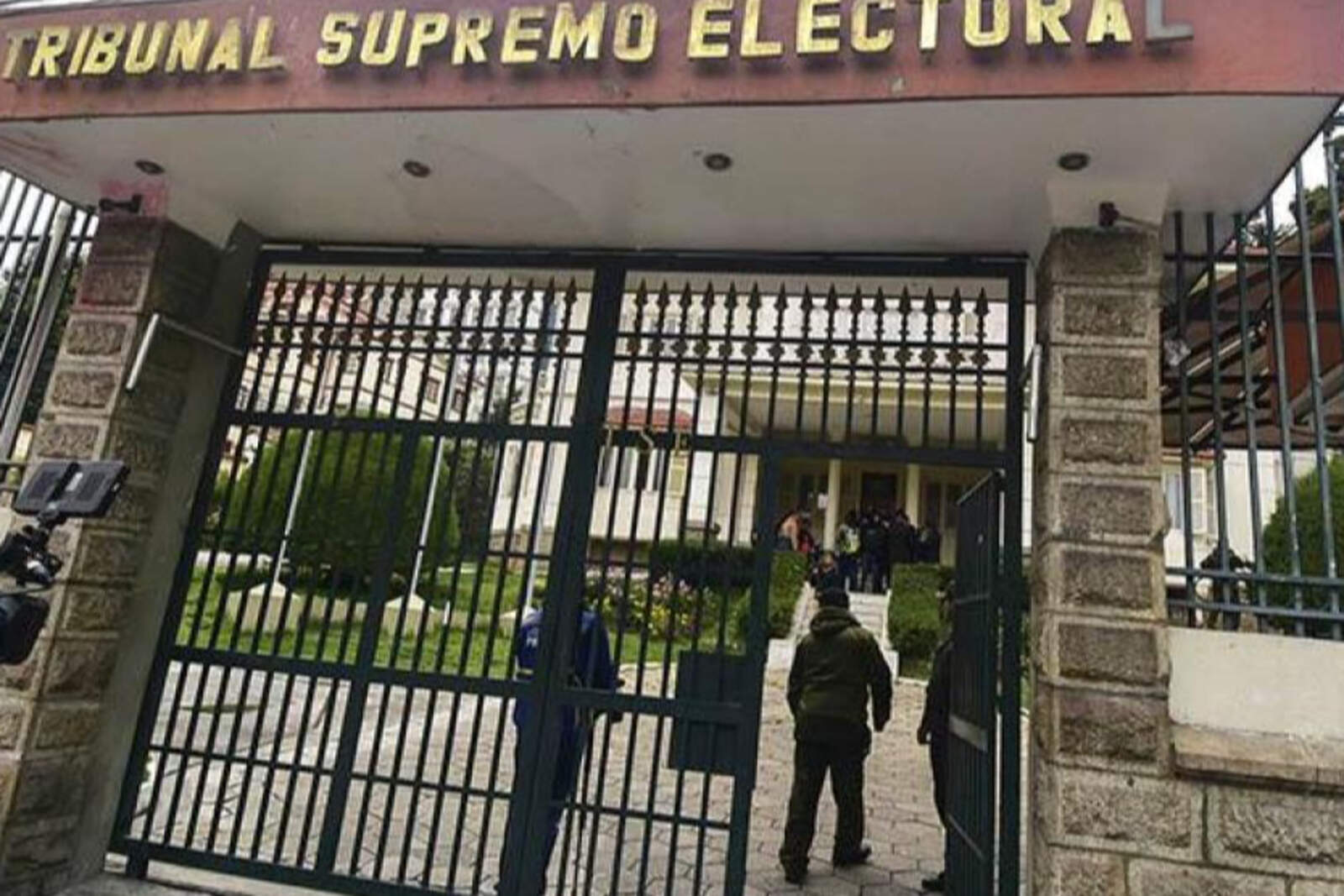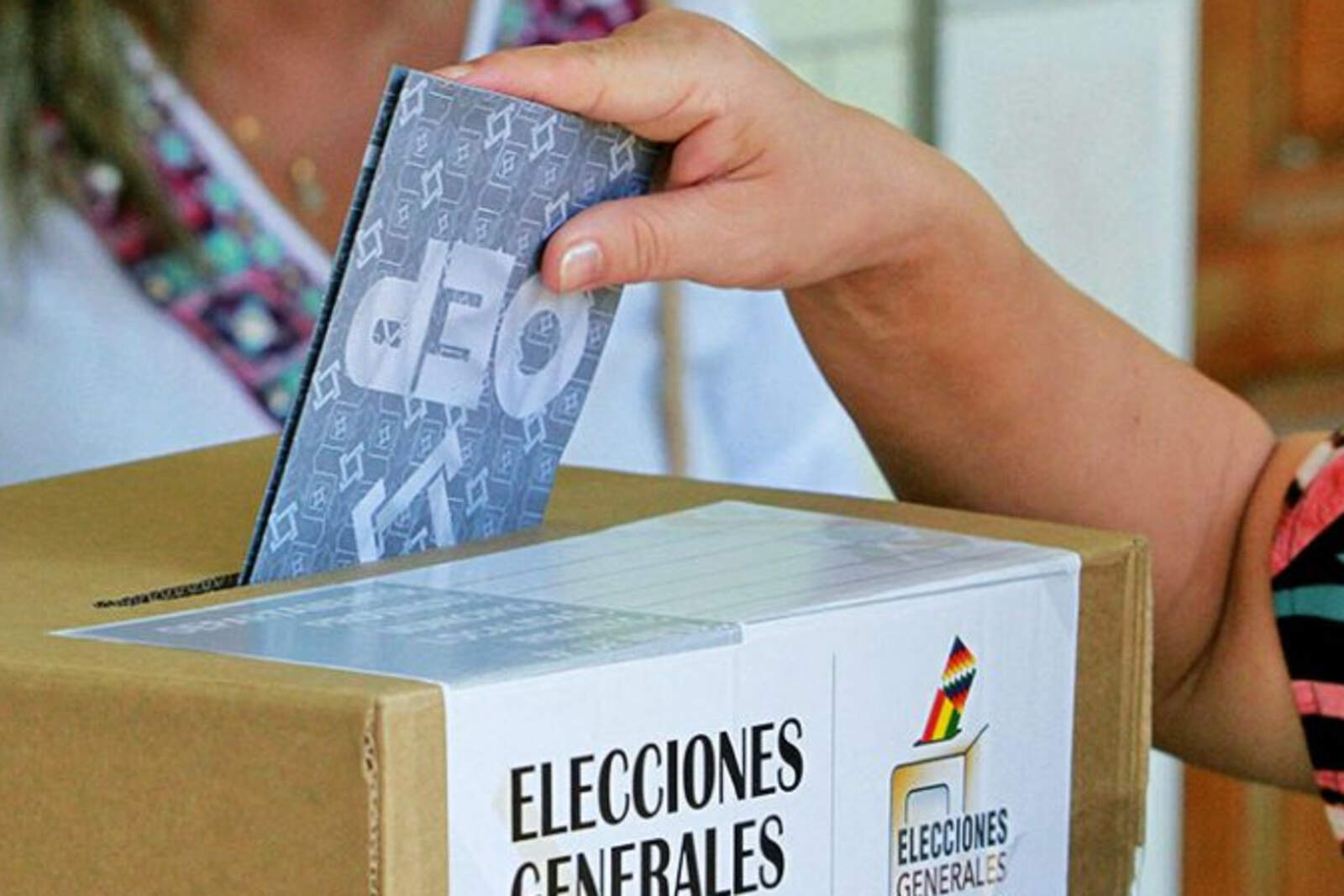

The lack of credibility in the electoral roll has sown doubts among the population about the results of elections held in the country. The Supreme Electoral Tribunal (TSE) has become an organization that responds to the interests of the government without guaranteeing clean elections. Allegations of fraud persist, and various sectors have demanded a real and independent audit.
The electoral fraud scandal of 2019 caused a political and social crisis. Since then, transparency in the elections has been questioned. The lack of concrete actions by the TSE reinforces the suspicion that the roll continues to be used as an instrument of political manipulation.
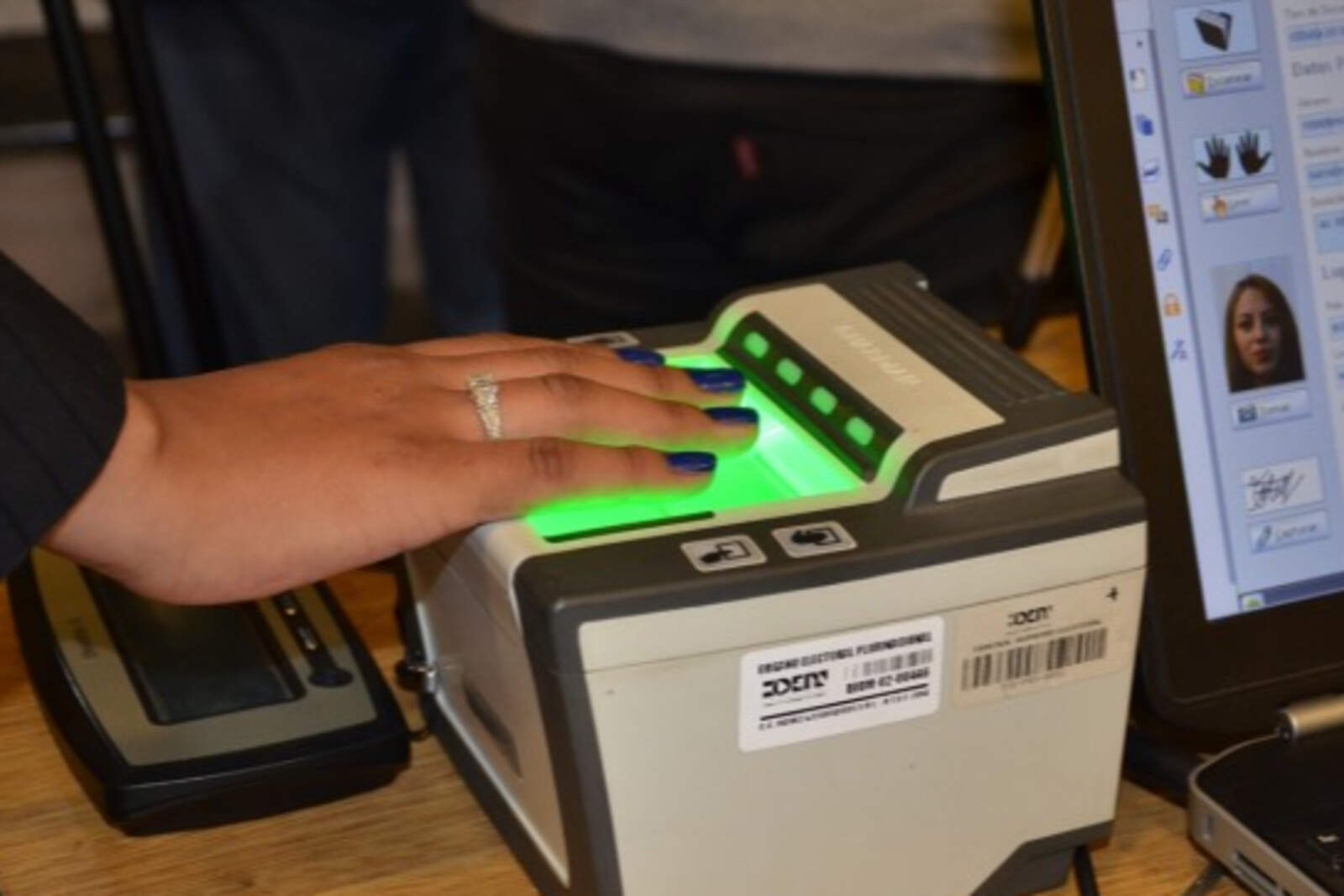
More than 200 social organizations have proposed to clean up the roll within three weeks. According to the proponents, the cleanup would not have costs for the State and would be based on biometric validation and the implementation of the identity card with a QR code. This method would prevent the registration of deceased persons and double voting.
The plan contemplates that the TSE sends the General Personal Identification Service (Segip) a complete list of voters organized by polling station. This information cross-check would allow identifying inconsistencies and purging dubious records. Despite the technical feasibility, the TSE has shown no interest in implementing it.
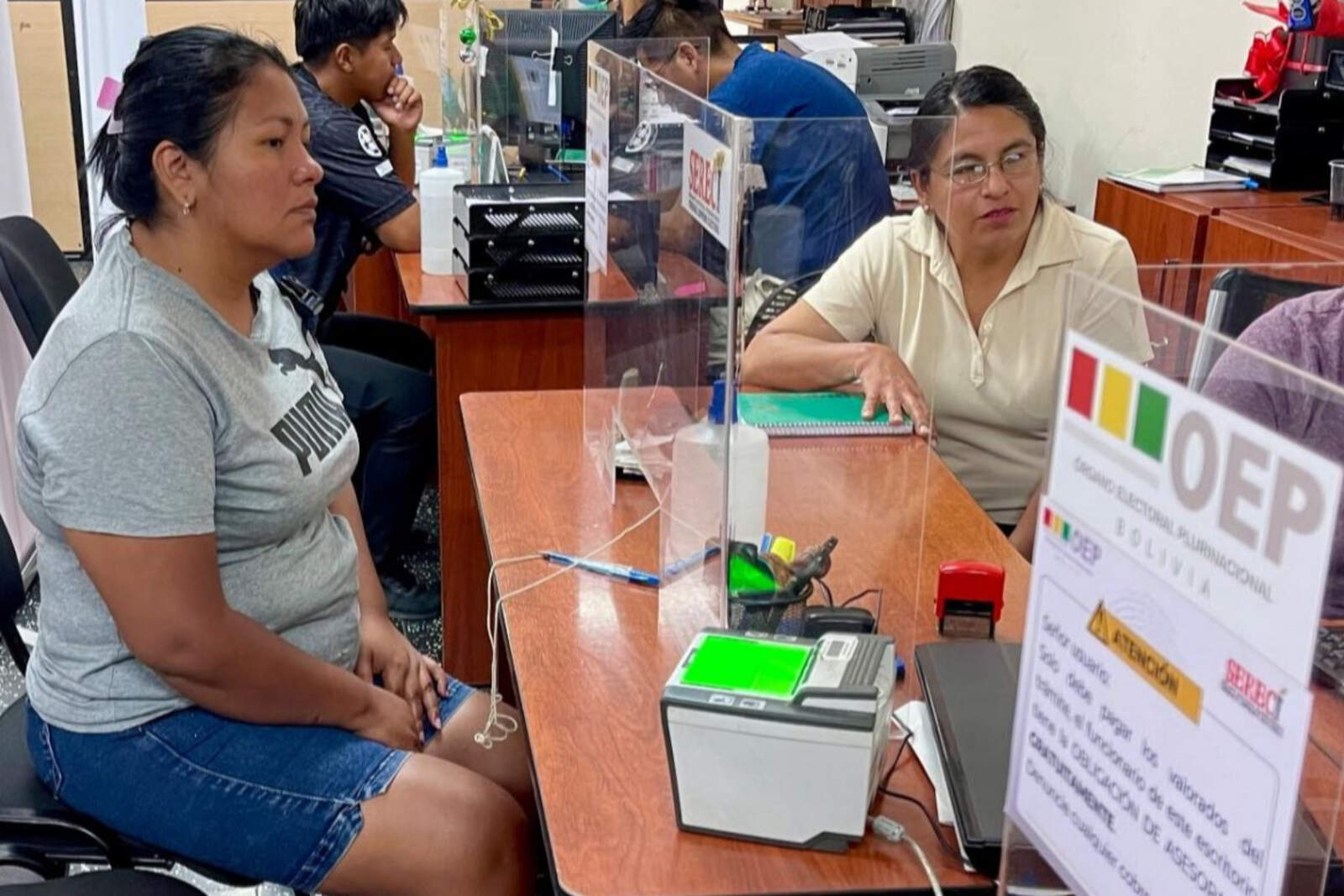
The use of the QR would allow electoral juries to verify the identity of each citizen on the spot. However, this application was deactivated a year ago without clear explanations. The lack of political will to reactivate it reinforces suspicions that the government seeks to maintain control of the electoral process without allowing transparency mechanisms.
Besides the TSE, the proposal has been sent to the Executive Committee of the Bolivian University and the Bolivian Episcopal Conference. This week, the promoters plan to present it to other instances. However, the ruling party and its allies in the TSE have shown little interest in considering measures that affect their hegemony in the electoral apparatus.
Joshua Bellot Sáenz, coordinator of the proposal, explained that the TSE should make QR verification mandatory at each polling station. This way, it would prevent identity theft and manipulation of results. However, to date, there are no concrete responses from the electoral institution.
The cleanup of the roll was discussed at the recent Multiparty Meeting for Democracy. At this event, the TSE committed to conducting a technical verification of the register but without clear deadlines or guarantees of independence. Universities, political parties, and civic organizations question the lack of concrete actions and denounce that the electoral body continues to act in the interests of the government.