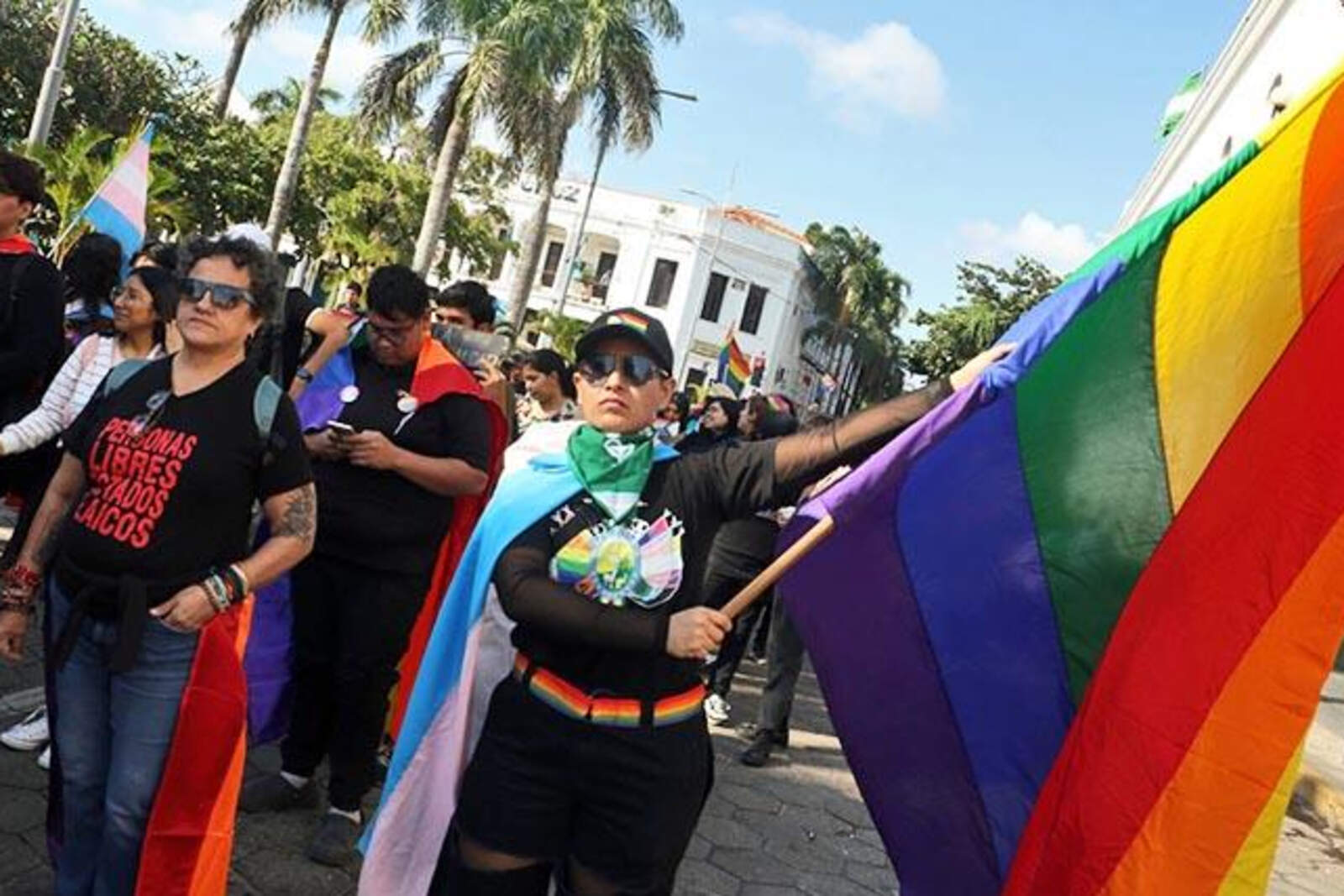

LGBT activists indicated that they will file legal actions against a group of activists from Santa Cruz. The announcement was made in front of the Museum of Contemporary Art. Spokespersons for the collective stated that the Ombudsman's Office has already filed a formal complaint.
They also stated that the process will seek criminal responsibility for alleged "hate speech". The warning heightened tension in downtown Santa Cruz.
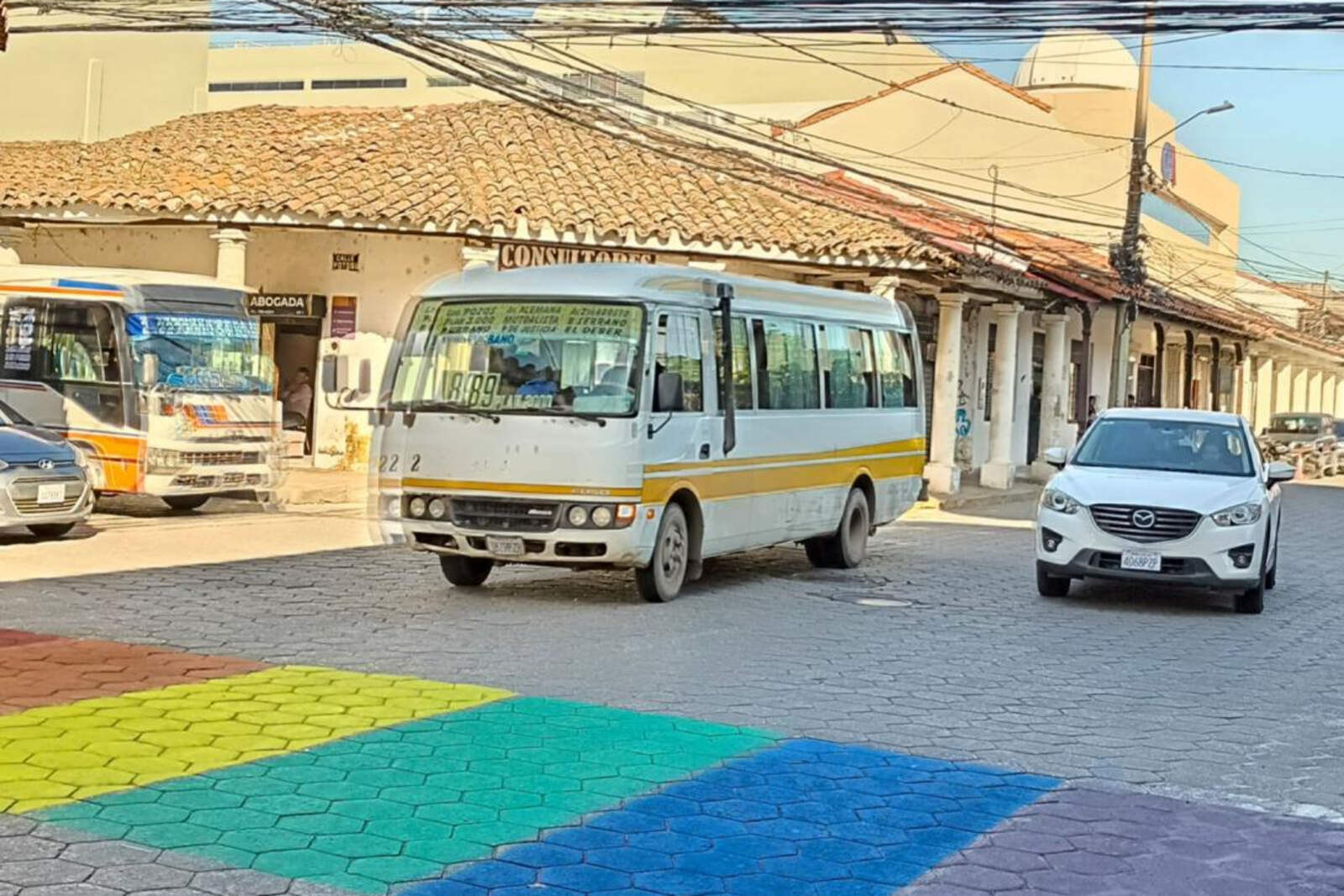
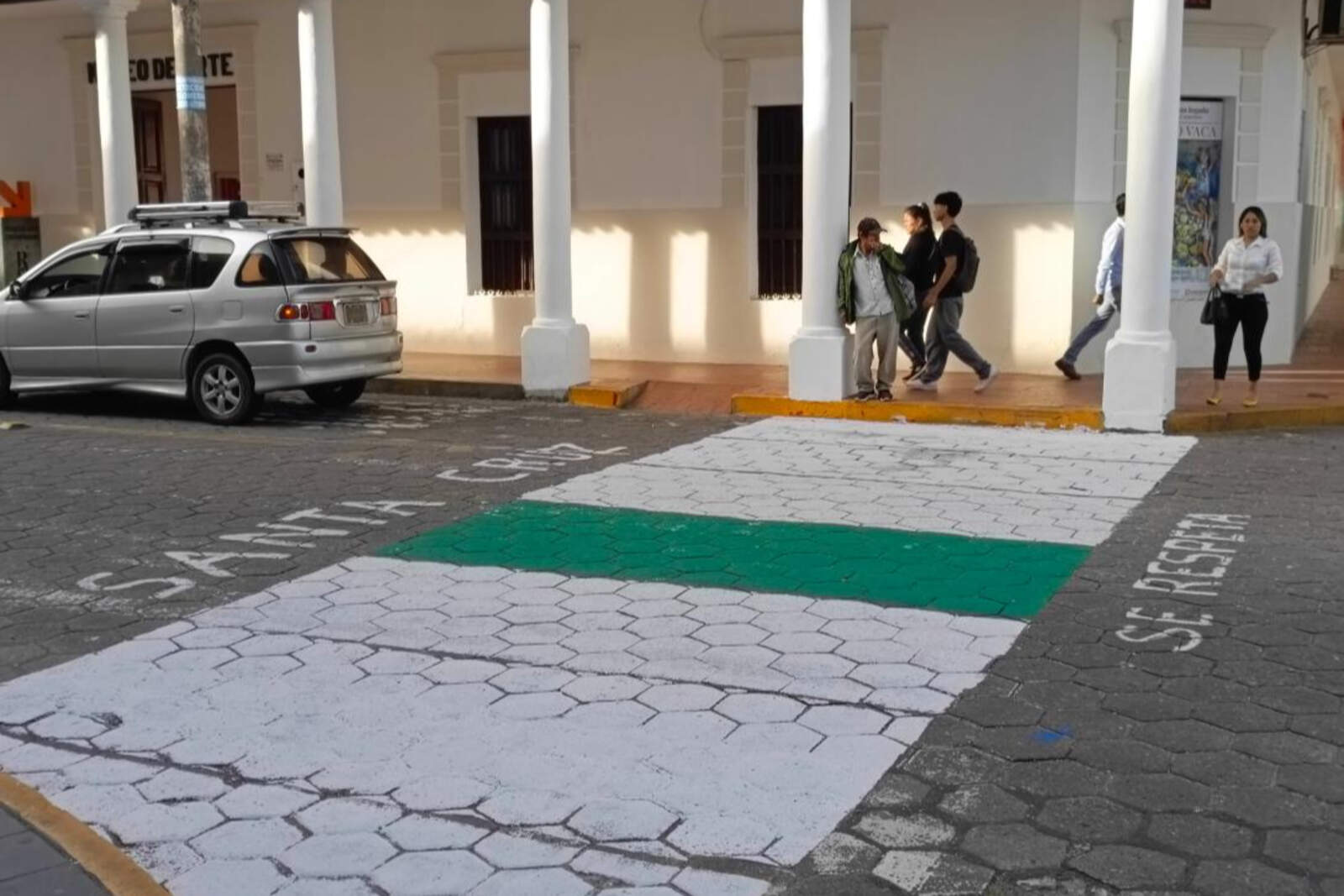
The defendants are neighbors and volunteers who repainted a crosswalk white after it was vandalized with rainbow colors. They claim that they were only defending heritage spaces.
They deny having uttered homophobic insults. They argue that the original intervention did not have any municipal permit. They state that the legal response is disproportionate and only seeks to intimidate the population that tries to exercise its freedom of expression.
Christian Égüez, one of the organizers of the "Pride Revolution" exhibition, declared that he will take the case "to the last instance". He said that his collective doesn't need authorization to intervene in public space.
He questioned the "lack of openness" of some sectors in Santa Cruz, whom he did not hesitate to label as "archaic and decadent". He stated that his actions should be considered urban art and a legitimate form of protest. He reiterated that they will continue with their acts of vandalism in the city.
The population of Santa Cruz rejected LGBT vandalism
The rainbow crosswalk lasted only one night. Within a few hours, it appeared covered in white paint with the phrase "Santa Cruz is to be respected".
The activists who restored the crosswalk indicated that this type of LGBT vandalism only demonstrates the lack of tolerance of these groups. Although they demand equality, they refuse to accept that citizens defend the integrity of their streets and institutions.
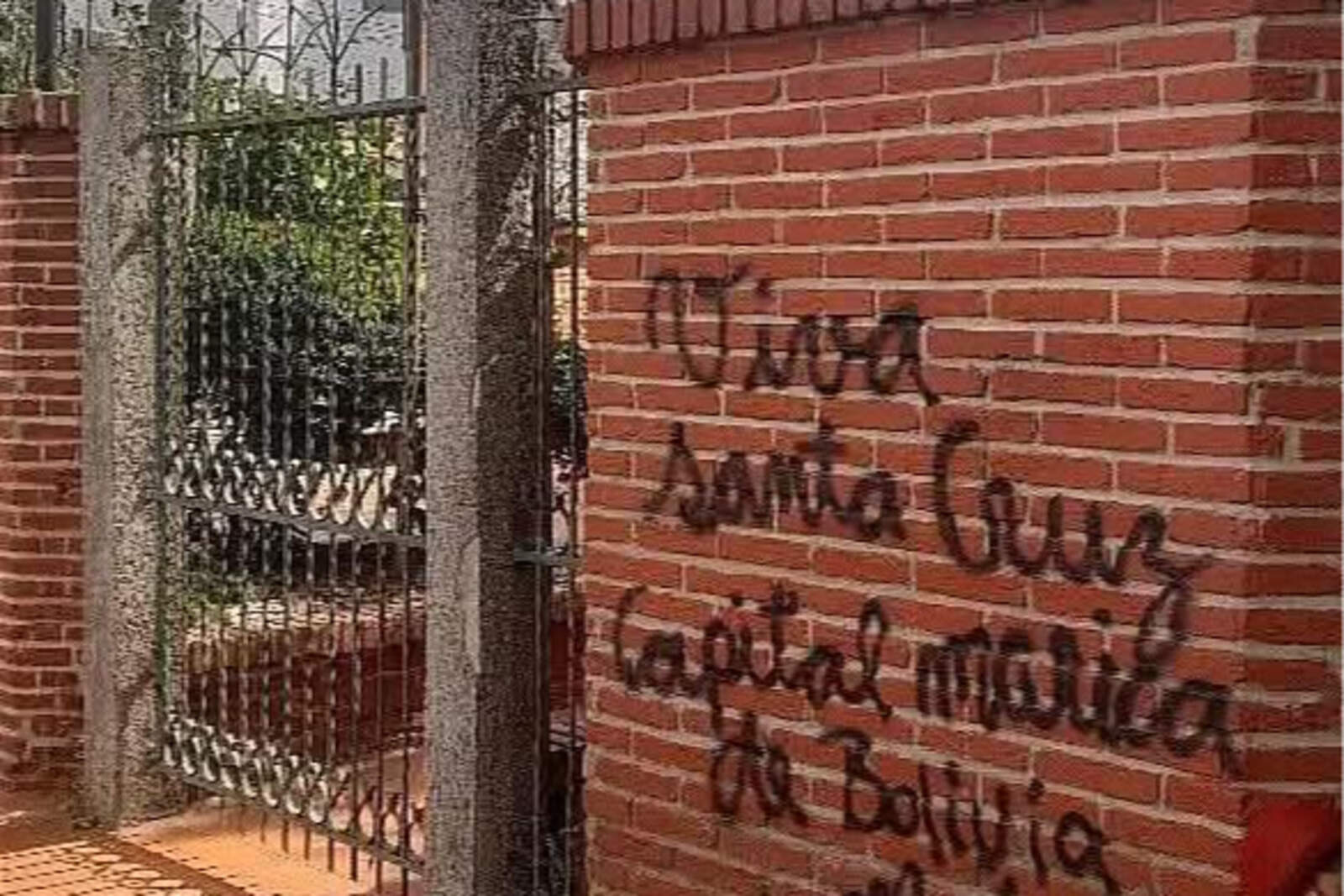
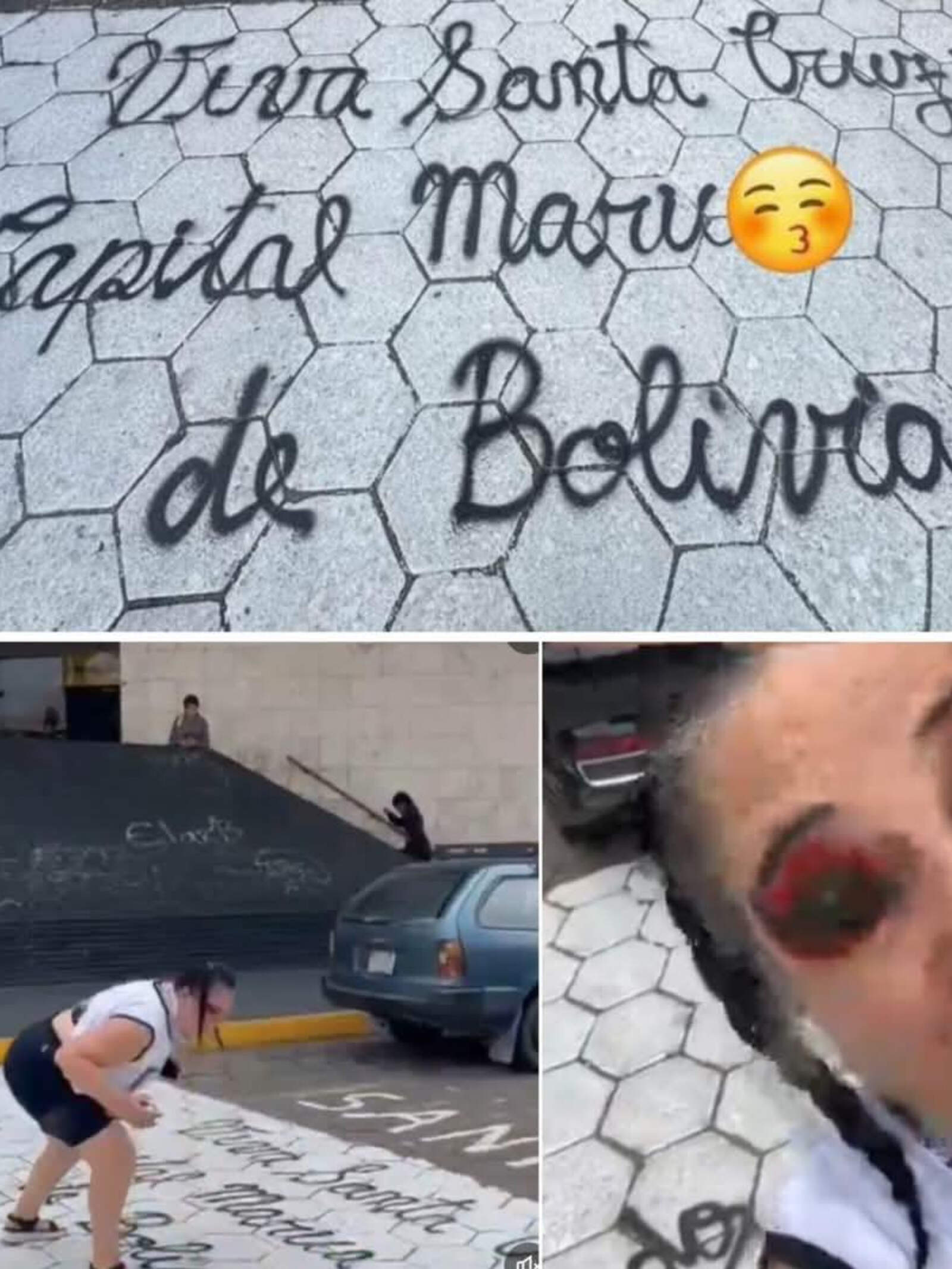
At dawn on Friday, the façade of the Civic Committee for Santa Cruz displayed offensive graffiti. One of the texts read "Long live Santa Cruz, gay capital of Bolivia".
The images quickly circulated on social media. Users denounced vandalism against a regional symbol. The collective Mujeres Creando claimed responsibility for the action.
The public expressed outrage over the graffiti. Civic spokespersons described the incident as "provocation." They demanded swift investigations.
They requested greater municipal control over the historic center. They insisted that diversity should not justify damage.
Égüez replied to those criticisms and called his detractors "archaic." He maintained that Santa Cruz should resemble cities in Brazil and Argentina where, according to him, LGBT street art is normal.