Prosecutor Diana Salazar uncovers a corruption network, thus revealing the consequences of Rafael Correa's government.
Compartir:
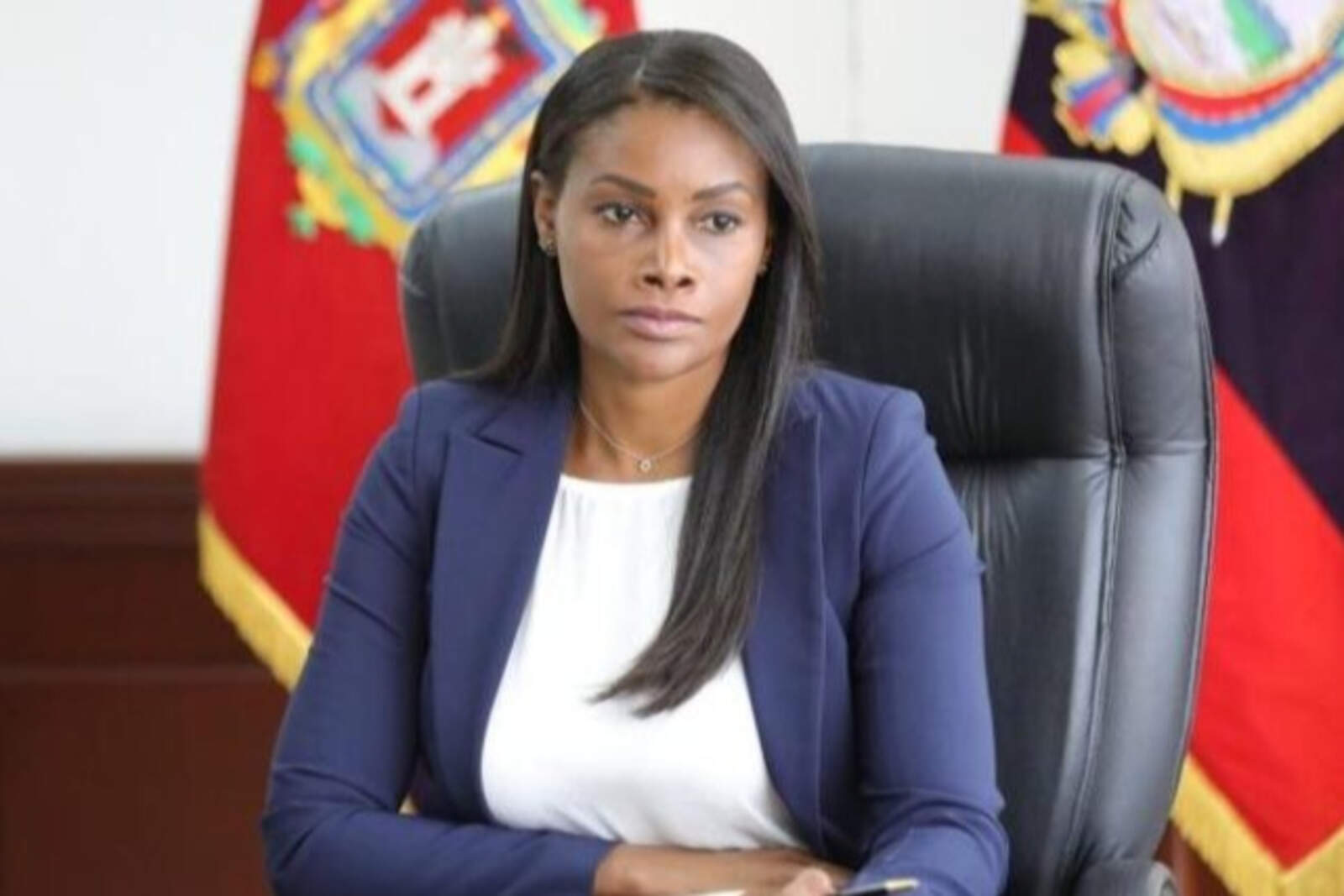
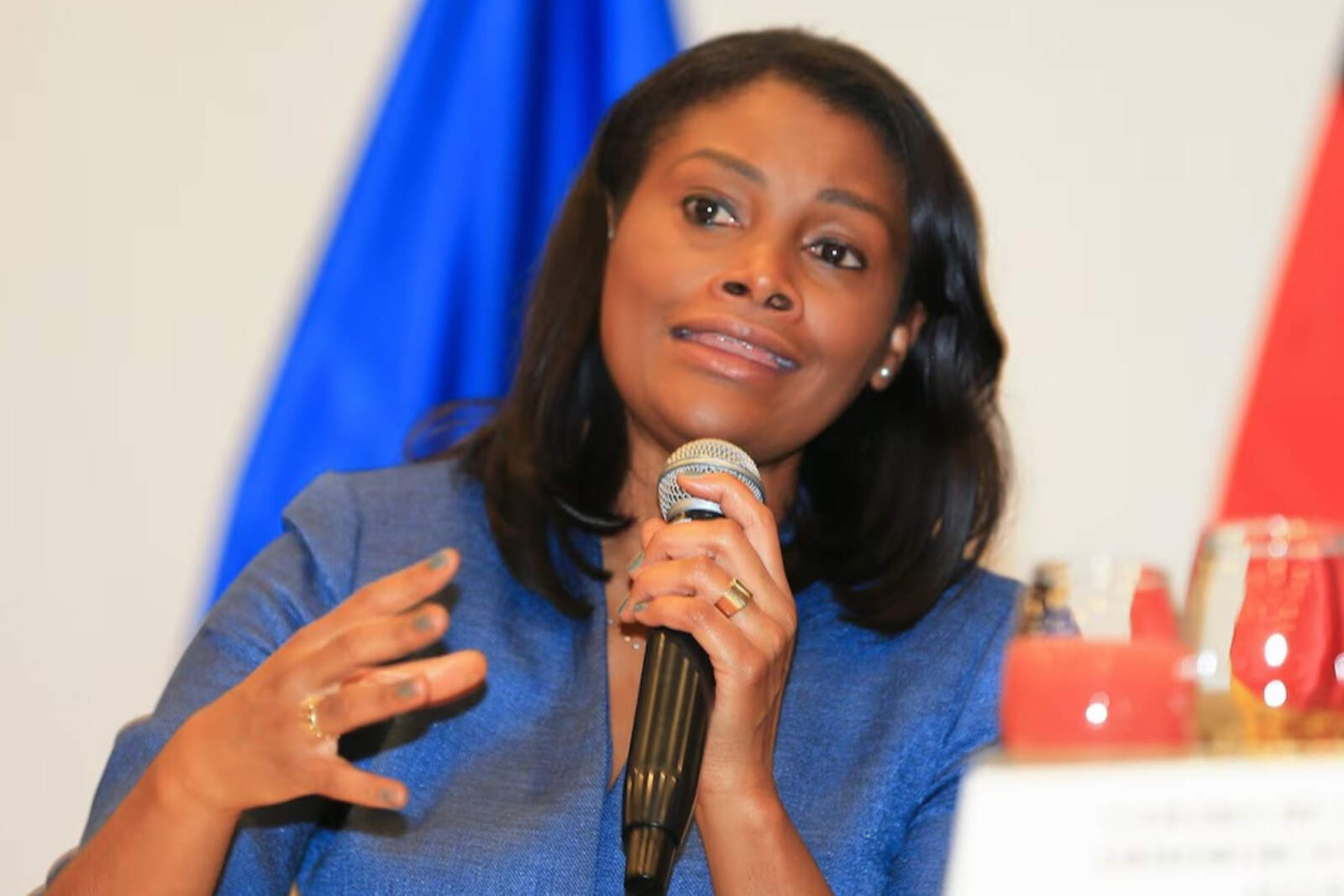
Ecuador's Attorney General, Diana Salazar, leads a series of investigations that have shaken the country's political landscape. These inquiries have uncovered alleged links between politicians, judges, and transnational criminal groups during Rafael Correa's government, highlighting the long-term consequences of the so-called "21st-century socialism."
According to the investigations, thousands of encrypted messages revealed that drug traffickers allegedly paid the police to alter evidence and judges to release criminals. These findings suggest a deep systemic corruption that may have taken root during the Correa decade, undermining the country's democratic institutions.
The most emblematic case involves former Vice President Jorge Glas, imprisoned for corruption. The messages indicate that $250,000 may have been paid to a judge to release him, with the expectation of future favors if Glas were to become president. This revelation highlights how political power may have been used for personal gain to the detriment of the rule of law.
Diana Salazar
Since December 2023, Attorney General Salazar and her team have filed charges against 76 people, including former legislators, judges, and high-ranking officials. Of these, 44 have already been sentenced to prison, evidencing the magnitude of the problem inherited by the post-Correa government.
The problematic legacy of Correa's era
Former President Correa, who governs from exile in Belgium, has been accused of obstructing the investigations. He has posted warnings about raids on social media and labeled Salazar a "puppet" of businessmen, alleging political persecution. These actions reflect a confrontational and denial attitude toward the corruption accusations.
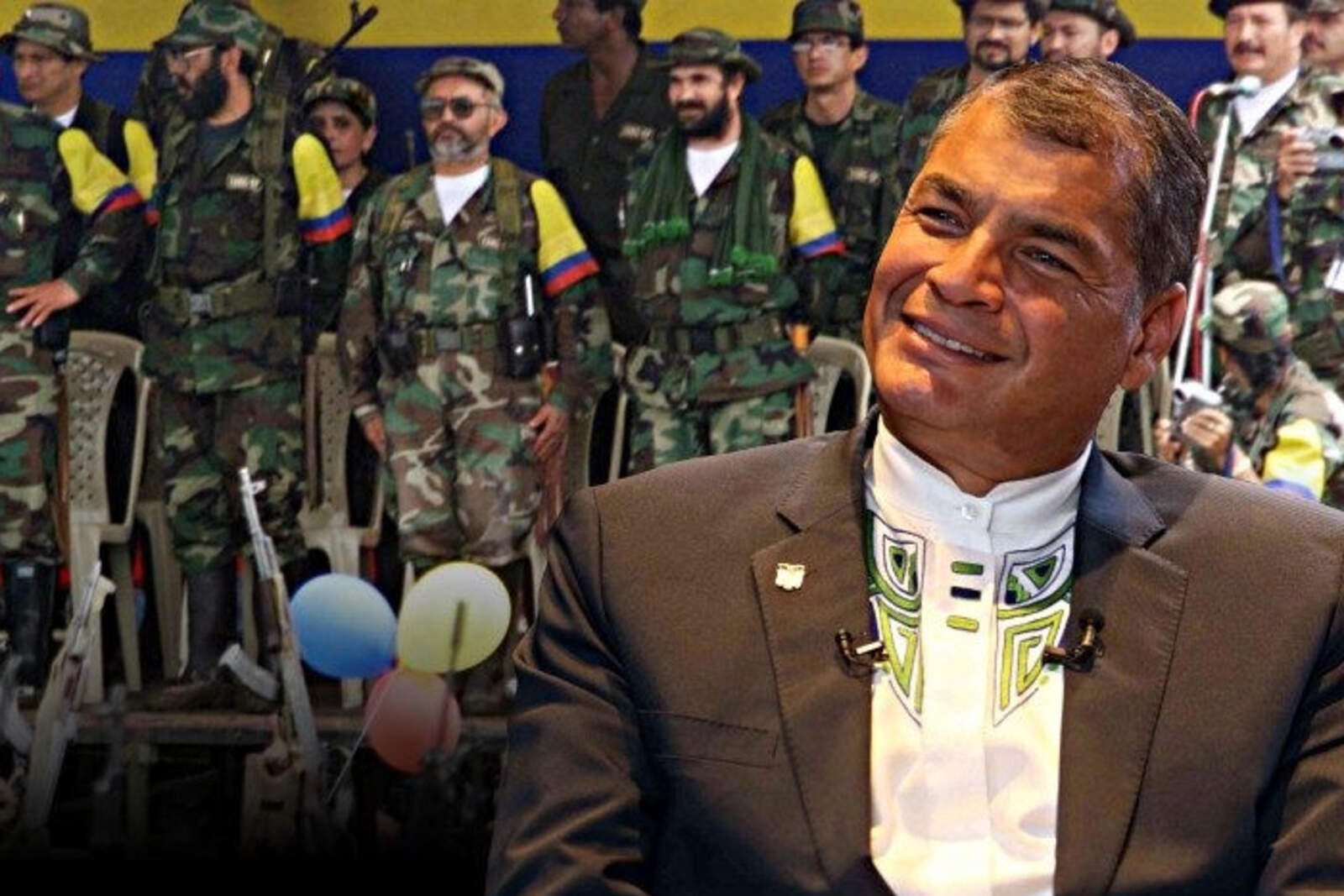
During his tenure, Correa implemented policies that, according to critics, weakened the fight against drug trafficking. He closed a U.S. military base that monitored drug shipments and has been accused of receiving funds from the FARC for his first presidential campaign, although he denies it.
Correa's government was also criticized for its authoritarian approach toward the opposition and the media. He attempted to limit and control leftist organizations and social movements, establishing parallel structures aligned with Correa's ideology.
This included the creation of pro-government unions and indigenous organizations, which lacked real power over public policies.
El expresidente Correa
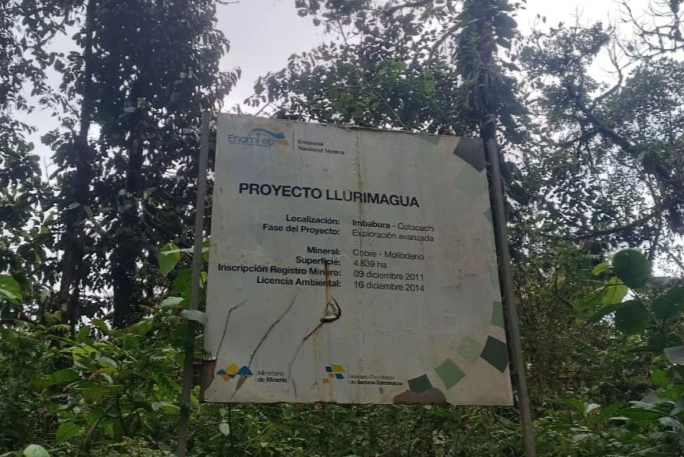
The repression against social movements was particularly harsh. Between 300 and 400 annual trials were initiated against anti-mining activists since 2009, with about a hundred cases using anti-terrorism and sabotage laws. This level of judicial persecution was unprecedented in Ecuador's recent history.
The economic model implemented by Correa, inspired by CEPAL's policies from the 50s-70s, resulted in trade imbalances and increased public debt. Despite the rhetoric of industrialization, the country maintained its dependence on primary exports, leaving the political project vulnerable to international market fluctuations.
Ongoing investigations reveal the deep scars left by Correa's era on Ecuador's institutional and social fabric. The fight against corruption and organized crime emerges as a crucial challenge for the country's future, while debates continue on how to overcome the legacy of a political model that, under the banner of "21st-century socialism," seems to have compromised the integrity of the State for the benefit of particular interests.