The Federal Open Market Committee (FOMC) of the Federal Reserve decided this Tuesday to keep the benchmark interest rate unchanged for the fifth consecutive meeting, placing it in a range of between 3.5% and 3.75%, in a decision that reflects the central bank's caution in the face of inflation that continues to exceed its target, although with mixed signals regarding the evolution of the U.S. economy.
The measure was approved by nine committee members, while three officials, Beth Hammack, president of the Federal Reserve Bank of Cleveland; Neel Kashkari, of Minneapolis; and Lorie Logan, of Dallas, voted in favor of raising the rate by 25 basis points, considering that inflationary pressures still justify further tightening of monetary policy.
In the statement released after the meeting, the Federal Reserve highlighted that economic activity continues to expand at a solid pace, despite the uncertainty generated in part by the conflict in the Middle East. It also noted that productivity and business investment growth remains strong, while the labor market continues to show stability, with an unemployment rate that has barely registered variations in recent months.
However, the monetary authority acknowledged that inflation remains above its 2% target, mainly as a result of supply disruptions that have driven prices up in certain sectors, especially energy.
''The Committee will ensure price stability,'' the Fed stated in a communication of less than 200 words, maintaining the brief format used in its recent meetings.
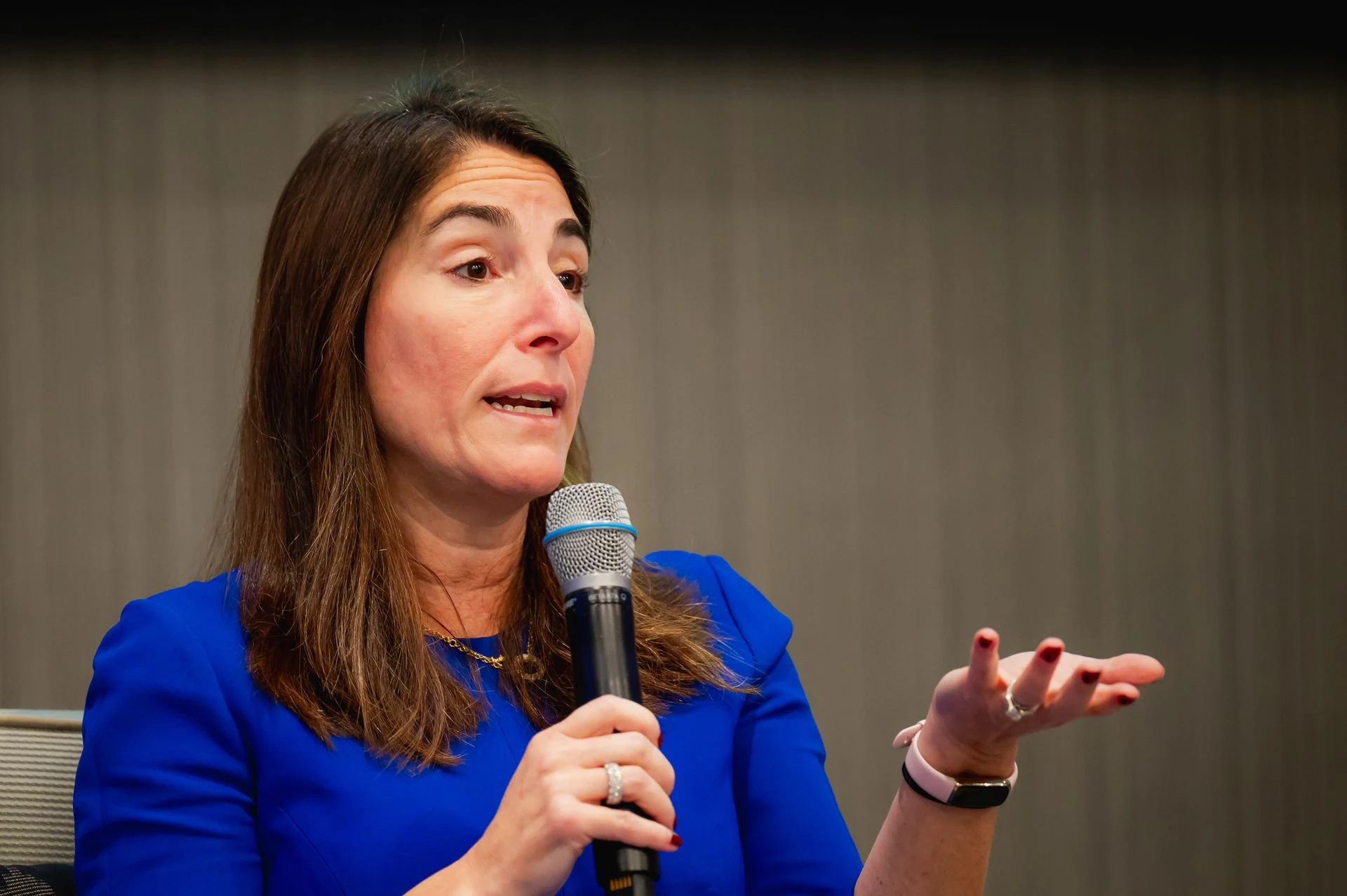
Beth Hammack, the president of the Federal Reserve Bank of Cleveland, was one of the three governors who voted to raise the interest rate
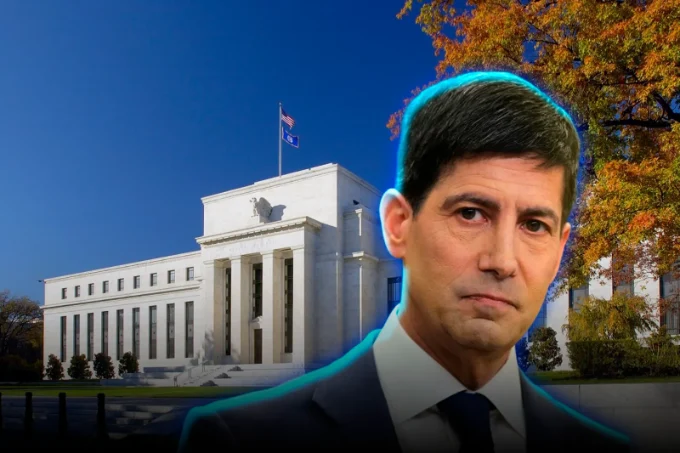
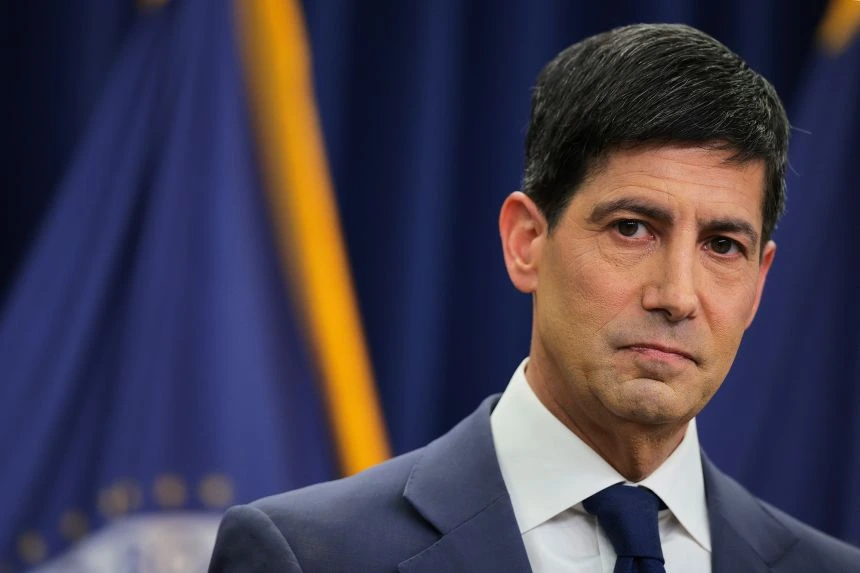
During the press conference following the announcement, Federal Reserve Chairman Kevin Warsh assured that the decision to keep rates should not be interpreted as a definitive pause in the monetary policy cycle, but rather as a period of assessment of the available economic information.
Warsh explained that the central bank will continue to carefully monitor market reactions and the evolution of indicators before making new decisions, although he made it clear that the institution is prepared to act if conditions require it.
''The decisions of this committee are very important and, when necessary and appropriate, we will not hesitate to act,'' he stated.
The president of the Federal Reserve assured that the recent decision by the FED should not be seen as a definitive pause in interest rate changes
The official also emphasized that inflation has remained above the target for more than five years and warned that a single favorable report will not be enough to declare the problem resolved.
The figures for June showed a greater moderation than expected thanks to the temporary stabilization of international energy prices. However, the recent rise in oil and natural gas has raised concerns among analysts and authorities, who believe that the data for July and even August could reflect a new increase in inflationary pressures.
Still, the traditional strategy of the Federal Reserve is to not react immediately to temporary increases in oil prices, focusing its analysis on so-called core inflation, which excludes the most volatile components such as food and energy.
Currently, while overall inflation remains above 3%, core inflation is around 2.6%, a level considerably closer to the target set by the monetary authority.
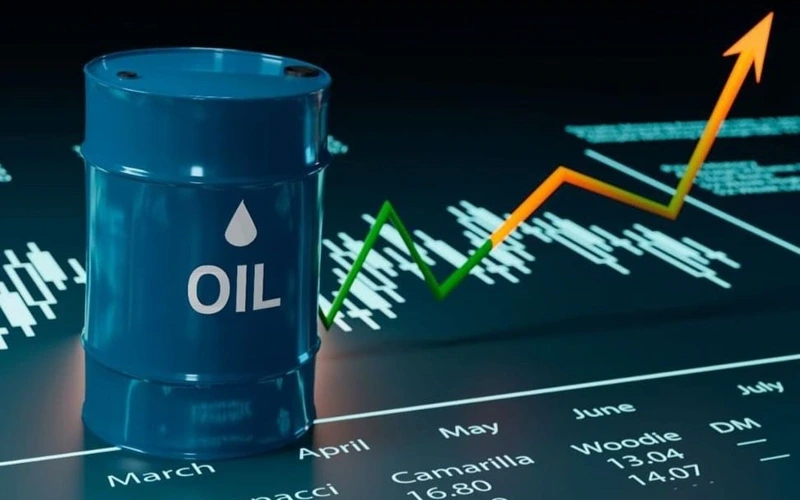
International oil prices have stabilized in recent weeks, but the reactivation of conflict hotspots in the Middle East has led to an increase in global energy prices
Financial markets interpreted the decision as a sign of prudence, but not as the end of the monetary adjustment process. According to the ''FedWatch'' tool, most traders consider a 25 basis point increase likely during the scheduled meeting in September.
Expectations are also reflected in the Treasury bond market. The yield on two-year securities, considered one of the main indicators of monetary policy forecasts, exceeds 4.3%, suggesting that investors are pricing in at least two additional rate hikes in the coming months.
In addition to decisions on interest rates, another development is the progress of the five working groups created by Warsh to review various aspects of the Federal Reserve's operations, including communication strategy, inflation control, and the management of the central bank's balance sheet.
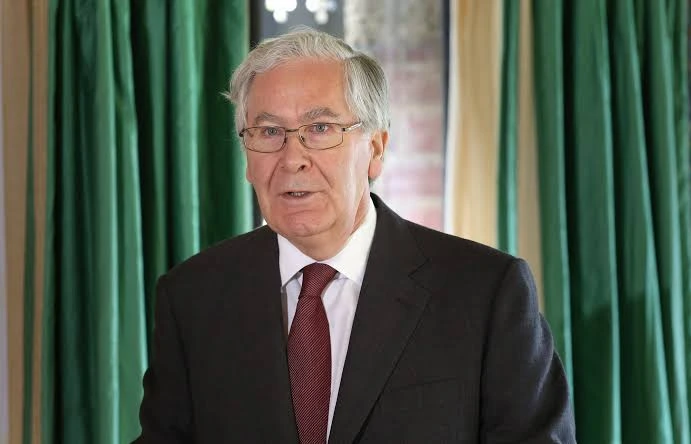
The working groups are composed of recognized figures from the economic and business fields, such as former Bank of England governor Mervyn King, former Walmart CEO Doug McMillon, economist Greg Mankiw, and investor Marc Andreessen. Their final reports will be published in December and could influence the future direction of the U.S. central bank.
The former president of the Federal Reserve Bank of New England will be part of a group