The Minneapolis City Council debates the reinstallation of sexual spaces for LGBT Somalis.
Nuevo
Agregar La Derecha Diario en
Compartir:
The Minneapolis City Council is considering a proposal to reverse a ban in place since 1988 that prevents the operation of “LGBT saunas”, establishments where adults can have consenting sexual intercourse. The initiative seeks to update local regulations, replacing what Democratic officials consider to be “stigmatizing” language with more inclusive definitions that allow this type of space to be regulated under public health criteria
.
The original ordinance was approved in the context of the HIV/AIDS crisis, when local authorities banned premises that facilitate sexual behavior considered to be high-risk. Since then, this type of establishment has remained out of the law in the city. Now, the debate has re-emerged, driven by organizations such as the “Safer Sex Spaces Coalition”, which promotes the legalization and regulation of these
spaces.
According to their insane drivers, the reopening of these would make it possible to “improve strategies for the prevention of HIV” and other sexually transmitted diseases. They argue that these spaces could provide access to tests, health information and protective measures, in addition to reducing the practice of encounters in clandestine places without supervision. In this regard, they argue that the current prohibition has become obsolete in the face of advances in public health and sex education
. Minneapolis City Council discusses the implementation of gay saunas for LGBT Somalis
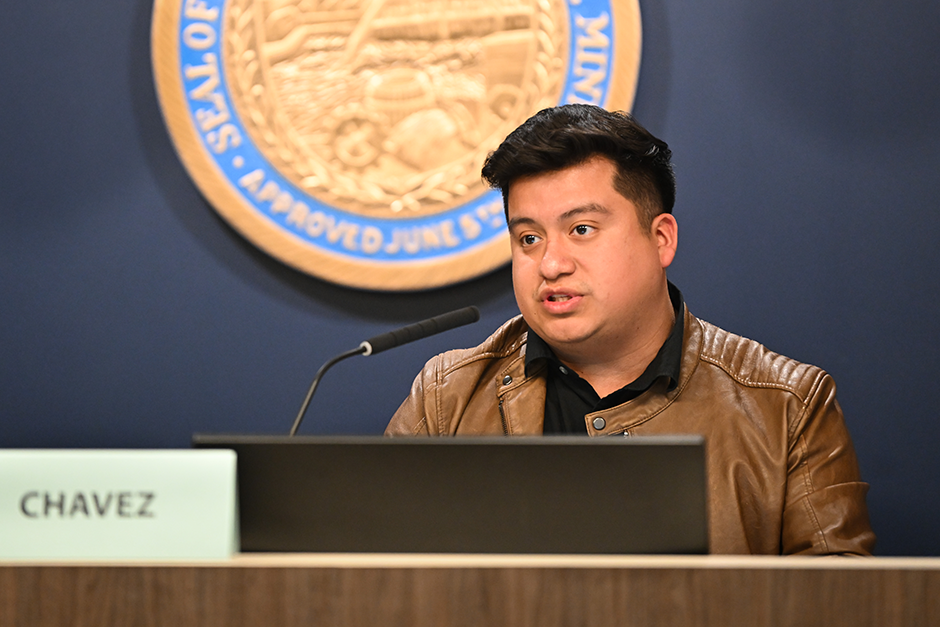
The proposal also has the support of some members of the City Council, including Councilman Jason Chavez, who noted that these types of restrictions have historically affected the LGBTQ+ community, contributing to its “stigmatization” and “criminalization”. According to its position, the reform seeks to recognize these spaces as areas of social and community encounter, in addition to regulating their functioning.
However, the initiative has generated fierce criticism from different sectors that question both its opportunity and its implications. Some consider that local authorities, mostly linked to the Democratic Party, are prioritizing symbolic or cultural changes instead of focusing on more pressing problems for the city, such as public safety or the economic situation
.
There are also doubts about the real effectiveness of the measure in terms of public health. Although advocates cite clandestine studies that support the existence of regulated spaces to promote safe sexual practices, critics warn that overseeing these premises could be complex and that their legalization could send contradictory signals regarding
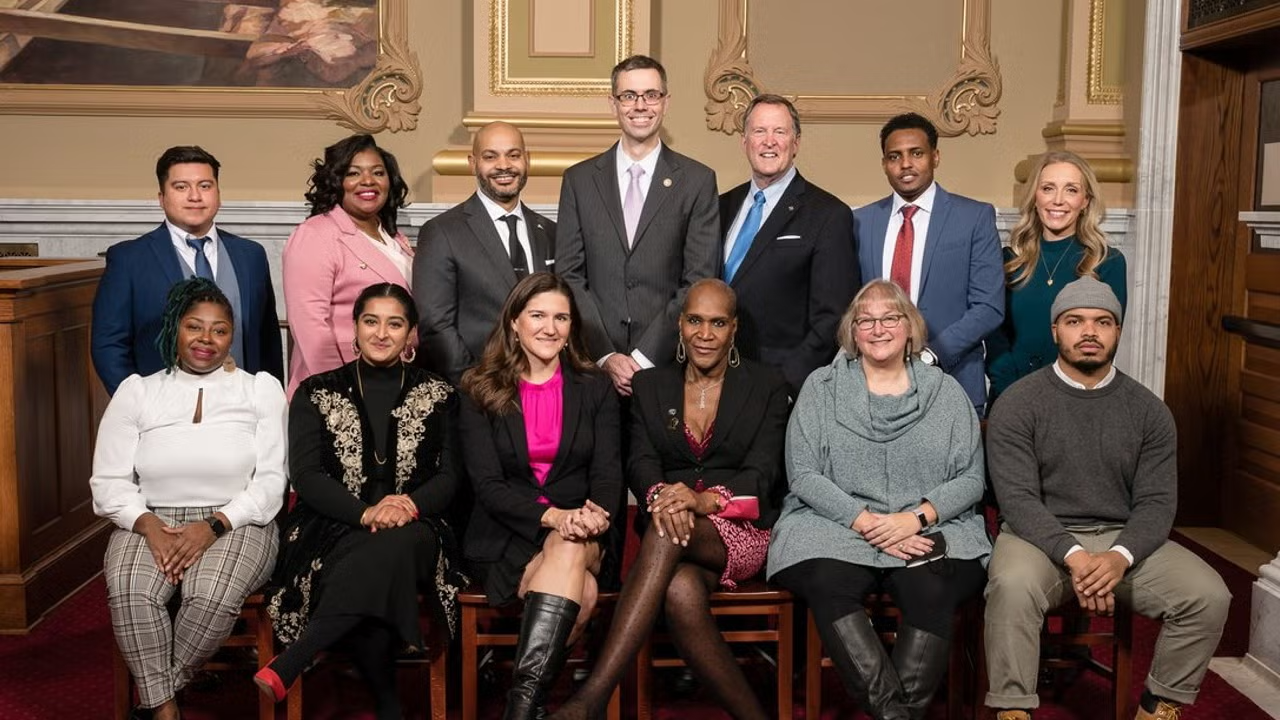
the prevention of risky behavior. Democratic members of the Minneapolis City Council mentioned that restrictions on LGBT saunas were “stigmatizing”
The historical background of these establishments is also part of the debate. Before the ban, saunas were relatively common in cities like Minneapolis. The last one, the “315 Health Club”, closed in 1988, in the midst of the health crisis
.
The reform project reflects a change in the approach to public policies, moving from a restrictive logic to one focused on harm reduction and regulation. However, the discussion shows divisions both in the political sphere and in public opinion as to what is the best way to address issues related to health, sexuality and urban coexistence
.
The City Council will continue to evaluate the proposal in the coming weeks, in a process that could redefine local regulations and reopen the debate on the role of the State in regulating this type of space.
Historically, sexual saunas were restricted for reasons related to public health.