The founder of CNN died at 87, leaving a historic legacy and strong criticism of the network's current direction.
Nuevo
Agregar La Derecha Diario en
Compartir:
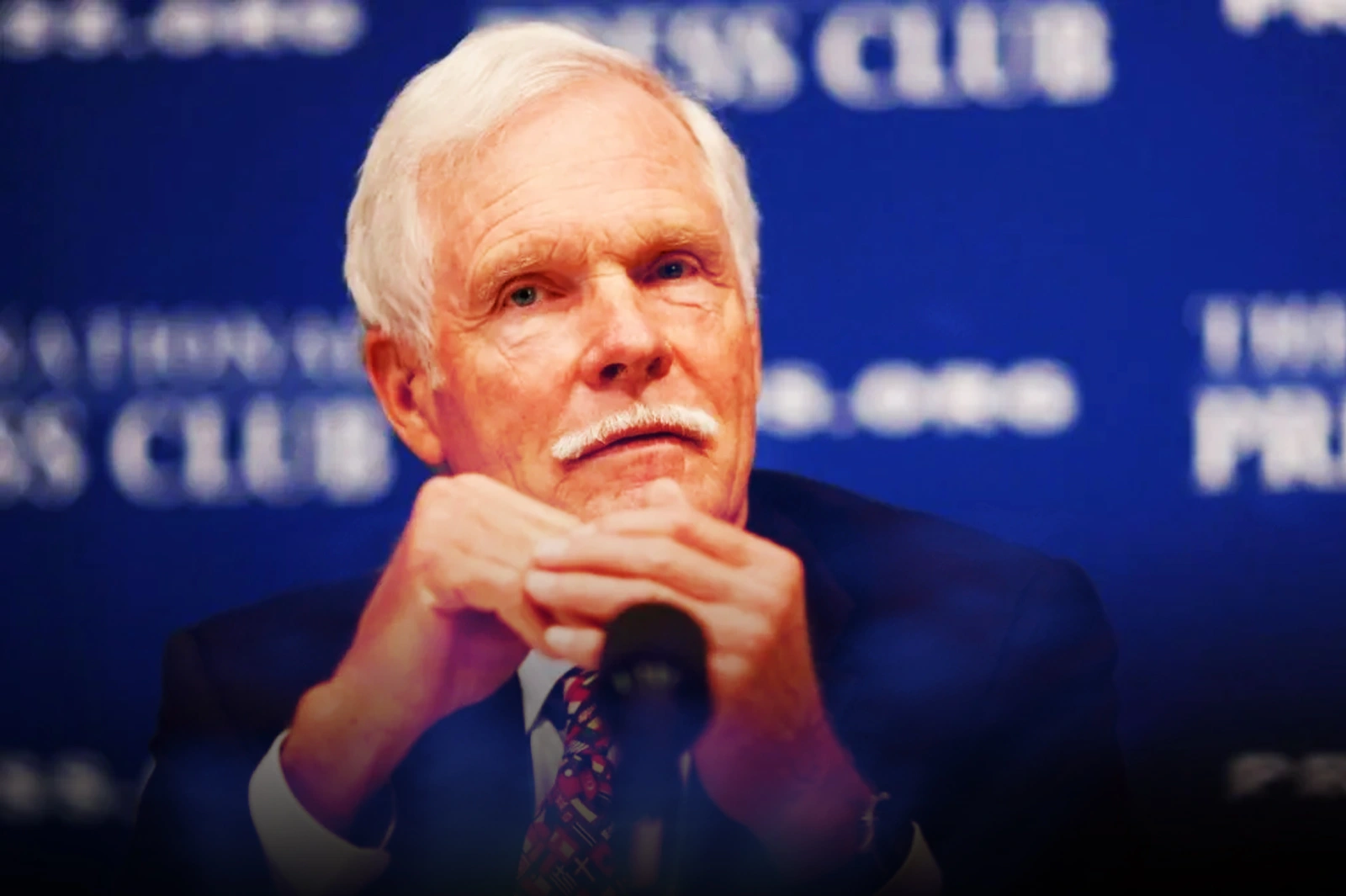
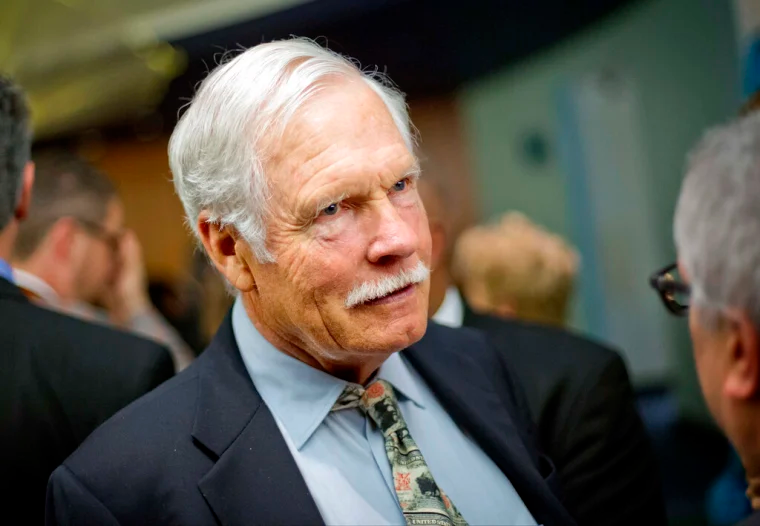
Businessman and media magnate Ted Turner died this Wednesday at the age of 87, as confirmed by “Turner Enterprises”, ending the life of one of the most influential figures in television and the American media industry.
Turner, creator of the first 24-hour cable news network, left a deep mark on global journalism, although the subsequent direction of his main creation, CNN, ended up becoming a source of controversy and political criticism.
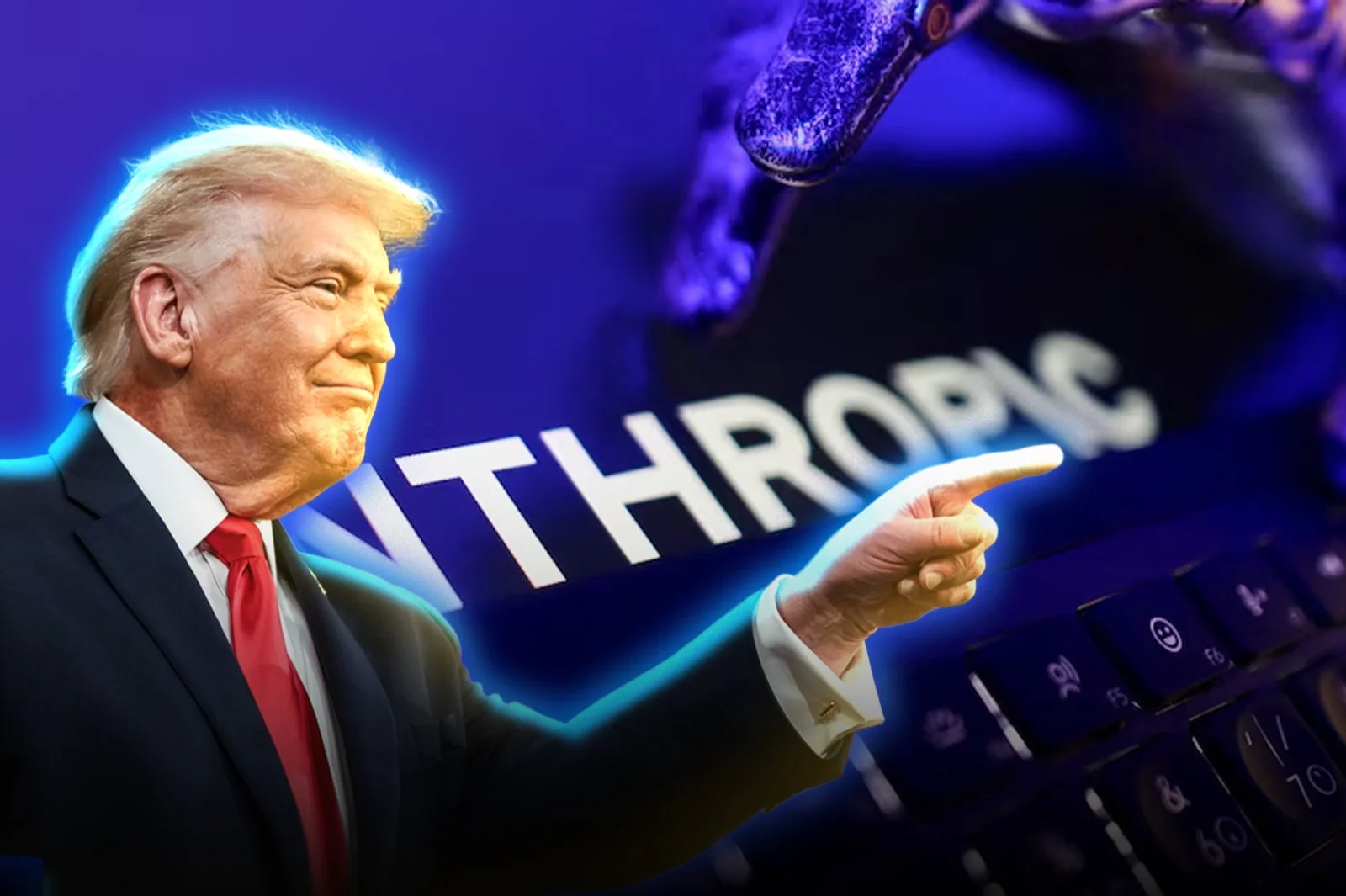
The news was confirmed hours later by President Donald Trump, who in a message published in Truth Social called Turner “one of the greatest of all time” and lamented the deterioration of CNN after the departure of its founder. Trump argued that Turner was “devastated” after selling the network and stated that the signal “became woke”, moving away from the
journalistic model he originally promoted. Donald Trump mourned the death of Ted Turner and assured that his departure from CNN brought a debacle to the television network
Who was Ted Turner
Born in Ohio, Turner revolutionized the television landscape in 1980 by launching CNN from Atlanta, challenging the traditional logic of news programs limited to specific schedules. At the time, many experts doubted that a signal dedicated solely to news could survive commercially. In fact, some critics ridiculed the project as “Chicken Noodle News” because of its low resources and initial
technical errors.
However, the network managed to consolidate quickly thanks to historical coverage broadcast live. CNN gained international prestige during the 1991 Gulf War, when it was the only American outlet that broadcast live images from Baghdad while bombings illuminated the city's sky. The signal also stood out for its coverage of the fall of the Berlin Wall, the protests in Tiananmen Square and the explosion of the Challenger shuttle
.
Turner didn't just build CNN. His media empire included channels such as TNT, TBS, Cartoon Network and Turner Classic Movies, in addition to the ownership of the Atlanta Braves baseball team. He also developed an intense philanthropic and environmental activity, becoming one of the largest private owners of bison in the United States and founder of initiatives linked to the United Nations
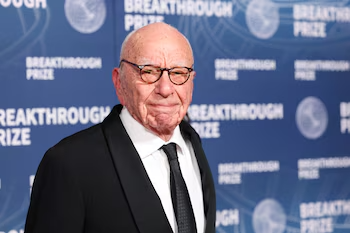
. Turner maintained a historic business rivalry with Rupert Murdoch, founder of the conservative network Fox News
CNN's financial problems and sales
Despite his business success, Turner faced significant financial problems in the 1990s due to increasing competition in the cable market and an aggressive acquisition strategy. In 1996, he sold CNN and “Turner Broadcasting” to Time Warner for approximately $7.34 billion, a deal he later described as “the worst day of his
life.”
Over the years, Turner expressed frustration with CNN's editorial evolution. Conservative sectors in the United States have repeatedly accused the network of abandoning journalistic impartiality and adopting a progressive political line hostile to the Republican Party. For many critics, CNN's transformation symbolizes a growing politicization of major American media and a loss of credibility with part of the public.
In recent years, Turner had revealed that he was suffering from dementia with Lewy bodies, a progressive neuro-degenerative disease that affects memory and movement. His death marks the close of a key stage in the history of the media, leaving behind a legacy that transformed the way we consume news, but it also opened debates on the political and editorial evolution of television journalism in the
United States. Turner faced severe financial crises during the 1990s and in recent years developed a rare type of dementia.