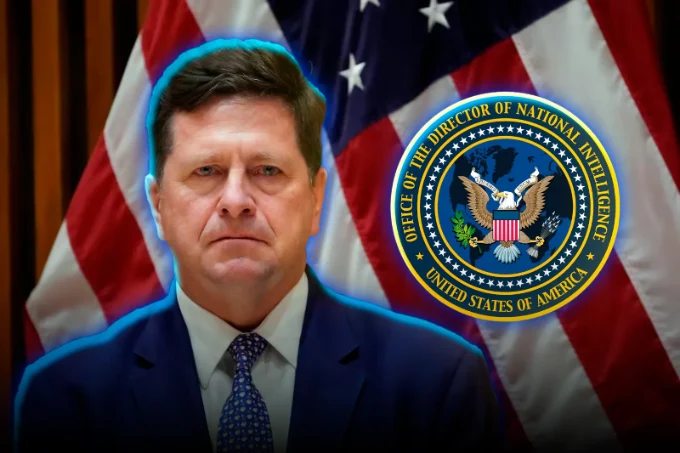
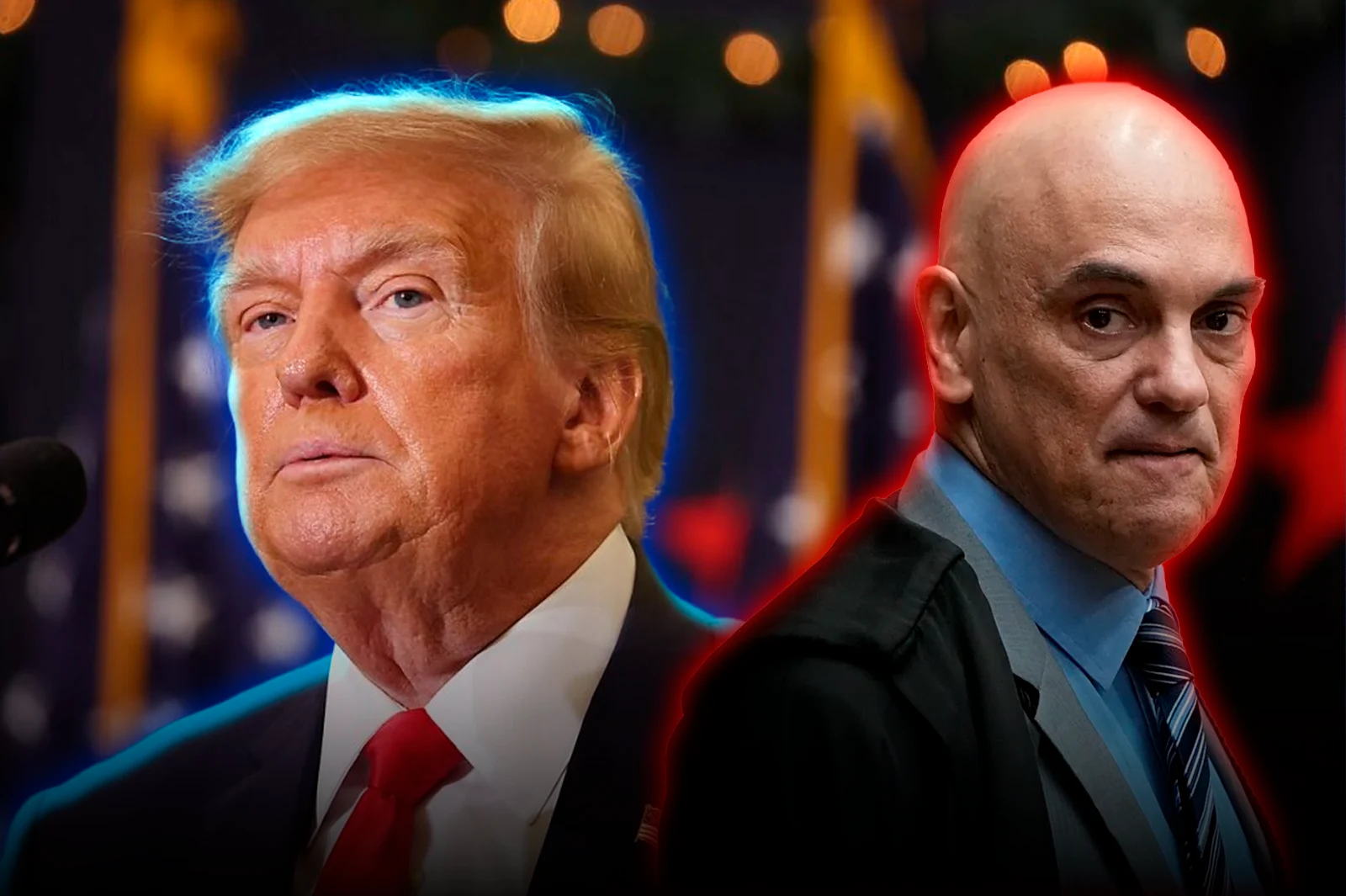
The United States Senate confirmed Jay Clayton today as the next Director of National Intelligence (DNI), in a vote that solidifies President Donald Trump's choice to lead one of the most important positions in the U.S. intelligence community. Clayton received 51 votes in favor and 47 against, in a decision marked by a strong partisan divide.
The confirmation came after the Senate Intelligence Committee approved his nomination on July 21 by a vote of 9 to 8, along party lines. A day before the final vote, the full Senate had backed by 51-43 to advance the confirmation process.
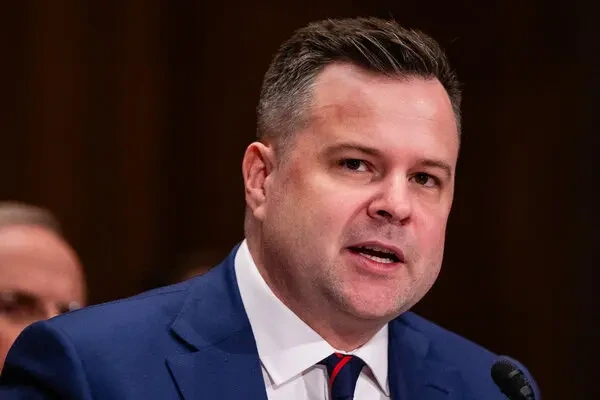
Clayton will replace the acting Director of National Intelligence, Bill Pulte, who had temporarily assumed the position and had received outrageous criticism from Democratic senators. Senate Minority Leader Chuck Schumer had labeled Pulte as "unqualified" and lacking experience in intelligence.
Pulte, who previously led the Federal Housing Finance Agency, was appointed by Trump on June 2 after former Director of National Intelligence Tulsi Gabbard announced her departure from the position. Gabbard explained that she would leave the role to support her husband, Abraham Williams, after he was diagnosed with cancer.
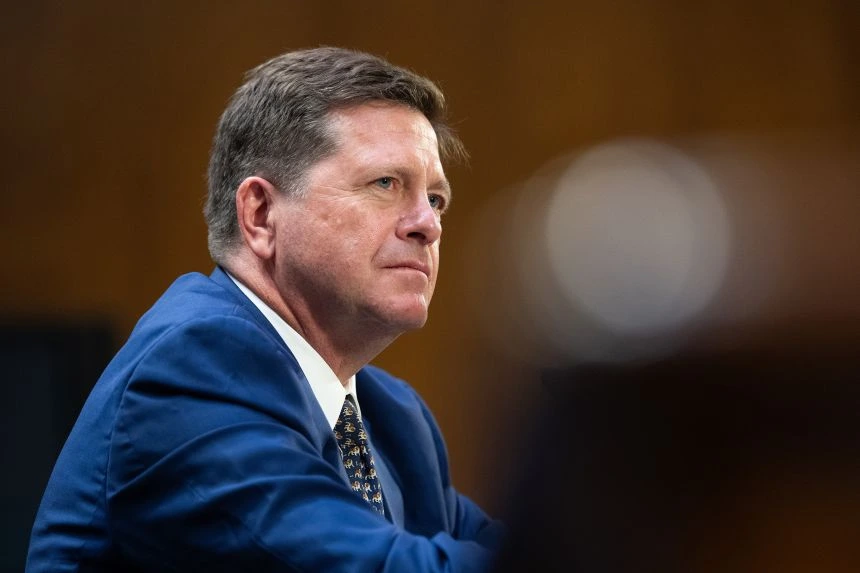
Jay Clayton is the new Director of National Intelligence of the United States after being confirmed by the Senate this Tuesday
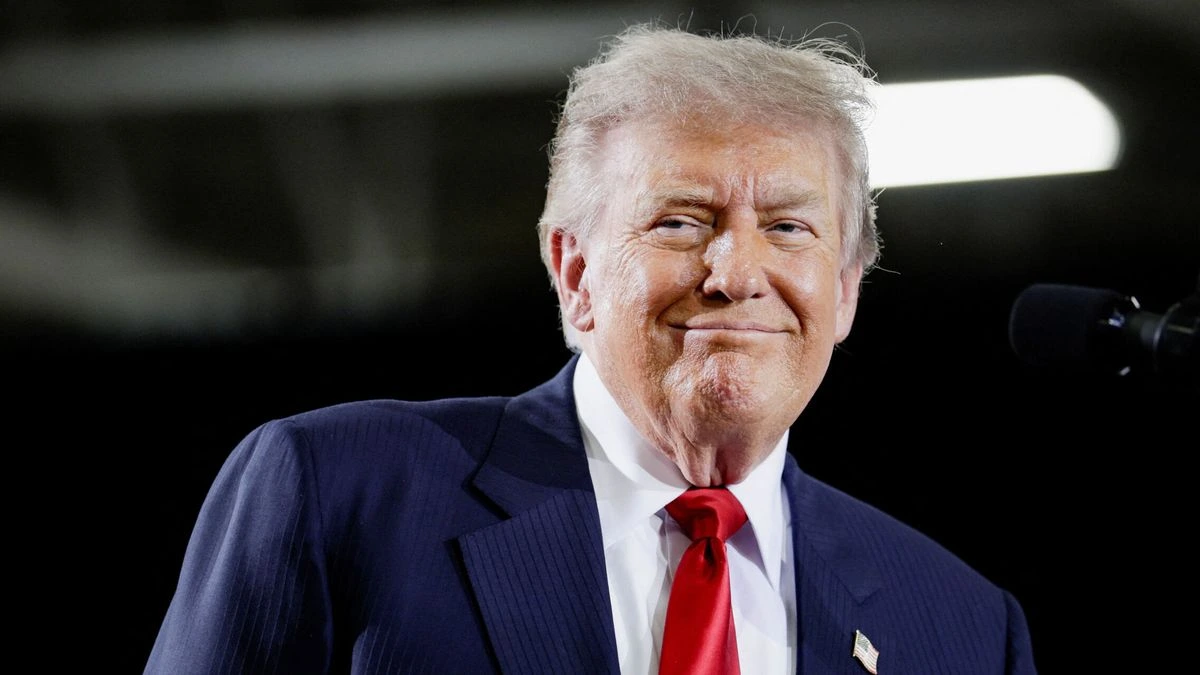
Trump announced Clayton's nomination on June 11 and highlighted his reputation within the legal field. The president presented him as a widely respected figure with the necessary experience to lead the intelligence community.
Clayton's arrival at the DNI also represents the return of an official who previously held a significant position during Trump's first term. Between May 2017 and December 2020, Clayton served as chairman of the Securities and Exchange Commission (SEC), where he oversaw the agency responsible for regulating U.S. financial markets. Before joining the government, he worked as a partner at the prestigious law firm "Sullivan & Cromwell."
Clayton's nomination was surrounded by political tensions. Initially, he was scheduled to appear before the Intelligence Committee on June 17, but Trump canceled the meeting after accusing Democrats of failing to uphold an agreement related to the extension of the Foreign Intelligence Surveillance Act (FISA) and Pulte's continued leadership of the intelligence community.
The hearing eventually took place on July 15. During his appearance, Clayton stated that one of his main priorities would be to restore trust in the intelligence community and improve communication and coordination among the various agencies. He also asserted that the fundamental goal of the DNI is to ensure that the president, military leaders, and Congress receive timely, objective, and independent intelligence information.
President Trump nominated Clayton, who previously held a position in the president's first term, during the early days of June
However, his statements did not convince some Democrats. Senator Ron Wyden accused Clayton of spreading theories related to the elections and of providing false testimony regarding the procedure used by his office to subpoena journalists from The New York Times.
The journalists had been subpoenaed in relation to an investigation into security concerns related to the new presidential aircraft Air Force One.
During his hearing, Clayton rejected the accusations of denying the legitimacy of the 2020 elections and claimed he was not an "election denier." He also stated that the United States needed to take measures to strengthen electoral integrity. Regarding the subpoenas to journalists, he assured that his office had followed the procedures established by the Department of Justice and defended the freedoms protected by the First Amendment.
Republicans, on the other hand, strongly supported his candidacy. Senator Tom Cotton, chairman of the Intelligence Committee, described Clayton as a highly qualified candidate, with extensive experience to address national security threats. Cotton also expressed his intention to work with him to protect Americans and reform the DNI office.
After Tulsi Gabbard stepped back to care for her husband, national intelligence was led by Bill Pulte