
Economic D-Day: Trump launched the "most destructive operation in history" to collapse the Iranian regime

Economic D-Day: Trump launched the "most destructive operation in history" to collapse the Iranian regime

The president delegated to his minister Scott Bessent the task of intensifying the financial squeeze to suffocate the Tehran regime

Share:

The government of President Donald Trump plans to intensify the financial squeeze against the Tehran regime targeting the few allied countries it has left and its lines of economic support, with a strong warning to Beijing.

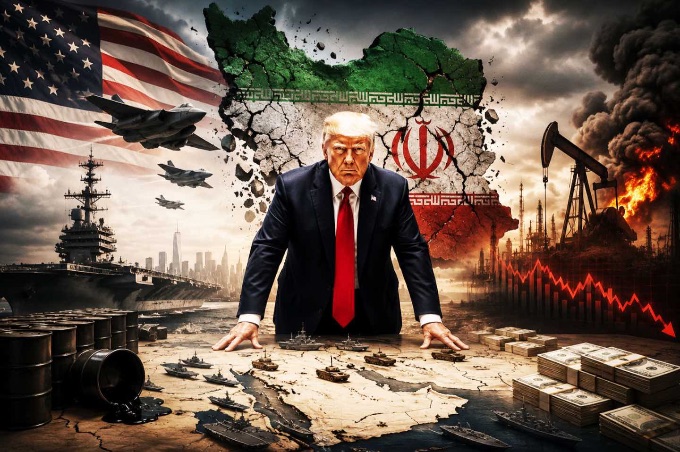
This week, Trump announced the "most destructive economic operation ever carried out" and put Treasury Secretary Scott Bessent in charge of this task. "We are going to collapse this regime," the official stated.

The "Economic D-Day," as Trump likes to call this economic suffocation campaign, began to take shape in April, when he imposed a naval blockade on the Persian country and in the Strait of Hormuz. "There was a significant change in April when the president decided on the blockade," analyst Victoria Coates told Just The News.

"And Iran was not prepared for that. So they expected to continue exporting about 750,000 barrels [of oil] a day, continue receiving their critical imports, and that is really very important. Most people do not appreciate this because Iran has not invested anything in its own economy. They rely heavily on imports. We cut all that off, and so, slowly over the summer... we are just strangling them," Coates analyzed.
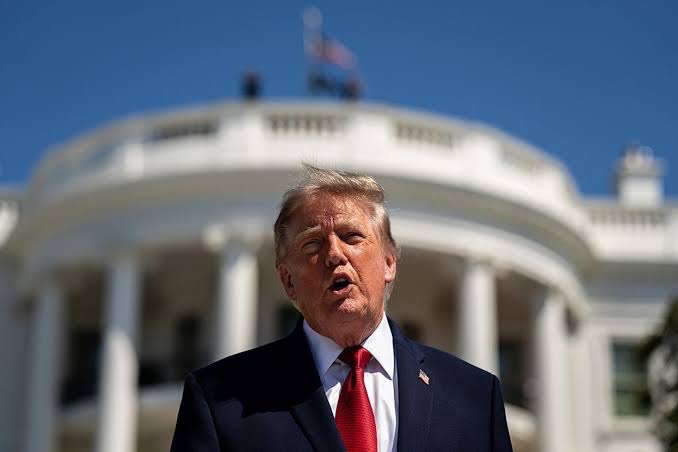
Trump's economic D-Day has arrived in Tehran

Just one day before the president's announcement, the United Arab Emirates announced that they would suspend all trade and financial transactions with Iran after the terrorist regime fired a missile at one of their ships.
In June, the U.S. Treasury sanctioned Ali Ansari, the personal banker of the new Supreme Leader Mojtaba Khamenei, an Iranian citizen living in Dubai who has used his connections with the Iranian regime to embezzle government funds and accumulate "a global network of investment properties and financial holdings."

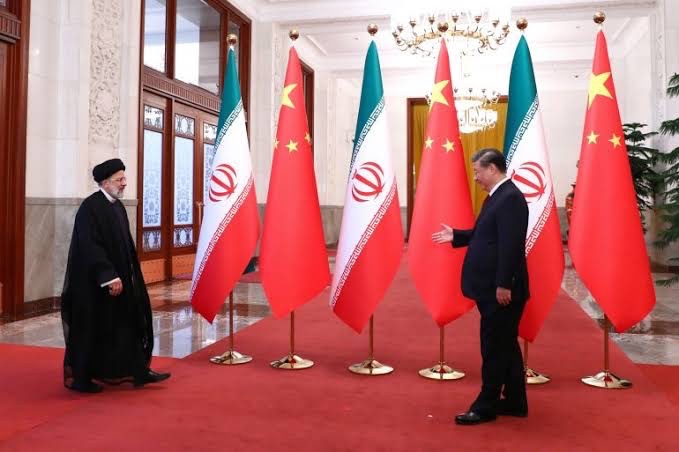
China, which receives most of its oil from Iran and whose banks help the regime evade sanctions, would also face actions from Washington if it does not catch up and support the economic blockade. Xi Jinping's communist regime has also sold Tehran the technology and supplies needed to build its arsenal of attack drones and missiles.

The Iranian economy suffers from high inflation, rampant unemployment, and a decline in agricultural production after years of drought, three factors that brought the Islamic Republic to the brink of political collapse last February, and only a violent crackdown ended the wave of protests.

Beijing needs to start pressuring its allied regime, Bessent said.