The Democratic governor of California, Gavin Newsom, signed a new law on Wednesday that expands the state's powers to pursue monopolistic behaviors of individual companies, a measure presented by Democrats as a way to protect competition, but questioned by business organizations that warn of higher costs and greater legal uncertainty.
The ''AB 1776'', known as the ''COMPETE Act'', modifies the ''Cartwright Act'', California's main antitrust legislation. Until now, this regulation primarily focused on agreements between two or more companies to fix prices, limit production, or other practices aimed at restricting trade.
With the new law, which will take effect on January 1, 2027, only the attorney general of California or district attorneys will be able to initiate actions against an individual company for monopolistic behavior. Individuals will not be able to file such lawsuits.
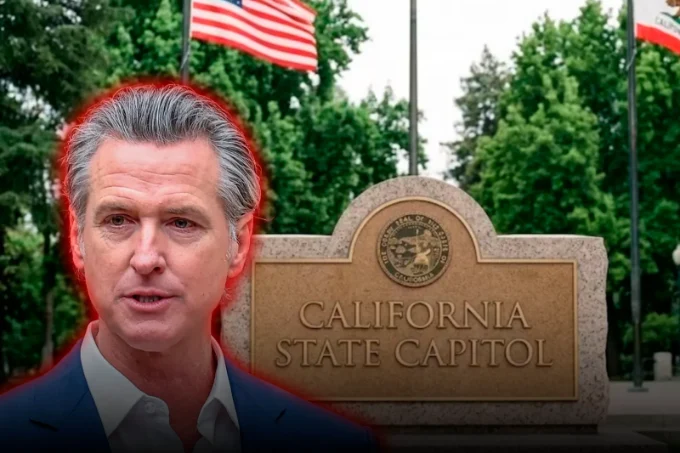
Democrat Gavin Newsom expanded the state's powers to enforce antitrust laws and generated criticism from the business sector
To succeed, prosecutors must demonstrate that the company possesses a ''substantial market power''. At the same time, the legislation establishes that a company can legally obtain and maintain a dominant position when it is a result of the superiority of its products, services, or business capacity.
The regulation also establishes an exception for small businesses. Independent companies based in California with 100 employees or fewer and an average annual revenue of up to USD 10 million are exempt from its scope.
Newsom defended the legislation as part of an effort to facilitate small business activity and limit practices that, according to his administration, may exclude entrepreneurs from the market.
''California did not become the fourth largest economy in the world by chance,'' said the governor, who attributed part of the state's growth to innovators and entrepreneurs who started small businesses. Newsom stated that the new legislation aims to ''level the playing field'', reduce regulatory hurdles, and protect competition.
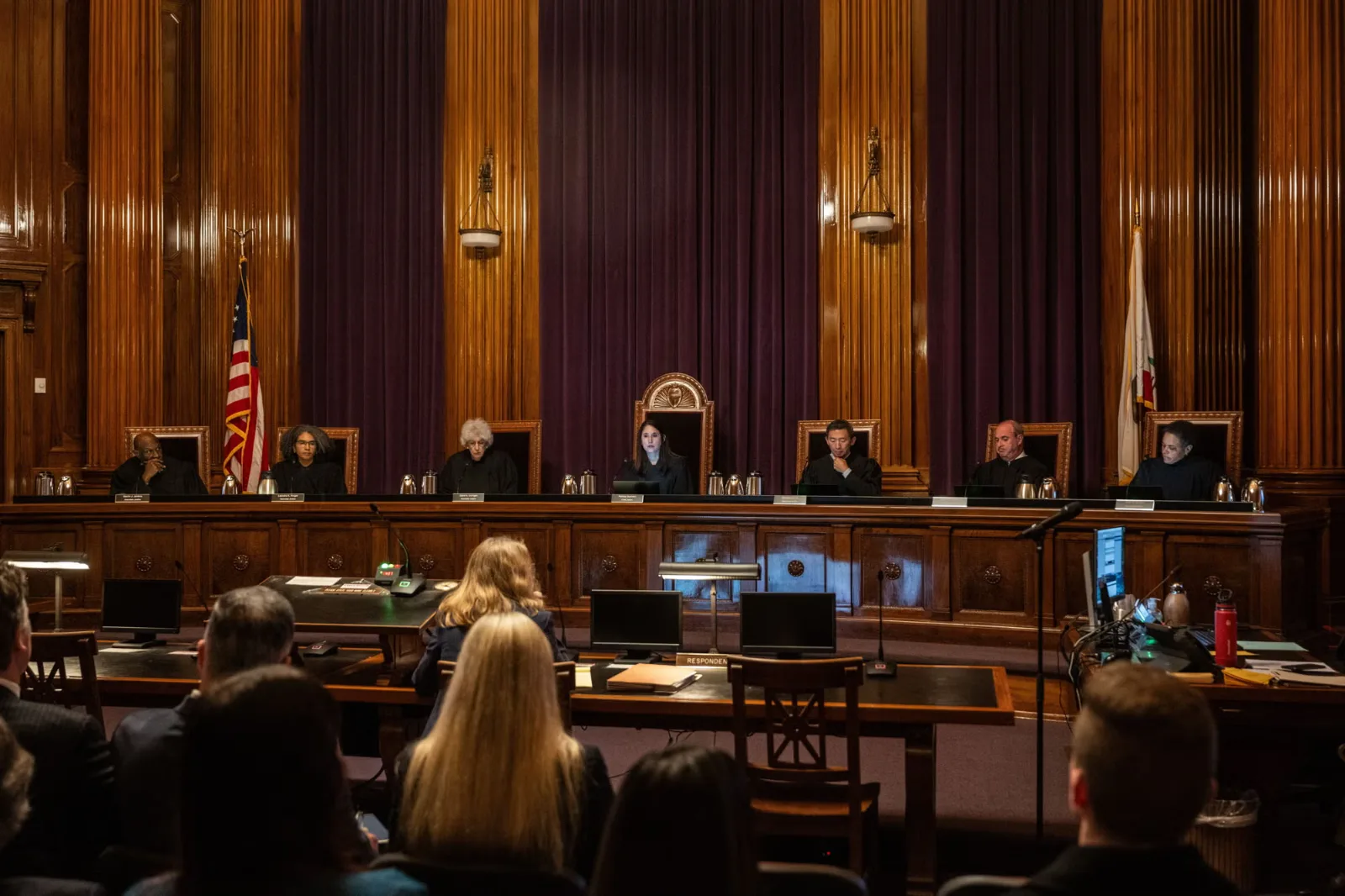
The California Attorney General and district attorneys will be the only ones authorized to initiate actions for monopolistic conduct
The author of the bill, the Democratic majority leader in the Assembly, Cecilia Aguiar-Curry, argued that the measure will allow the State to intervene when a company stops competing fairly and can raise prices without competition-related controls.
However, the California Chamber of Commerce maintains its opposition to the law. The business group stated that the ''AB 1776'' is incompatible with federal antitrust legislation and warned about its potential consequences for companies operating in the state.
The organization acknowledged that lawmakers removed several of the provisions it considered most harmful before passing the legislation. According to the Chamber, those clauses would have made many other business practices potentially illegal and could have led to a flood of lawsuits, the costs of which would ultimately be passed on to consumers.
The Chamber also noted that California has passed four new antitrust laws in the last two years and urged lawmakers to focus on other issues that hinder the state from being more affordable and prosperous.
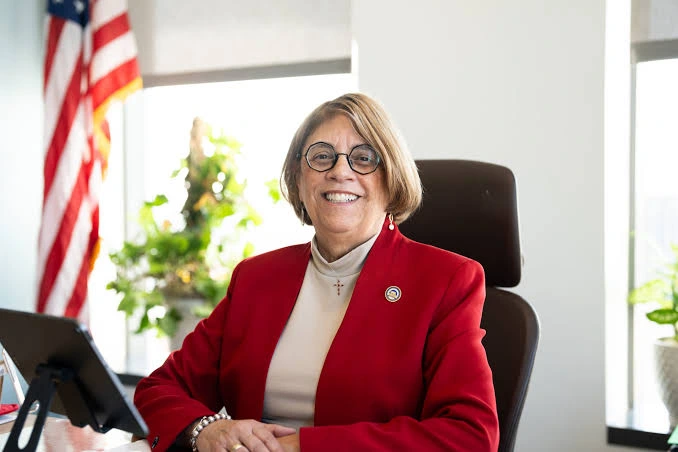
The Democratic leader of the California State Assembly was the driving force behind the bill that has sparked harsh criticism
Criticism also finds a precedent within Newsom's own administration. The California Department of Finance had opposed an August version of the bill and warned that allowing the State to sue individual companies could generate unknown, though potentially significant, costs for investigating and processing these cases.
The new law was approved as part of a package of measures aimed at small businesses. The set will also allow temporary businesses to be set up in vacant premises for up to 120 days, expedite certain permits for commercial buildings, and allow restaurants and bars to continue selling cocktails to go.