President Donald Trump announced on Wednesday a USD 200 billion package of South Korean investments aimed at energy and infrastructure projects in the United States, an initiative that the White House presented as an important step to expand the country's energy capacity, attract foreign capital, and strengthen the strategic alliance with Seoul.
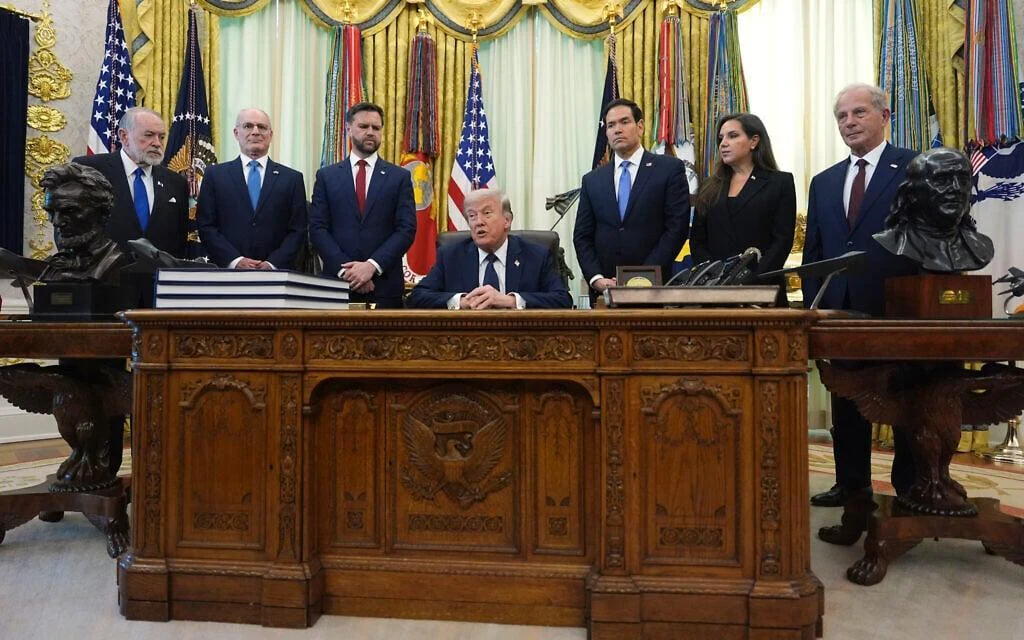
The announcement was made during a ceremony in the Oval Office, where Trump emphasized that the projects are part of the USD 350 billion investment commitment agreed upon with South Korea as part of a trade agreement that allowed for a reduction of U.S. tariffs on South Korean products from 25% to 15%.
''The colossal investment package we announced today is an important step to secure our critical energy supply chain, ensure U.S. energy dominance, and make our partnership with South Korea and the entire Pacific region stronger than ever,'' Trump stated.
U.S. President Donald Trump announced a multibillion-dollar package of South Korean investments in the energy sector
The president defended the outcome of the negotiations as part of his strategy to use U.S. trade policy to attract investments to domestic territory. ''We make great deals. That's what we do,'' he asserted during the event.
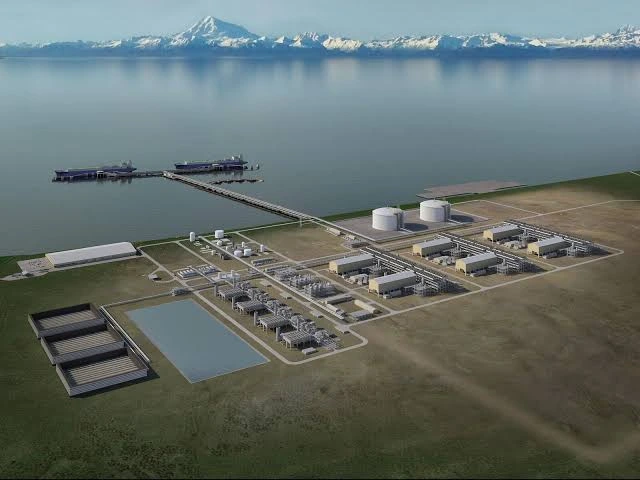
One of the central projects is an initiative for liquefied natural gas (LNG) in Alaska, which involves an investment of approximately USD 54 billion. The project includes the construction of a 1,300-kilometer pipeline from the northern slope of the state to a terminal located in the Nikiski area on the southern coast.
According to estimates presented by Trump, the construction of the pipeline would take about three years, while the first LNG exports could begin approximately five years later. Once completed, the system would have the capacity to transport nearly 4 billion cubic feet of gas daily and produce around 20 million metric tons of LNG per year.
One of the main projects is aimed at a liquefied natural gas pipeline in Alaska
Trump described the project as one of the largest energy developments in U.S. history and highlighted its potential impact on Alaska's economy. The initiative could generate about 12,000 jobs during construction and approximately 1,000 permanent positions to operate the facilities.
Republican Senator from Alaska, Dan Sullivan, supported the project during the ceremony and described it as a fundamental initiative for the state's economic future.
The package also includes a significant expansion of electricity generation. In Encinal, Texas, the construction of a natural gas-powered plant is planned with an investment of USD 22.3 billion. The electricity generated will be used, among other purposes, to meet the growing demand for data centers and facilities related to semiconductor manufacturing.
The first phase of the complex is scheduled for 2029 and would have a generation capacity of 1.4 gigawatts, while the complete project would reach approximately 6.3 gigawatts by 2032. Trump described the facility as one of the largest of its kind in the world.
Alaska Republican Senator Dan Sullivan provided strong support for the energy project
The rest of the package is focused on the nuclear sector. An investment of about USD 120 billion for eight nuclear plants located in Kentucky, Ohio, South Carolina, and Tennessee is anticipated. Although several details are still in the negotiation phase, Trump stated that the new reactors would significantly expand U.S. nuclear capacity.
The administration argues that the energy expansion responds to the rapid growth in electricity demand, especially due to the construction of data centers and the development of artificial intelligence technologies. The new projects also aim to reduce pressure on existing power grids and increase energy availability for strategic industries.
Commerce Secretary Howard Lutnick stated that the agreement could have broader implications for the international position of the United States. According to Lutnick, the increase in U.S. exports of gas and other energy resources could alter Washington's economic relations with Southeast Asian countries.
The announcement thus reinforces one of the main economic objectives of the Trump administration: to expand domestic energy production, attract foreign investments, and use trade agreements to boost projects within the United States. For the White House, South Korea's participation in these developments also represents a deepening of economic and strategic cooperation between the two countries.
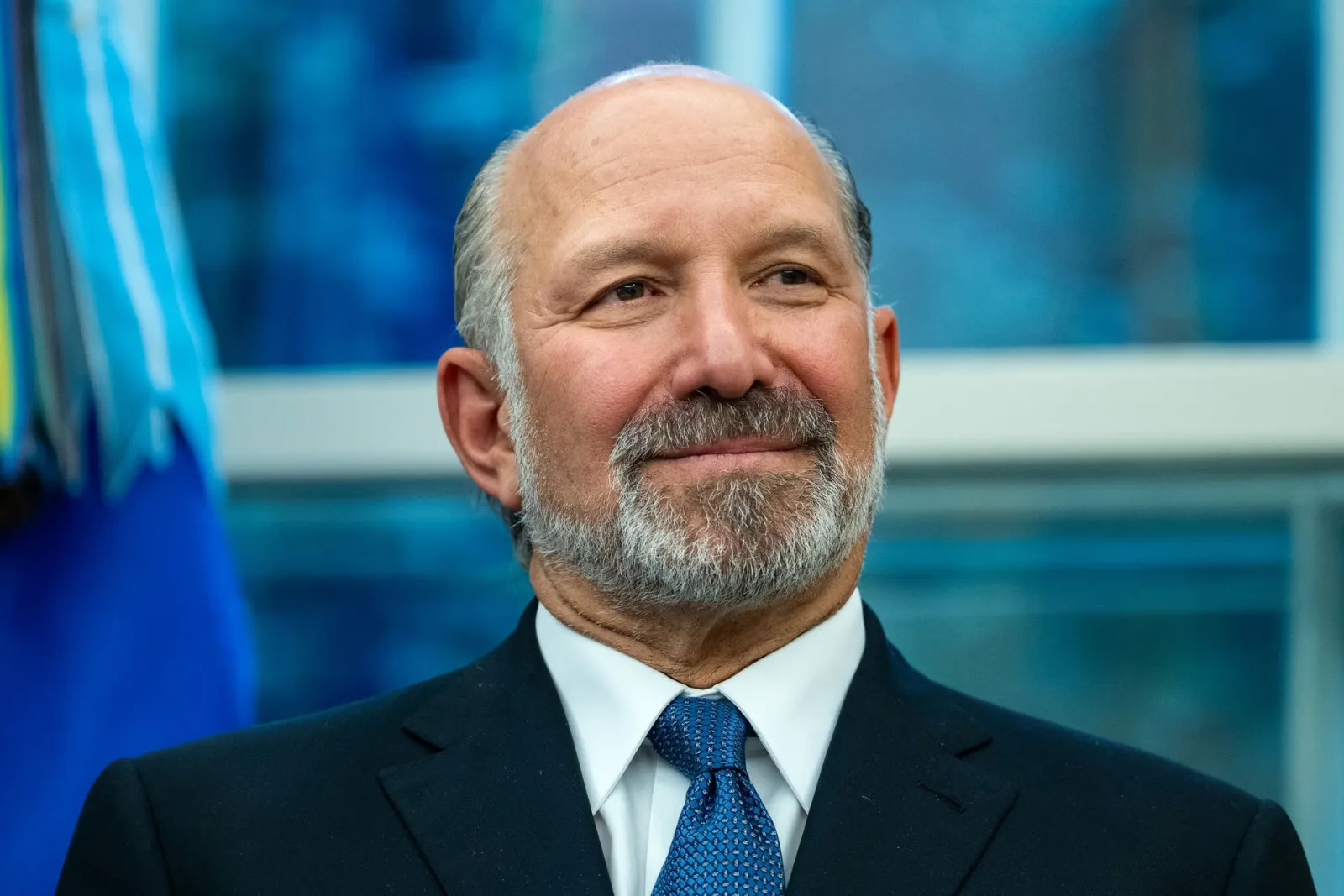
The U.S. Secretary of Commerce stated that the agreement could modify trade relations with Southeast Asian countries