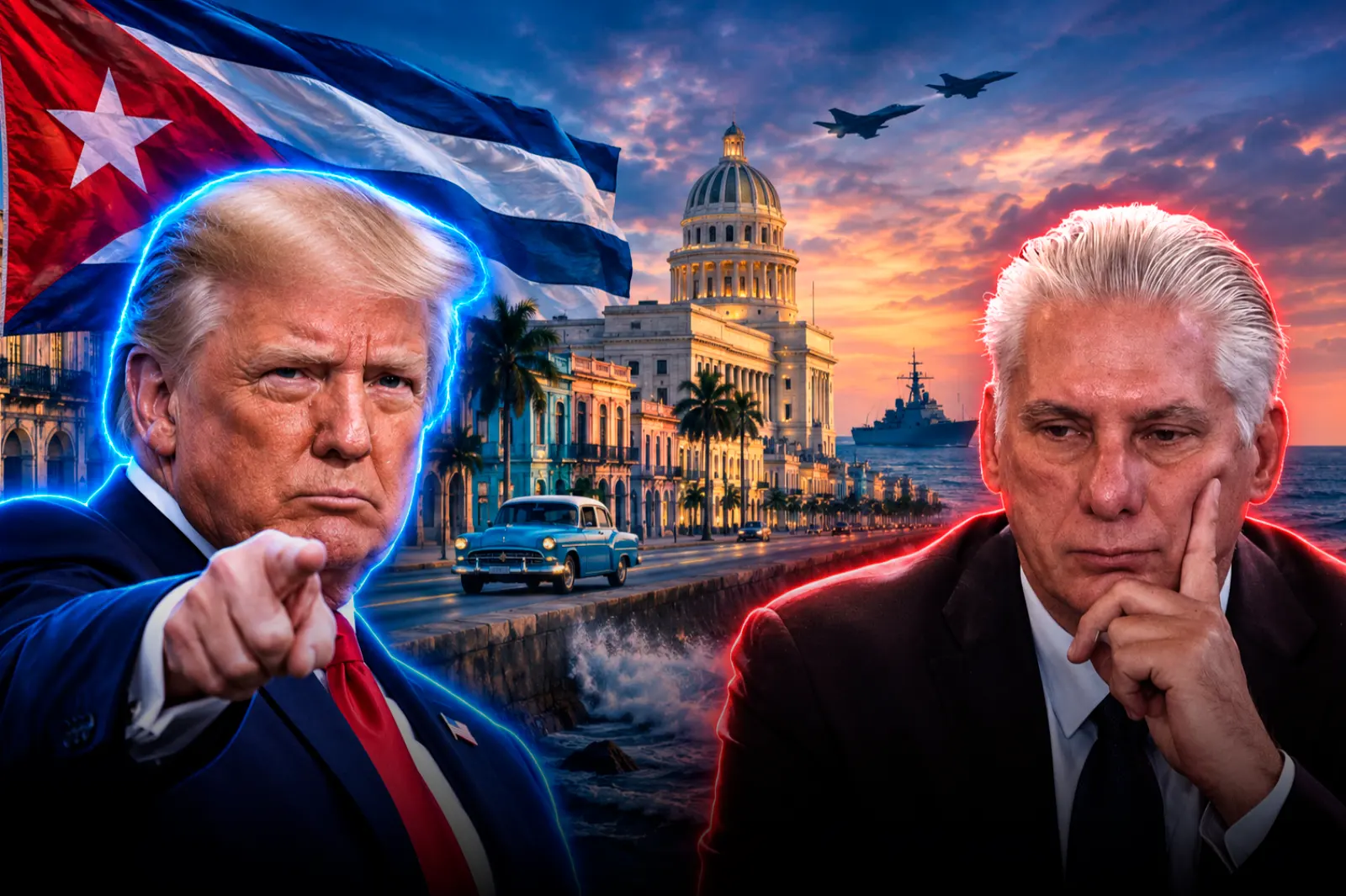
President Donald Trump stated that he intends to end the Cuban communist regime before leaving the White House in January 2029 and affirmed that he would consider using military force if necessary. His statements reflect the hardening of Washington's strategy against Havana, in a context of deep economic and energy crisis for the island.
During an interview, Trump expressed that he wants to resolve the situation in Cuba before his term ends and left open the possibility of a limited military intervention to achieve that goal.
''I want to finish with Cuba before I leave,'' the president said when asked about his foreign policy priorities. Trump maintained that his administration is closely monitoring the situation on the island and described the country as a practically failed state.
''We are watching it very closely. It is functioning very poorly. It is essentially a place, a nation, whatever you want to call it, that has failed. It has failed and we are keeping an eye on it,'' he noted.
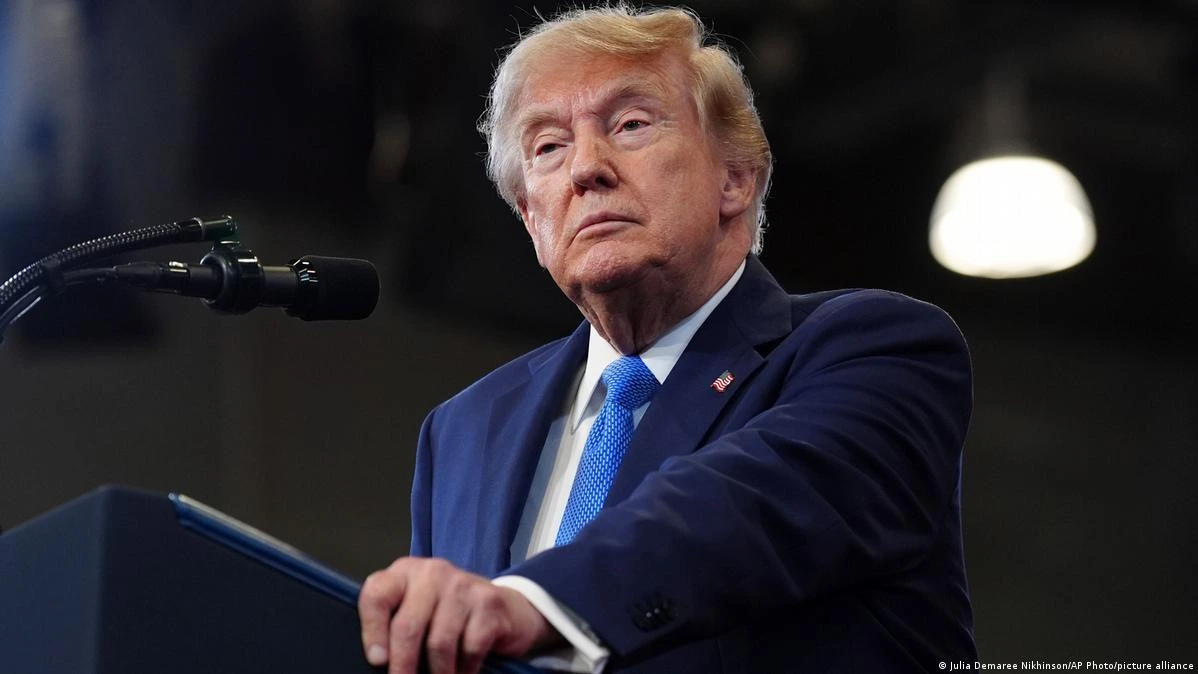
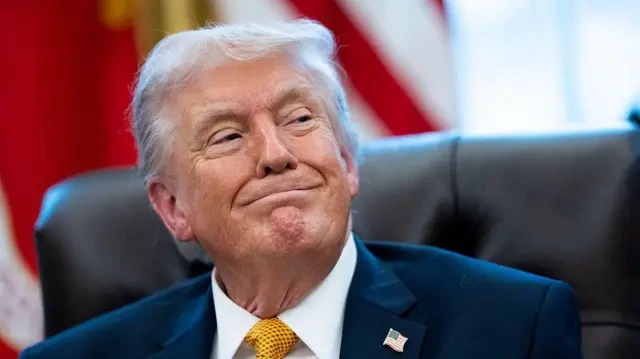
President Donald Trump assured that he plans to liberate Cuba from the communist regime before the end of his term in 2029
When specifically asked if he would be willing to use some military force against the regime, even through a campaign of approximately one week, Trump responded affirmatively.
''I would certainly consider it, yes,'' he stated.
Although the president did not announce any operation or present a concrete timeline for possible military actions, his statements constitute one of the most direct warnings from his administration to the Cuban government. They also make it clear that Washington does not rule out any alternatives while seeking to change the political landscape of the island.
Trump took the opportunity during the interview to highlight the role of his Secretary of State, Marco Rubio, whose parents are of Cuban origin. The president described the official as a ''talented'' man and noted that he has a particular interest in promoting change in Cuba.
''His parents are from Cuba, as you probably know, and he would love to do it,'' Trump commented, referring to the possibility of ending the current political system on the island.
Rubio, one of the staunchest figures in U.S. politics against communist governments in Latin America, has defended a strategy of pressure on Havana for years and has questioned the legitimacy of the Cuban regime.
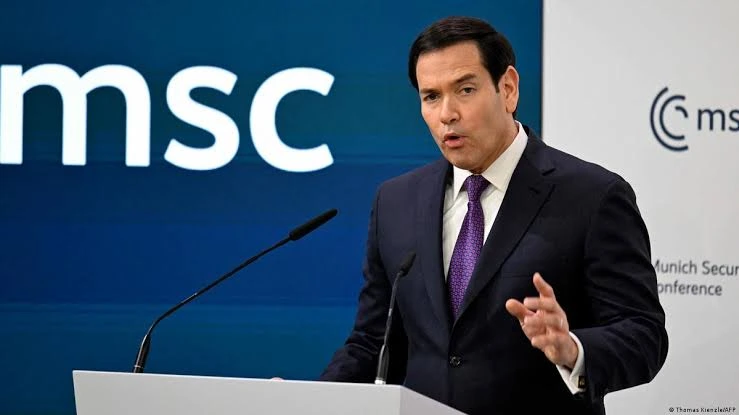
The US president praised the Secretary of State, Marco Rubio, who plays a central role in foreign policy related to Latin America
Washington's economic pressure and the Cuban crisis
Since his return to the White House in January 2025, Trump has reinstated the maximum pressure policy against Cuba, reversing part of the diplomatic rapprochement approach promoted during previous administrations.
The strategy aims to weaken the funding sources of the Cuban regime, limit its commercial operations, and increase the cost of maintaining a political system that Washington considers responsible for decades of repression, restrictions on individual freedoms, and economic deterioration.
One of the most significant blows to Havana came after the U.S. military operation in Venezuela, which culminated on January 3 with the capture and ousting of the then leader of the Venezuelan dictatorship, Nicolás Maduro.
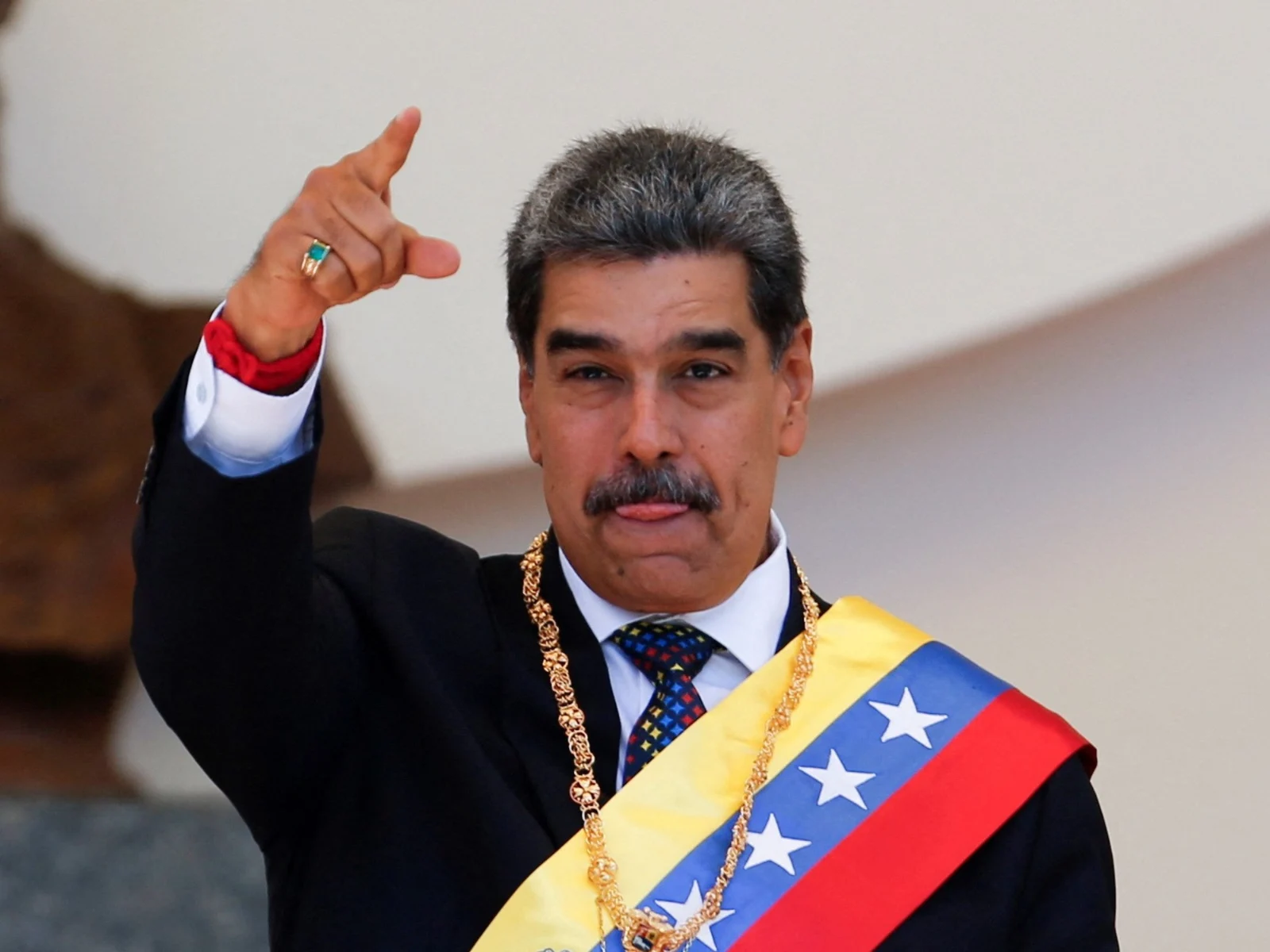
The Cuban regime lost a great ally when a U.S. military operation captured Venezuelan dictator Nicolás Maduro.
After that operation, Washington restricted oil shipments to Cuba, directly affecting one of the main mechanisms of economic survival for the island. For years, Venezuela had provided subsidized crude oil that allowed the Cuban dictatorship to sustain part of its energy system and compensate for its limited internal production capacity.
The interruption of that supply eliminated one of Havana's main sources of external support and contributed to deepening a crisis characterized by blackouts, fuel shortages, difficulties in maintaining public services, and a general deterioration of living conditions.
The Trump administration also expanded sanctions against state-owned companies, government agencies, and high-ranking Cuban officials, seeking to restrict the economic resources that sustain the state apparatus.
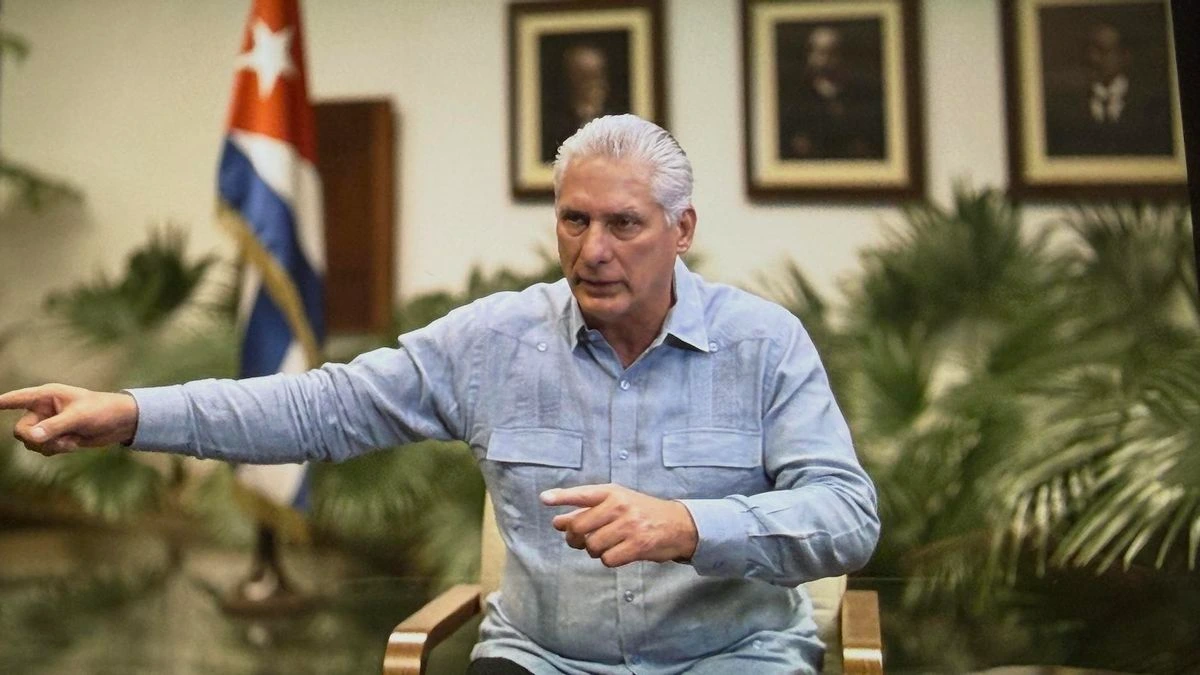
The Trump administration increased sanctions against the Díaz Canel regime and several of its officials
A new front of pressure against the regime
Another significant escalation occurred on May 20, when former Cuban president Raúl Castro was formally charged in the United States with charges related to murders. The measure represented one of the most important judicial events in the bilateral confrontation since the Cold War.
For Washington, the goal is to take advantage of the regime's growing fragility and prevent its leaders from finding new allies capable of financially supporting the government.
Trump's statements suggest that his administration believes there is an opportunity to drive historic change in Cuba over the next few years. The president did not specify how he intends to achieve that goal, but made it clear that he is not willing to limit his strategy exclusively to sanctions.
With January 2029 as the deadline of his term, Trump seeks to make the Cuban issue one of the main objectives of his policy towards Latin America. The possibility that the United States adopts additional measures increases the pressure on Havana, which is facing one of its most challenging phases in decades.
Donald Trump set out to carry out a historic change and did not rule out resorting to military action