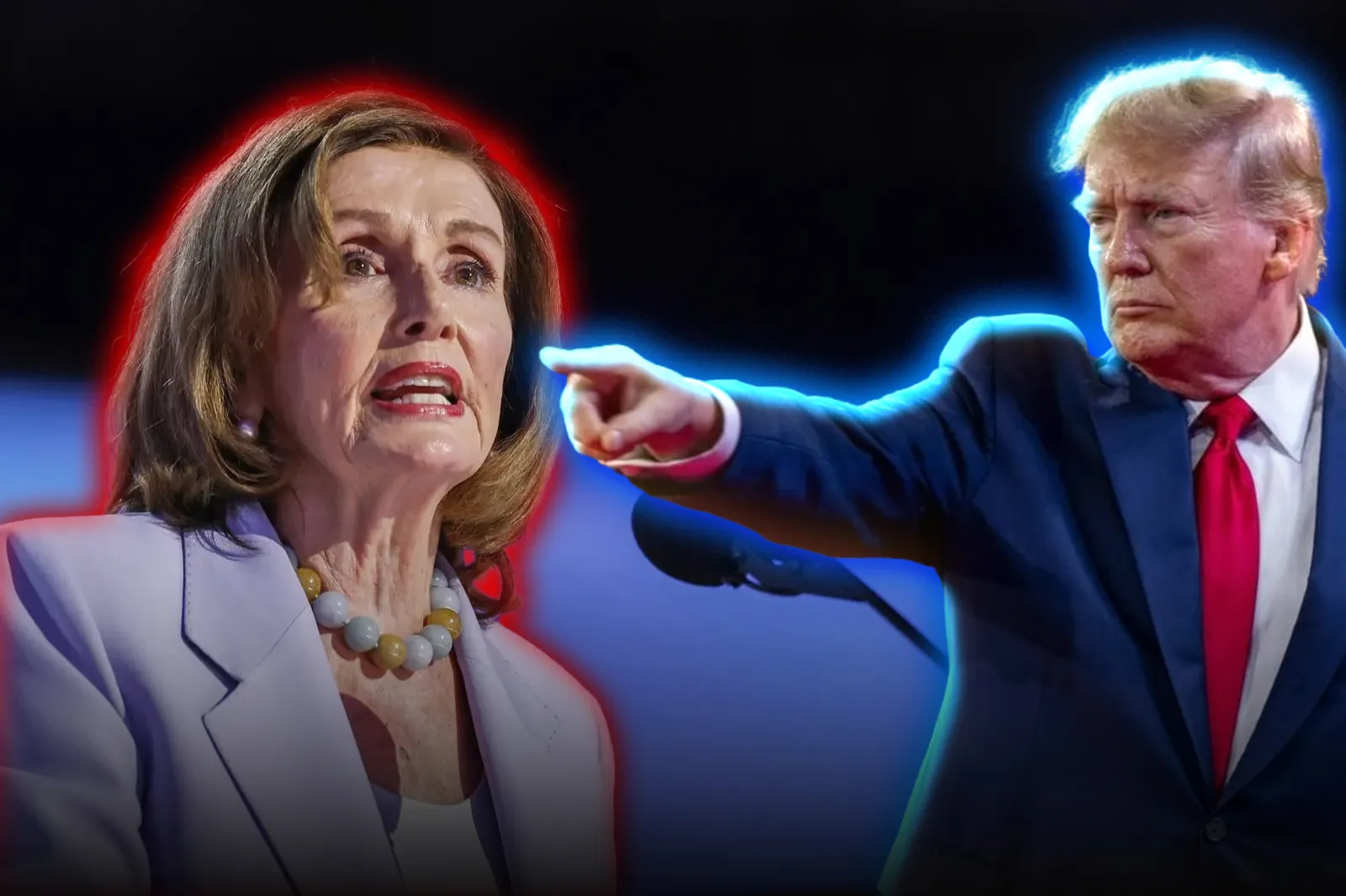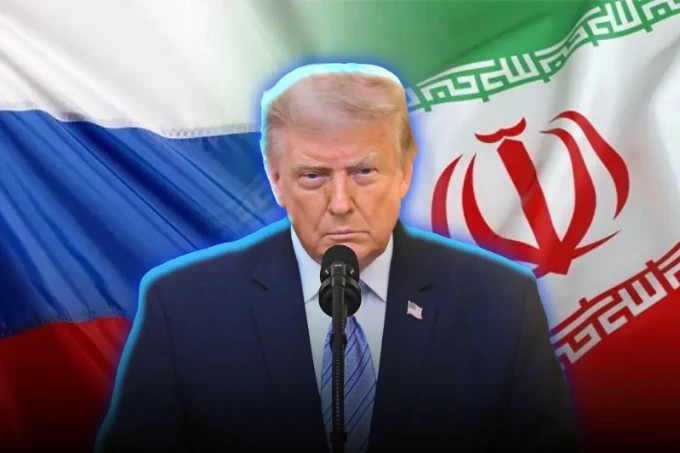

The President of the United States, Donald Trump, stated this Wednesday that Iran is still not ready to reach a nuclear agreement, as the Tehran regime often changes its conditions after making progress towards an understanding. The president's statements reflect Washington's stance of maintaining pressure on the Iranian government while hostilities and U.S. military operations in the Middle East continue.
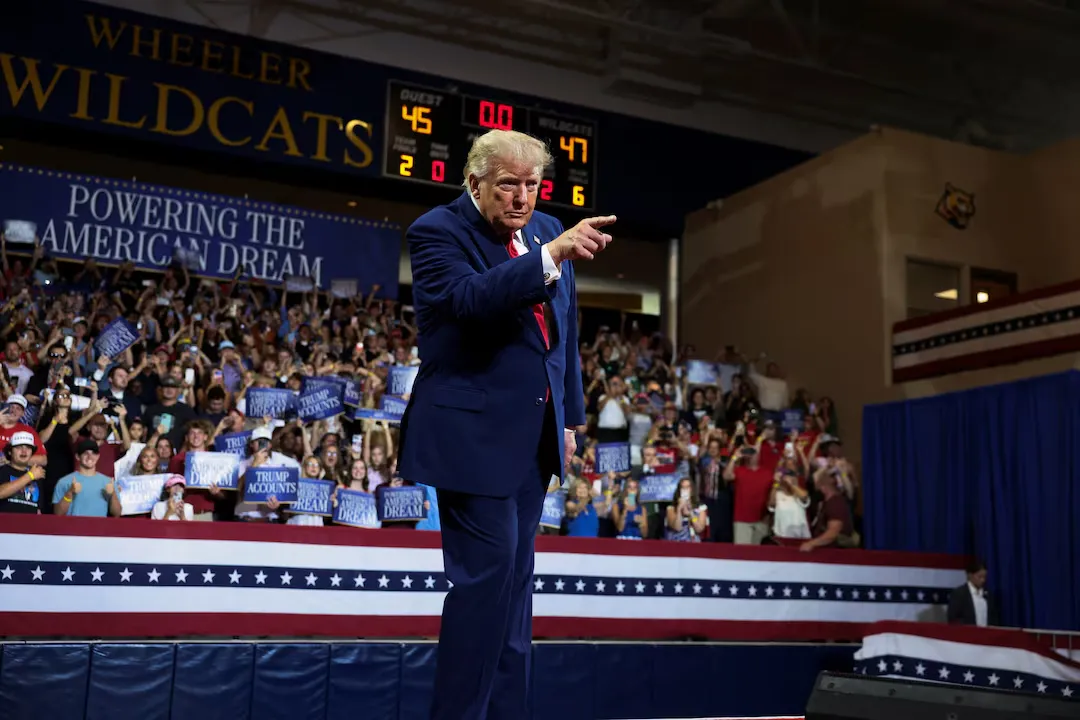
During an event in Georgia, Trump asserted that Iran is interested in negotiating as a result of the pressure it is facing, but questioned whether the regime currently has the necessary will to reach a definitive agreement. The U.S. president made it clear that any negotiation must stem from a change in Tehran's attitude and a commitment that cannot be altered later by Iranian authorities.
''They are being hit very hard and want to reach an agreement. But I say they are not ready to make a deal because every time they make one, they want to change it and all that. They are not ready. They will be ready very soon,'' said Donald Trump.
The president's position points to a strategy of maximum pressure aimed at forcing the Iranian regime to accept firmer conditions before moving towards a potential pact. From this perspective, Trump seeks to avoid agreements that could be modified later by Tehran and aims to ensure that any commitment related to the Iranian nuclear program is verifiable and lasting.
The statements came after Trump participated in a military ceremony at Dover Air Force Base in Delaware, where he received the remains of four U.S. soldiers recently killed in attacks attributed to Iran in Jordan and Iraq. Before the tribute, the president had warned that Tehran will face serious consequences for the deaths of U.S. military personnel.
''They will pay a very high price,'' Donald Trump assured when referring to the attacks against U.S. troops deployed in the region.
The president's message came amid escalating tensions between Washington and Tehran, following the breakdown of a previously reached ceasefire. The agreement sought to stop military operations and create conditions to resume talks on the Iranian nuclear program, as well as contribute to ensuring commercial navigation through the Strait of Hormuz.
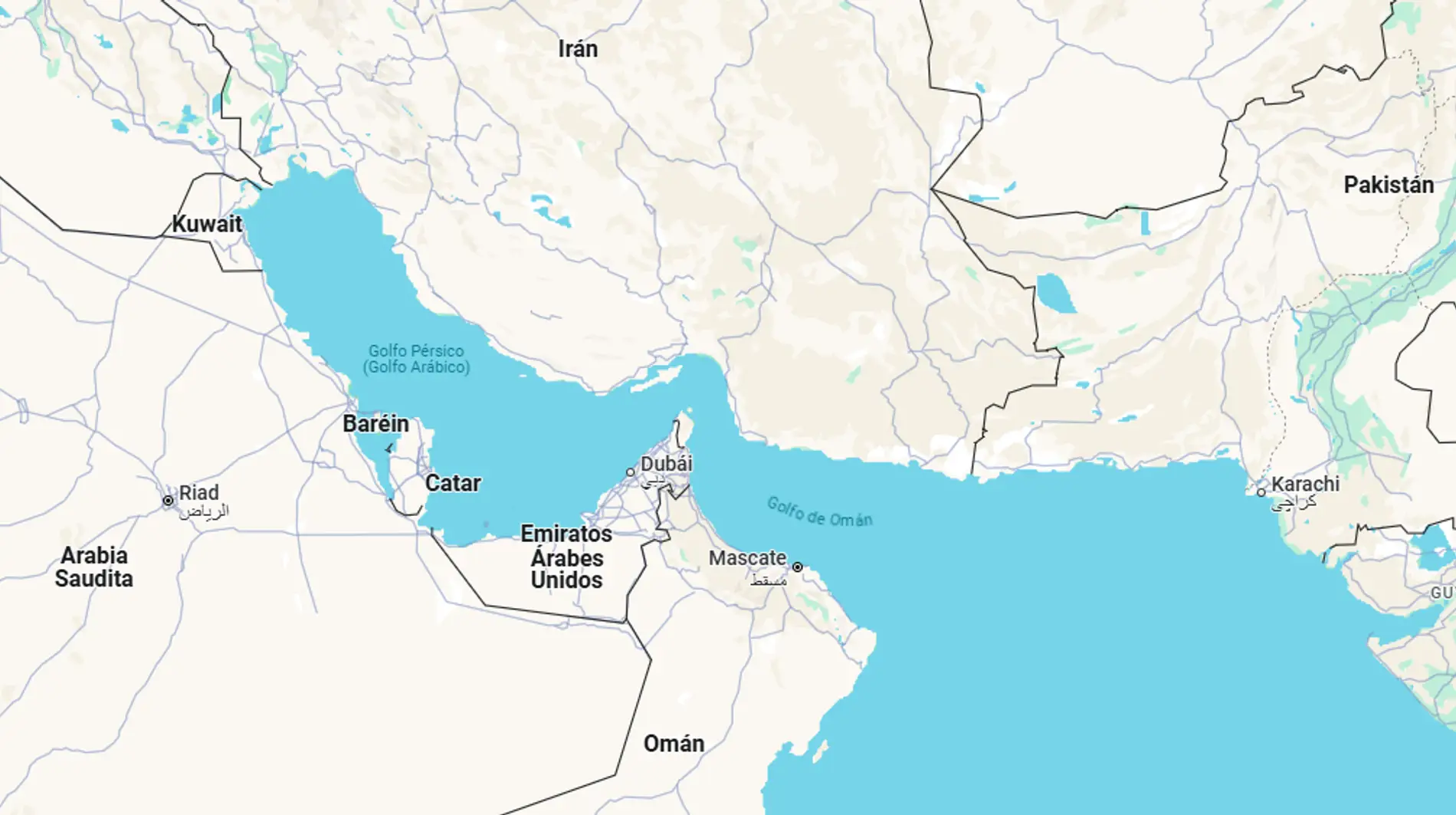
Trump maintains that military and economic pressure is necessary to prevent Iran from using negotiations to buy time or alter its commitments. His stance also aims to reinforce the security of U.S. troops and protect strategic maritime routes against threats from the Iranian regime.
Meanwhile, the U.S. Central Command (CENTCOM) reported that more than 900 commercial vessels have transited the Strait of Hormuz since early May with the support of U.S. forces deployed in the area.