Democrat Nathan Johnson called the legislation approved by Republicans unconstitutional and announced that his administration will not uphold the legal stance of his predecessor, Ken Paxton
The elected attorney general of Texas, Nathan Johnson, announced that he will not defend the state law requiring public schools to display the Ten Commandments in their classrooms, a decision that anticipates a significant change in the state's legal position regarding legislation pushed by Republicans and supported by the current attorney general, Ken Paxton.
Johnson, who became the first Democrat elected to the position in nearly three decades, described the law as unconstitutional during an interview. His statements mark a direct break from Paxton's legal strategy, who promoted the legislation and defended its enforcement in court.
''My legal opinion is that the law is unconstitutional,'' Johnson stated while explaining his position.
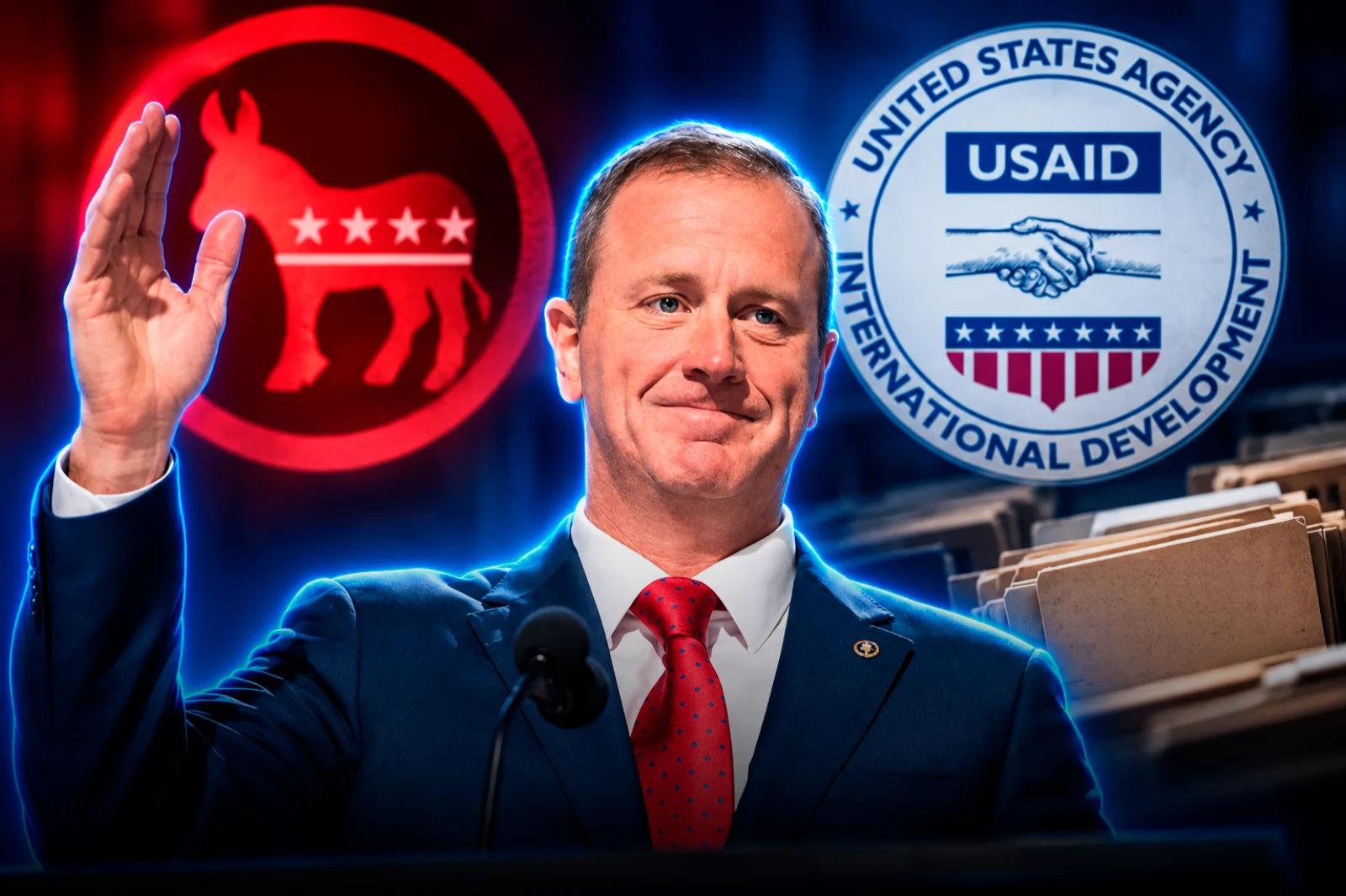
Democrat Nathan Johnson, the elected attorney general of Texas, refuses to implement the law that requires the presentation of the Ten Commandments in the state's classrooms
The elected official acknowledged that the final decision on the constitutionality of the legislation rests with the courts, but maintained that it will be his office responsible for establishing what the official position of the state will be during his term.
''The court will have the final word on what is constitutional and what is not, but I am the one who determines what the state's position is, and it will not be the same as the state has maintained previously,'' he added.
The legislation in question is Senate Bill 10 (SB 10), passed by the Republican-controlled Texas Legislature. The law requires that all public schools in the state and open enrollment charter schools display a ''visible and prominent'' copy of the Ten Commandments in each classroom.
Legislation passed by Texas requires classrooms in all public schools to present the Ten Commandments in a “visible and prominent” way
The measure has become one of the main points of contention among religious organizations, advocates for religious freedom, and groups that question the involvement of public institutions in matters related to religion.
Its supporters argue that the Ten Commandments represent a fundamental part of the historical, moral, and legal heritage of the United States. From that perspective, they believe that the biblical text is relevant in shaping the principles that contributed to the development of the American legal system.
In April, the Fifth Circuit Court of Appeals issued a ruling in favor of the legislation and determined that the requirement to display the commandments did not violate the Constitution. The decision represented an important victory for the proponents of the measure, who had defended its validity against judicial challenges.
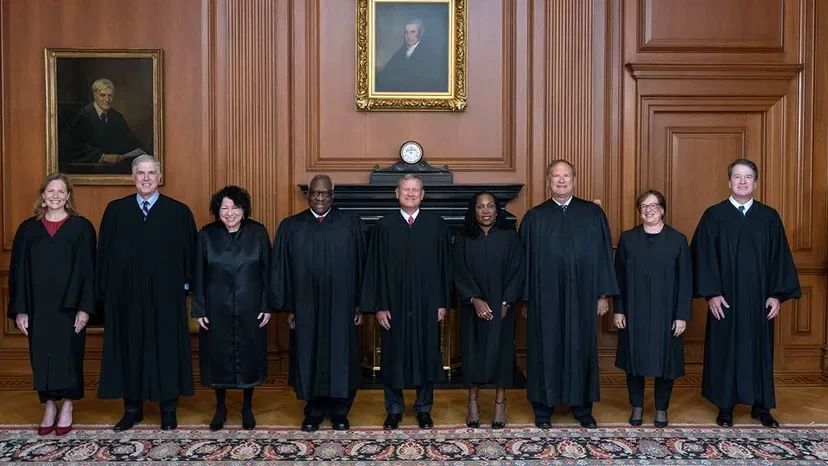
However, the conflict could still reach the Supreme Court. The justices must decide whether to accept the case and examine the arguments presented against the legislation. If the highest court declines to intervene, the Fifth Circuit's ruling supporting the law will remain in effect.
The conflict over the Democrat's refusal could reach the US Supreme Court
Johnson's stance has already begun to influence the outgoing administration's legal strategy. According to media reports, KenPaxton used the elected attorney general's statements as part of an argument presented to the Supreme Court earlier this month.
In that filing, attorneys from Paxton's office noted that the incoming administration might refuse to defend the legislation, which would deprive the justices of a balanced presentation of the opposing arguments if they decided to accept the case.
Paxton argued that the potential lack of opposition from Johnson's office could prevent the Court from adequately hearing the opposing legal positions on the constitutionality of the law. For that reason, he asked the justices to decline to review the litigation.
The Supreme Court's decision will have significant consequences for the future of the legislation. If the justices decline to intervene, the favorable ruling from the appeals court will remain in effect and the law will retain its judicial backing, at least at this stage.
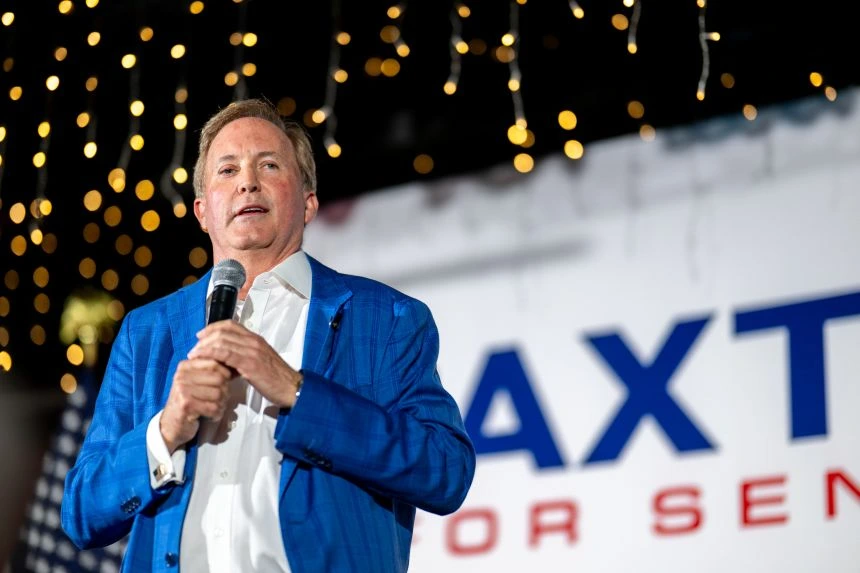
Ken Paxton, who will leave his position as attorney general in January, asked that they reject the review of the litigation
Johnson will take office in January when Paxton leaves his position. His electoral victory was part of a series of Democratic wins in Texas, which included favorable results in the federal Senate and gubernatorial elections.
The new attorney general's refusal to defend a law passed by the Republican majority in the legislature anticipates a political and legal confrontation from the outset of his administration. It also raises questions about how Texas will act in other litigation related to the Republican Party's legislative priorities.
The change in administration could substantially alter the state's defense of a law that has already received a favorable ruling in a federal appeals court, but whose ultimate future still depends on the decisions made by the highest court in the country.