The U.S. House of Representatives is preparing to vote next week on a bill that would expand sanctions against Russia and Iran and strengthen Washington's economic tools against governments deemed a threat to international security.
The House Rules Committee has scheduled a meeting for September 14 to consider the initiative called the ''Lindsey Graham Russia and Iran Sanctions Act of 2026'', a bill named after the late Republican senator Lindsey Graham, who for over a year pushed measures to increase economic pressure on Moscow.
The initiative was already approved by the Senate on August 7 with a wide majority of 86 votes to 11. The bill had been revised and renamed in honor of Graham on July 14, just days after his sudden death from an illness following his return from Ukraine.
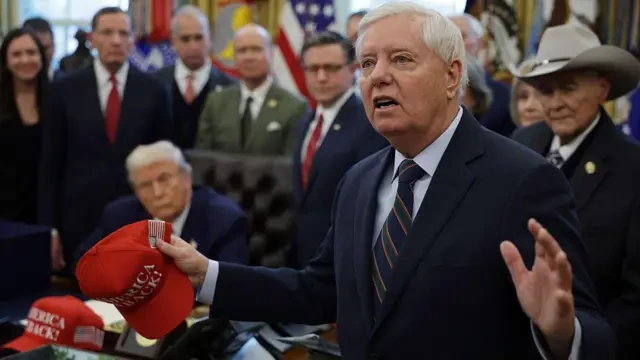
The bill that seeks to expand sanctions against Russia and Iran was pushed by the late Senator Lindsey Graham
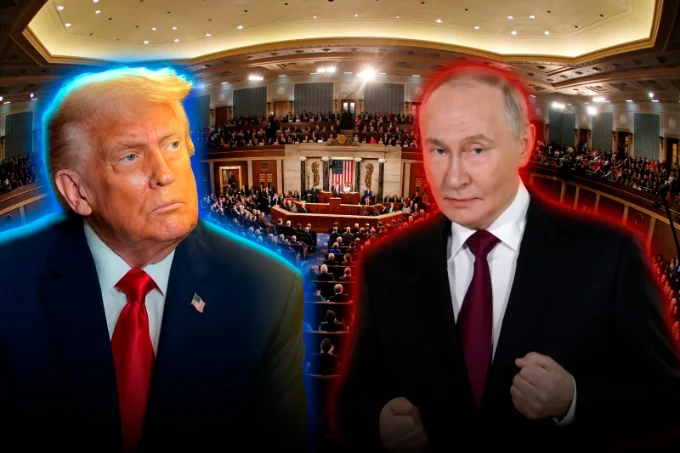
The legislation was originally focused exclusively on Russia, but later incorporated provisions aimed at increasing economic pressure on Iran. The changes were requested by President Donald Trump as the confrontation between Washington and Tehran continues.
One of the main components of the bill establishes new sanctions against the five countries that buy the most oil and gas from Russia. The goal is to limit the revenue Moscow earns from its energy exports and hinder the use of those resources to finance the war against Ukraine, which began in February 2022.
The initiative has the backing of Ukrainian President Volodymyr Zelenski, who urged the U.S. Congress to move forward with the bill. In a message published on September 11, he stated that Ukraine needs stronger sanctions to reduce Russia's ability to finance its military operations.
Zelenski also called for additional decisions from the Trump administration and expressed his expectation that the U.S. president would take personal measures to increase pressure on Moscow.
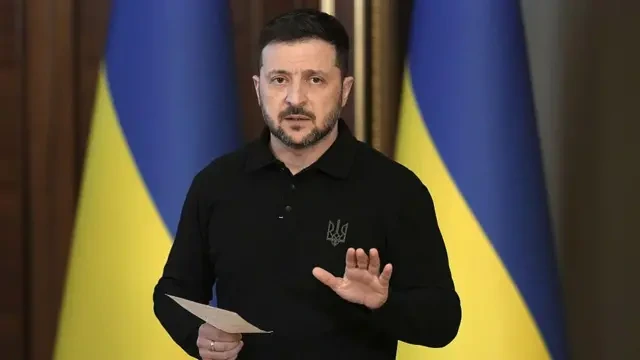
Zelensky urged the U.S. Congress to swiftly advance the bill against the Kremlin
Graham had led a bipartisan effort for months to secure the approval of new sanctions against Russia, while negotiating with the White House modifications to the text. His work continued to be a central reference for lawmakers supporting a policy of increased economic pressure on the Kremlin.
The bill, however, faces resistance among some Democrats in the House of Representatives. Congress members Gregory Meeks, Don Beyer, and Richard Neal stated that Democrats remain strongly committed to Ukraine but questioned the mechanism chosen to expand sanctions.
Lawmakers pointed out that the bill would grant the president greater powers to impose tariffs and warned that this tool could raise prices for American consumers. They also argued that the initiative does not sufficiently directly compel the imposition of the sanctions against Russia that they deem necessary.
Democrats critical of the bill argued that the president already has broad powers to sanction countries and entities that contribute to financing the Russian war machine. Therefore, they called for Trump to use those powers without waiting for new legislation from Congress.
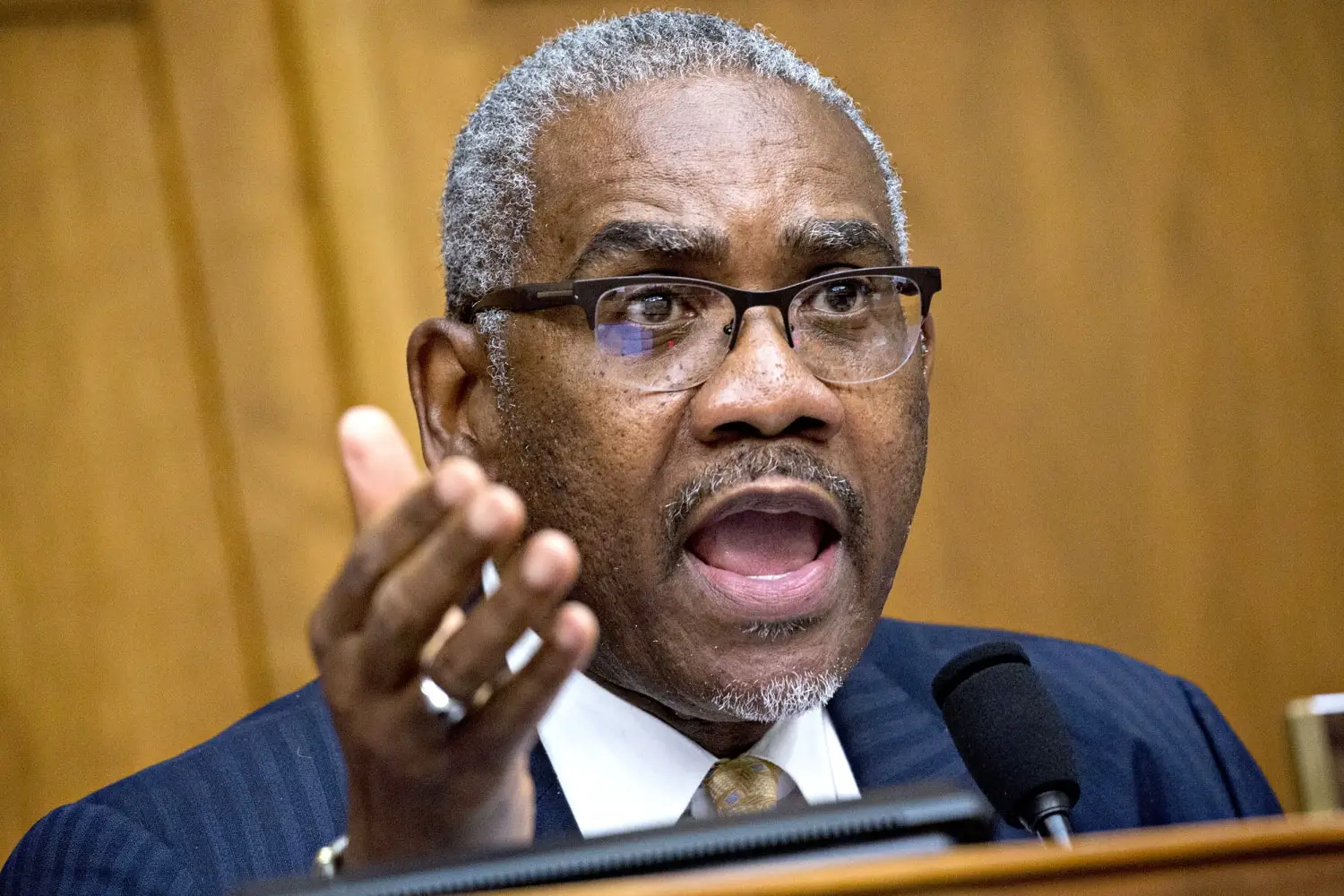
Some Democratic lawmakers were reluctant to approve the bill because it could give Trump the ability to raise tariffs
Despite internal differences in Washington, the proposal received significant international support. Estonia's Foreign Minister, Margus Tsahkna, expressed on September 11 his country's support for new sanctions against Russia and congratulated the U.S. Congress for its efforts to advance the legislation.
The vote in the House could become a new turning point in the U.S. strategy to economically pressure Moscow. By also incorporating measures against Iran, the bill reflects a policy aimed at using the financial, trade, and energy tools of the United States to limit the resources available to governments considered adversaries.
If the House approves the text, Congress will have taken an important step toward a new package of sanctions against Russia and a increase in economic pressure on Iran. The initiative would also test the ability of lawmakers from both parties to reach agreements on U.S. foreign policy and the role Washington should play in the Ukraine conflict.
The potential approval of the project sparked significant international support, both due to pressure against Russia and against Iran